


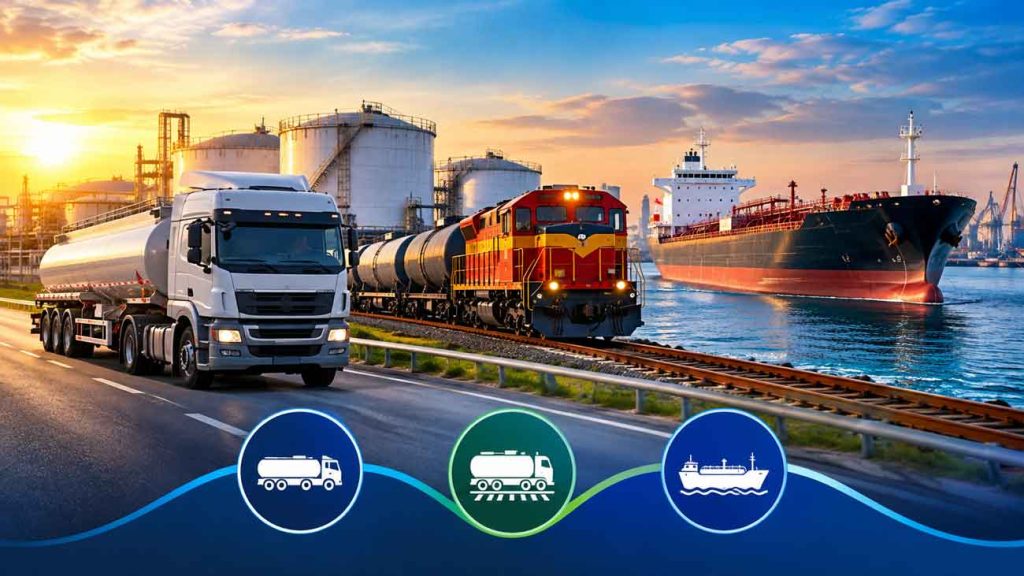
In the energy industry, no issue matters more than safety. A single small mistake in Petroleum Products Transportation can lead to irreversible consequences for human life, the environment, and physical assets. For this reason, safety is not a peripheral cost — it is the core of every successful Petroleum Products Transportation operation. In this article, we examine the most important dimensions of safety in this field and the practical measures used to reduce risk.
Why Safety Is Critical in Petroleum Products Transportation
Products such as diesel, gasoline, and LPG are classified globally as dangerous goods. The following characteristics make the risk level of Petroleum Products Transportation significantly higher than that of most other goods:
- High flammability and fire risk in the event of a leak
- Sensitivity to temperature and pressure changes during transit
- Environmental risk if product leaks into soil or water sources
- High energy density in a confined volume, turning any incident into a high-severity event
Core Pillars of Safety in Petroleum Products Transportation
1. A Standardized Fleet
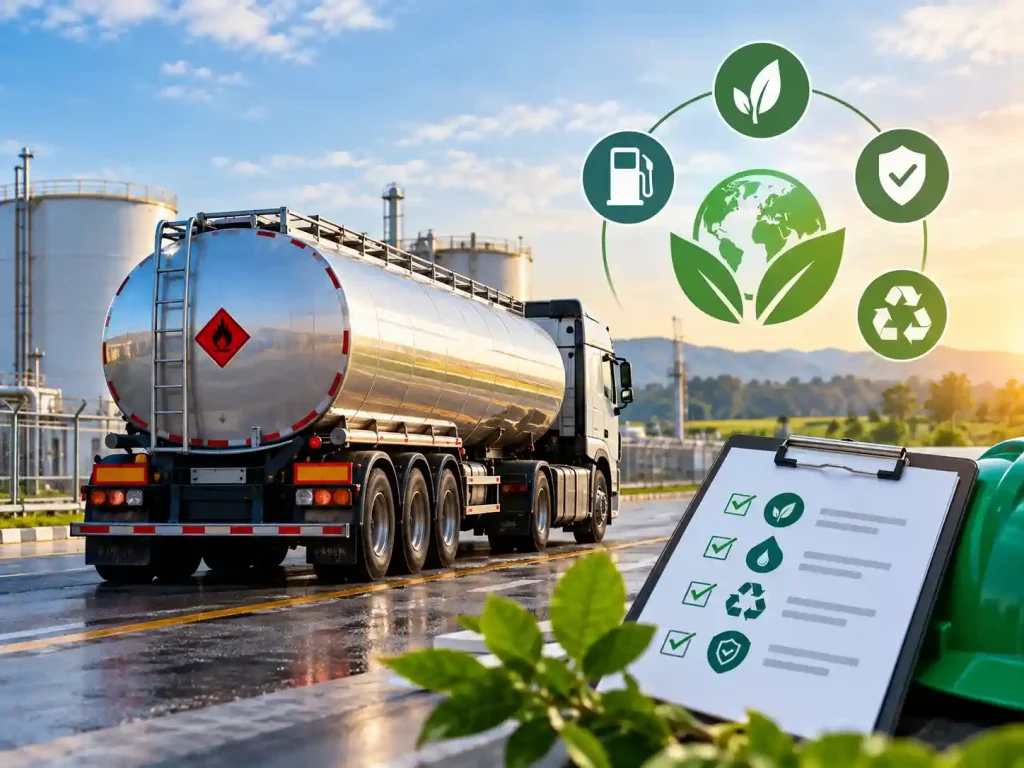
Every tanker used for Petroleum Products Transportation must be equipped with:
- An active, accessible fire suppression system
- Emergency shut-off valves for rapid response in critical situations
- A grounding system to prevent static electricity discharge
- Reinforced, impact-resistant tank walls meeting international standards
Regular inspection and calibration of this equipment is a basic prerequisite for safe operations. For more on fleet standards, see our article on Oil & Gas Logistics: The Backbone of the Energy Supply Chain.
2. Specialized Driver and Operator Training
People are the most critical link in the safety chain of Petroleum Products Transportation. Drivers and operators must:
- Complete specialized HSE and crisis-management training
- Be familiar with response protocols for leaks, fires, and road accidents
- Know how to correctly use both personal and vehicle safety equipment
3. Risk-Aware Route Planning
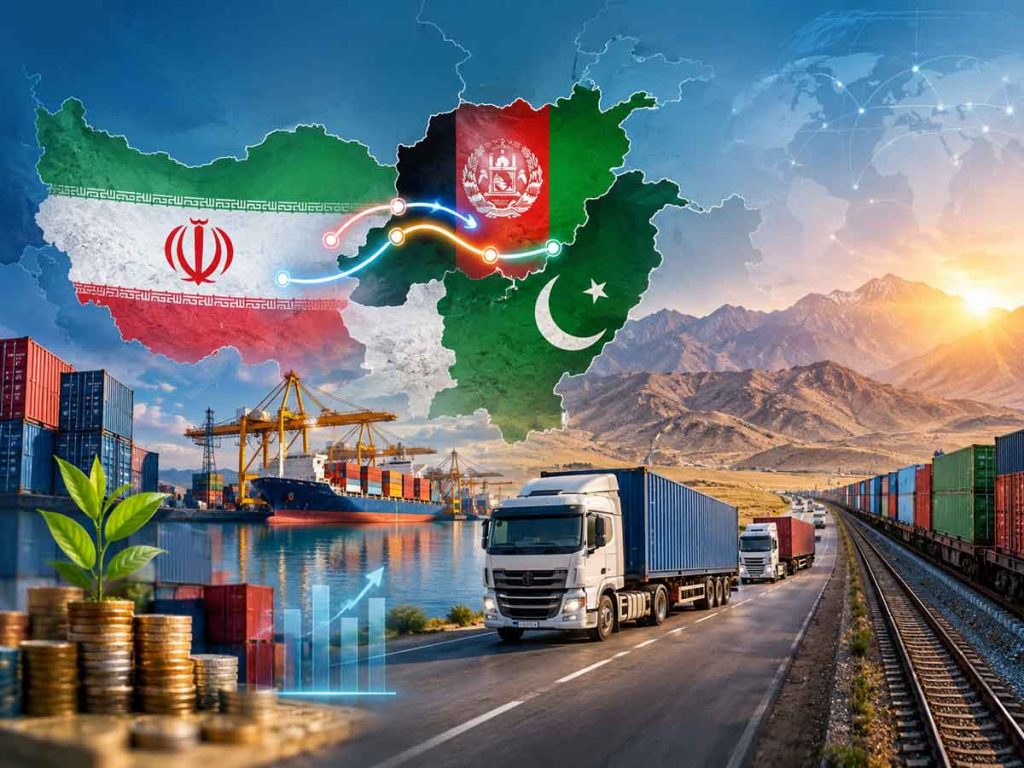
Route selection should never be based purely on the shortest distance. Factors such as population density, road conditions, high-risk zones, and distance from emergency services must all factor into the decision — especially on International Transportation corridors that cross several countries with different standards. Read more about these routes in International Transportation of Fuel.
4. Real-Time Cargo Monitoring
GPS tracking and real-time monitoring systems allow rapid detection of route deviations, unexpected stops, or sudden changes in cargo condition — significantly reducing response time to potential incidents.
Safety Considerations on Border Routes for Petroleum Products Transportation
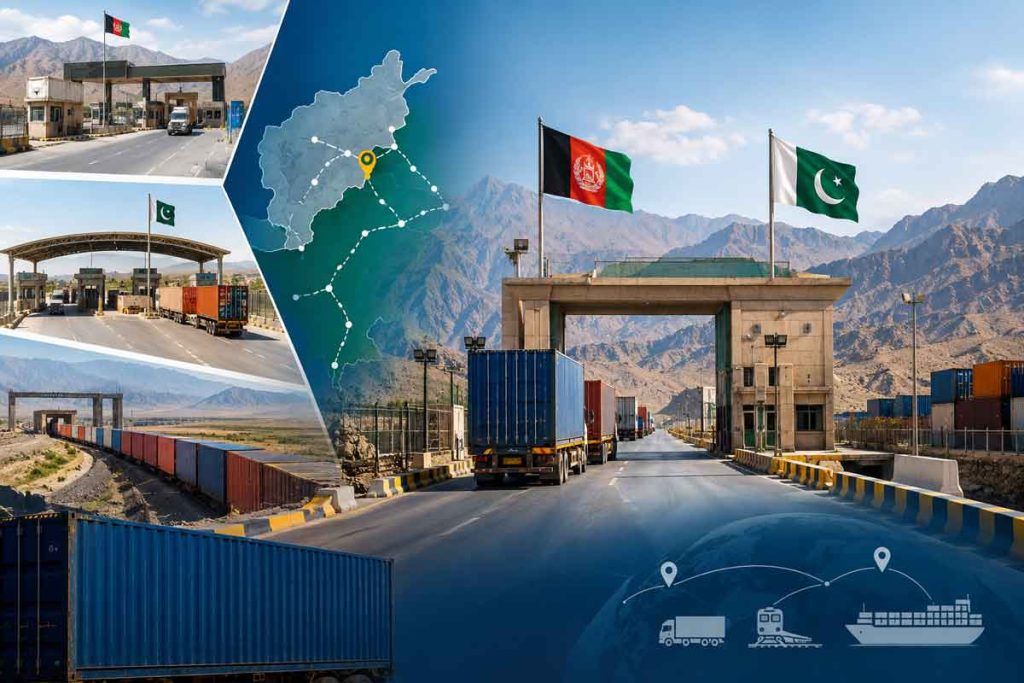
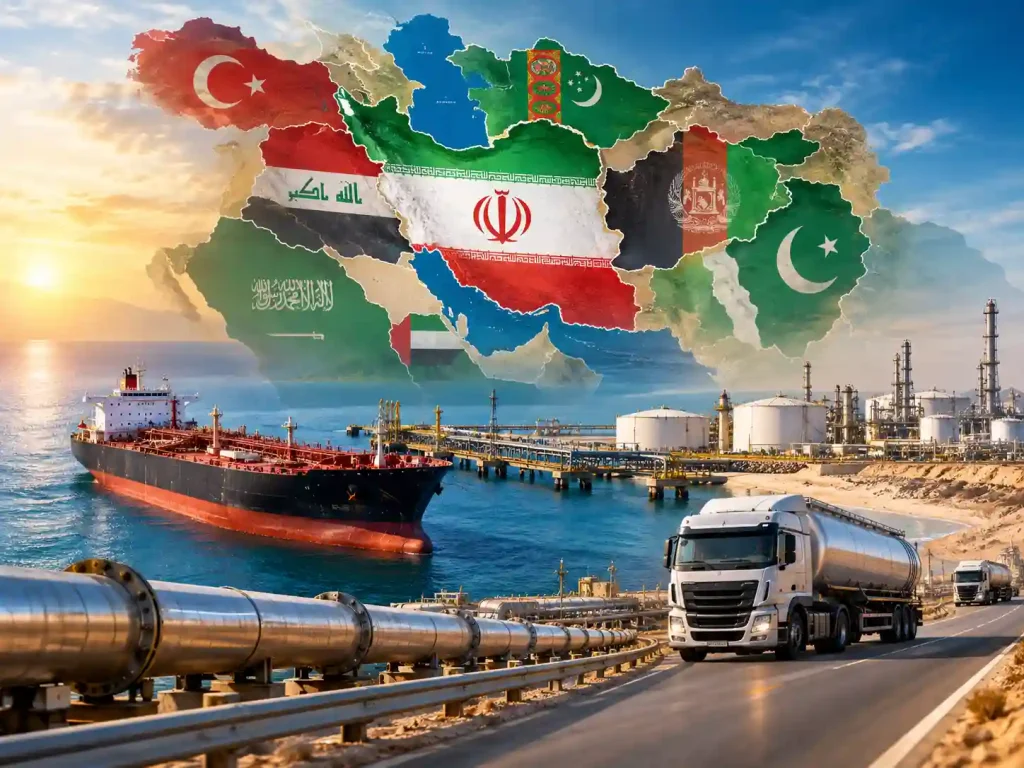
Routes such as Afghanistan & Pakistan Logistics, which cross multiple legal jurisdictions and variable road conditions, require an extra layer of caution:
- Advance coordination with border authorities to reduce long cargo wait times in high-risk zones
- Awareness of critical points along the route (dangerous curves, low-traffic areas without emergency support)
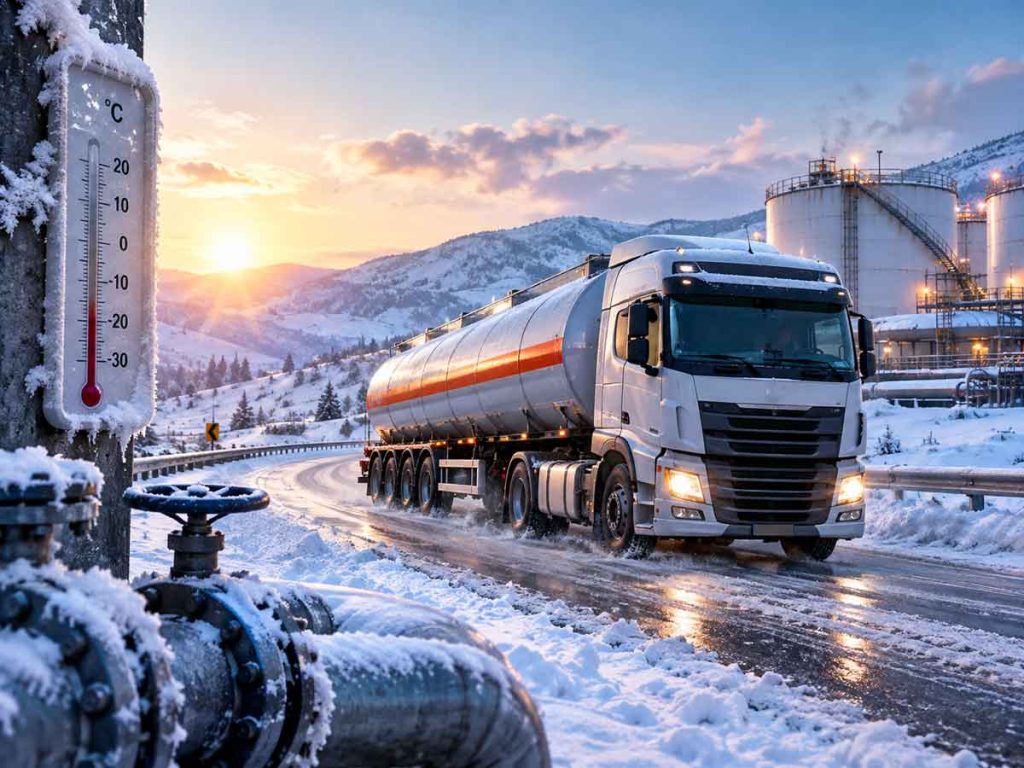
- Planning for adverse weather conditions that could affect cargo stability
- Preparing backup equipment (leak-response kits, mobile fire-suppression tools) for long, remote stretches
Safety in Diesel Fuel Transportation Specifically
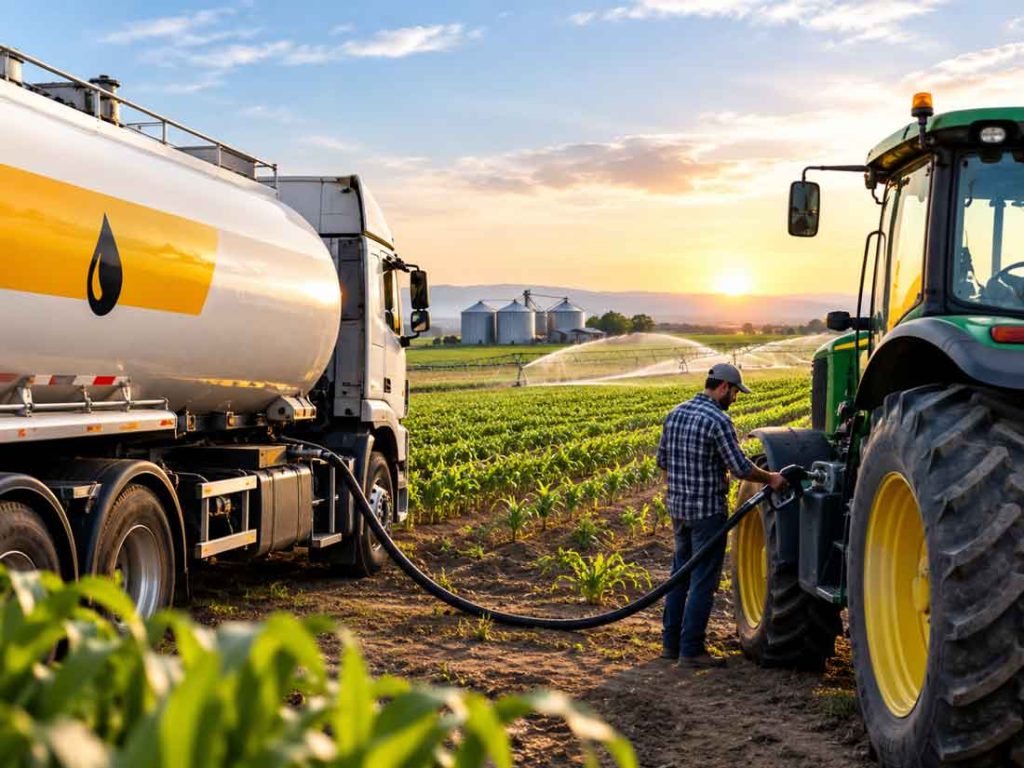
Although diesel is less volatile than gasoline, the high volume typical of Diesel Fuel Transportation shipments means any incident can have a wider impact. Key measures include precise control of tank fill levels, regular inspection of fittings and valves, and specialized training for handling high-volume loads. A full guide to this topic is available in Diesel Fuel Transportation: From Route Planning to Safe Delivery.
International Standards Related to Petroleum Products Transportation Safety
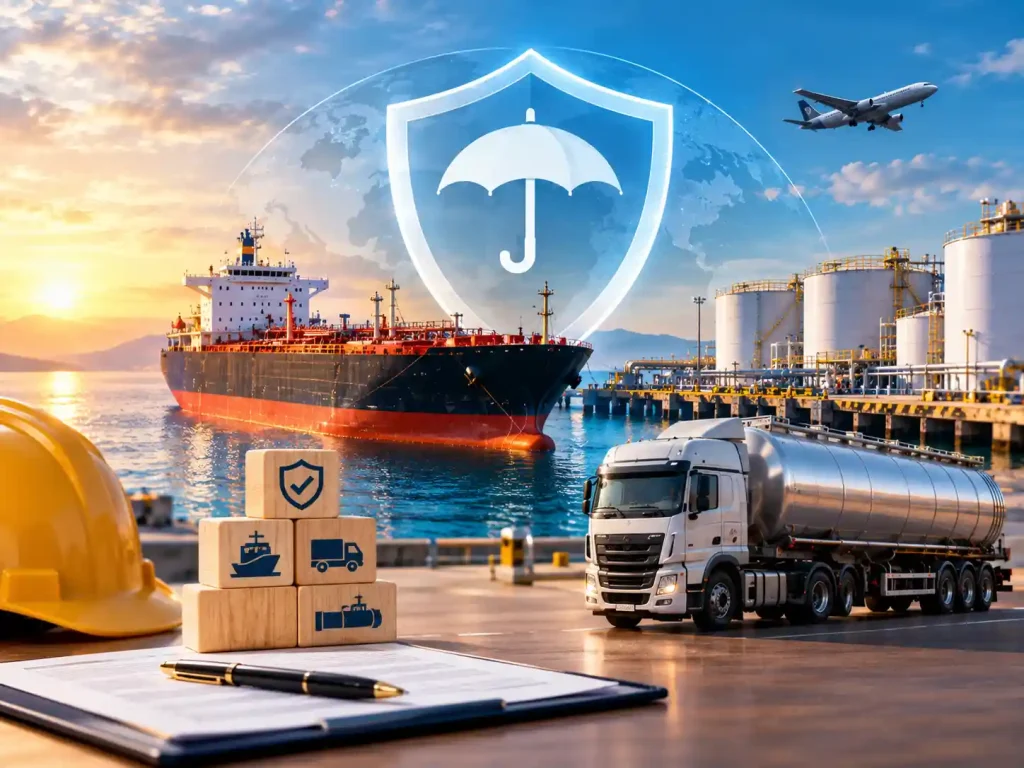
Petroleum Products Transportation operations, especially on international routes, generally need to align with frameworks similar to ADR (the European Agreement concerning the International Carriage of Dangerous Goods by Road). Compliance includes correct cargo labeling, complete safety documentation, and periodic risk assessment of active routes. For the official framework on dangerous goods transport, see the UNECE Dangerous Goods portal.
Conclusion
Safety in Petroleum Products Transportation is a combination of standardized equipment, trained personnel, intelligent route planning, and reliable storage infrastructure. Companies that manage these elements together can minimize operational risk at every stage of Petroleum Products Transportation — from domestic diesel shipments to more complex international and regional routes.
Khazraei Logistics, through full HSE compliance, an equipped fleet, and safe storage terminals at Sarakhs and Mahirood, ensures safety at every stage of Petroleum Products Transportation.


One thought on “Safety in Petroleum Products Transportation; How to Minimize Operational Risk”
Comments are closed.