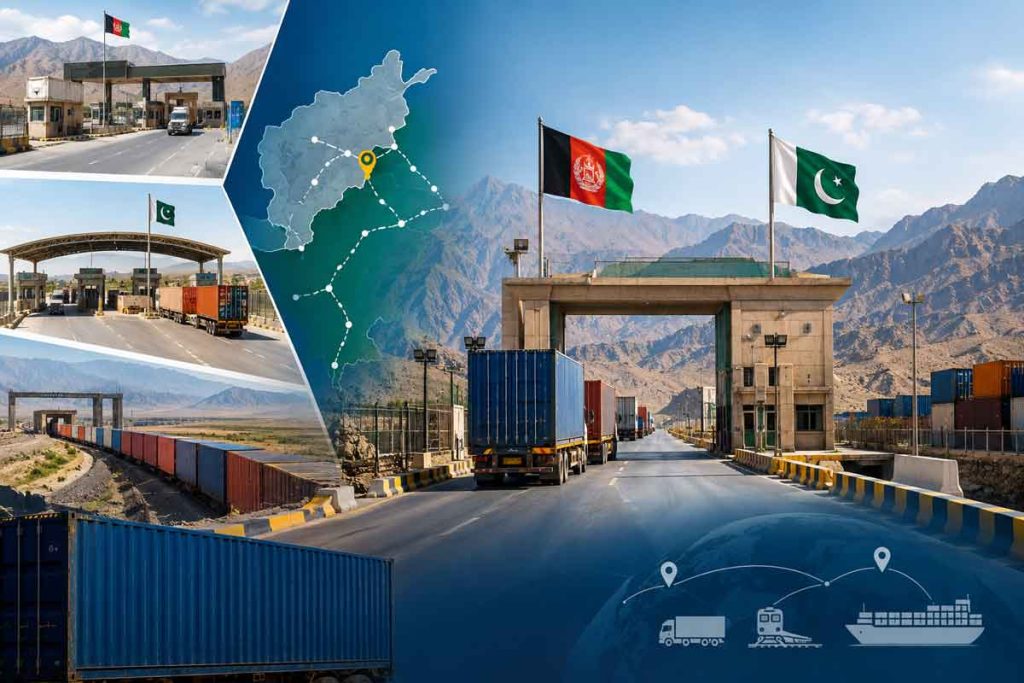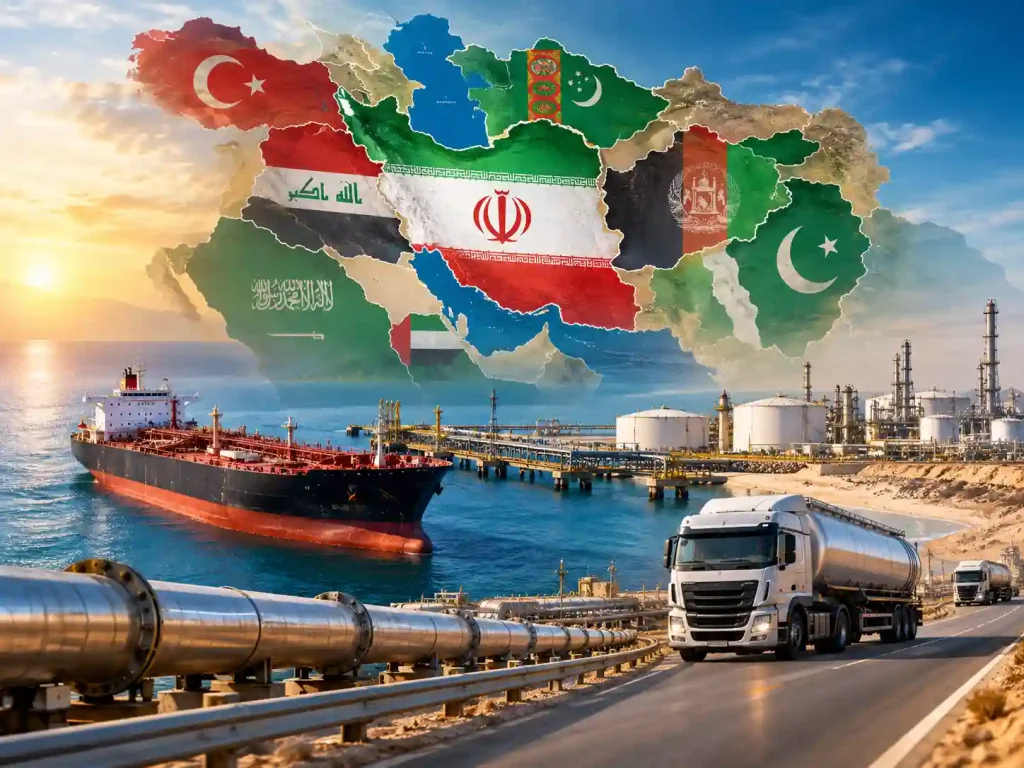


Investment in Afghanistan and Pakistan logistics is a significant long-term growth opportunity for companies targeting the eastern markets of Iran. Sustained fuel demand, the geographical advantages of Iran’s eastern borders, and infrastructure gaps in destination countries have made this corridor an area with both genuine investment opportunities and considerable risks.
In this article, we examine the main investment opportunities along this route and the key factors investors should consider when evaluating potential risks.
Disclaimer: This article is for informational purposes only and does not constitute financial or investment advice. Consult qualified professionals before making any investment decisions.
Why Is This Corridor Attractive for Logistics Investment?
Several factors make the Afghanistan and Pakistan logistics corridor an area of interest for investors:
- Structural demand for fuel: Due to its limited refining capacity, Afghanistan relies heavily on imports of petroleum products to meet domestic demand.
- Geographical proximity to Iran: Economic and logistics hubs along Iran’s eastern routes, including Sarakhs and Mahirud, can help reduce transportation time and costs compared with more distant routes.
- Access to larger markets: Logistics routes through Afghanistan can also provide access to Pakistan and Central Asian markets.
- Gaps in competing infrastructure: In many parts of the corridor, storage facilities and specialized transportation fleets remain underdeveloped, creating potential opportunities for infrastructure investment.
For an overview of the strategic importance of this corridor, read our article: Afghanistan and Pakistan Logistics: A Strategic Opportunity Along Iran’s Eastern Trade Routes.
Major Investment Opportunities Along This Corridor
1. Expanding Specialized Transportation Fleets
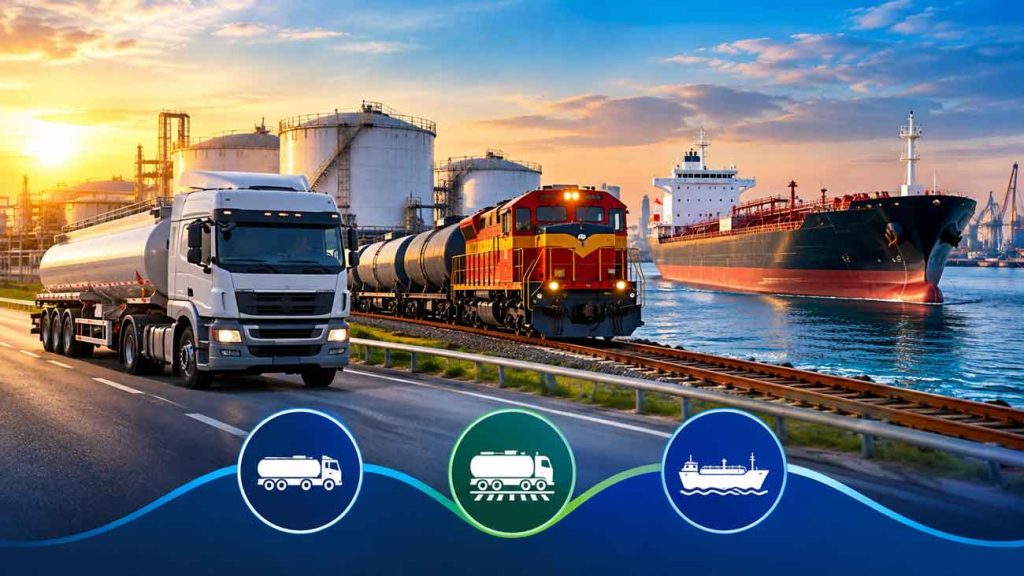
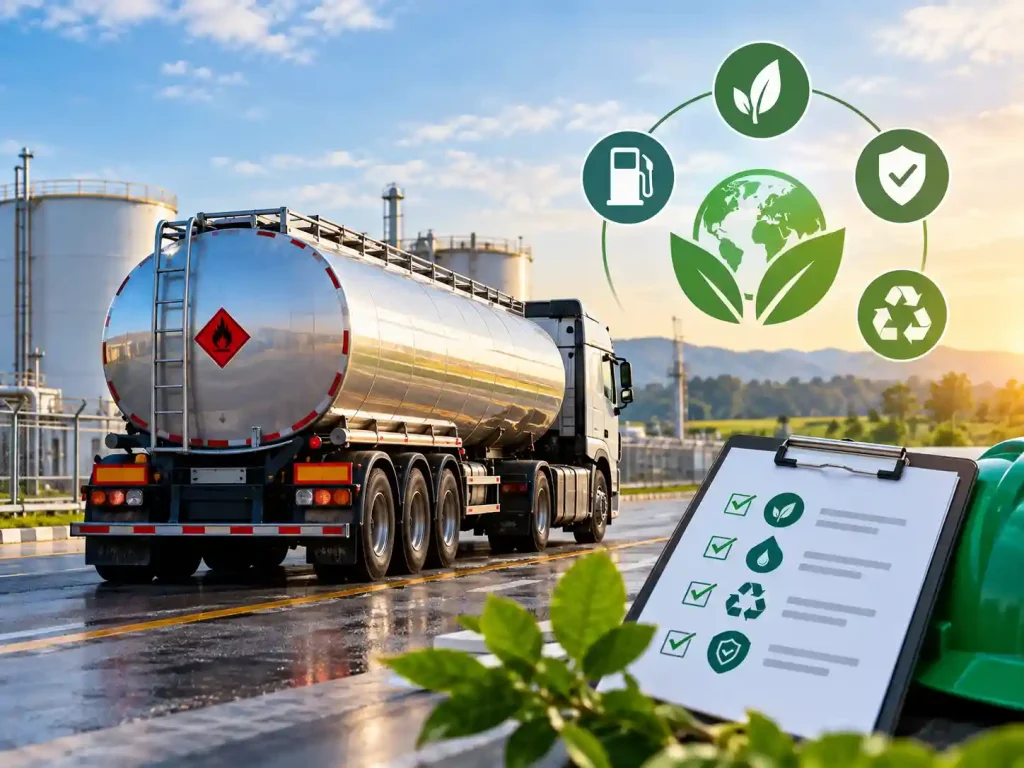
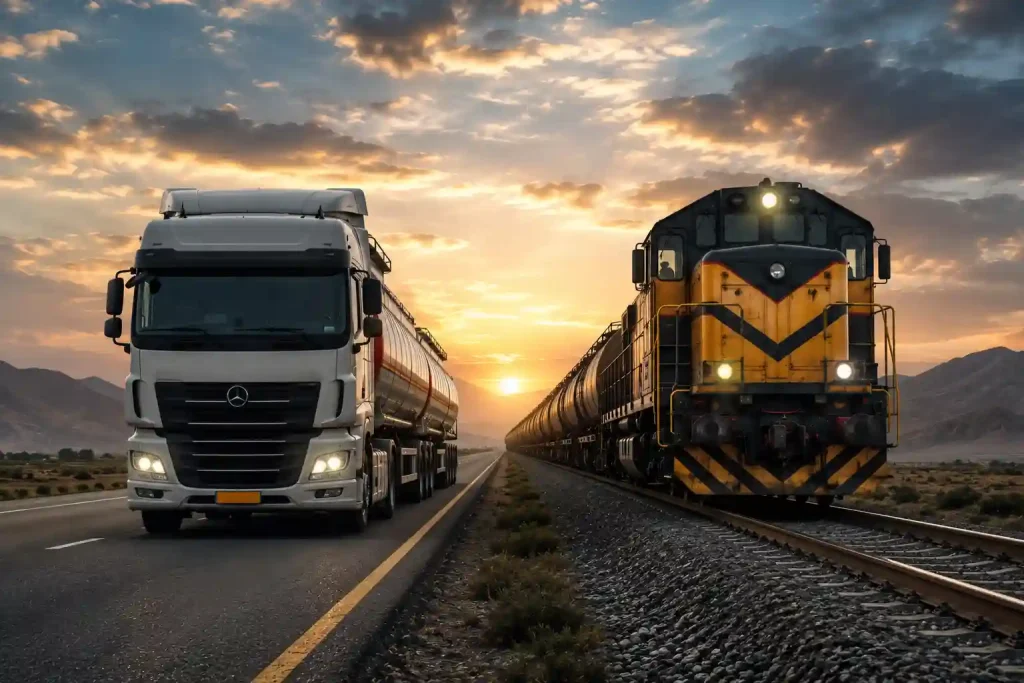
Expanding fleets of standardized tanker trucks, particularly for diesel fuel transportation and other high-volume petroleum products, is one of the most direct ways to enter this market.
Investing in modern transportation equipment can increase operational capacity while helping reduce accident risks, maintenance costs, and vehicle downtime. Fleet owners should also consider vehicle standards, maintenance requirements, driver training, and compliance with applicable transportation regulations.
2. Border Terminals and Fuel Storage Facilities
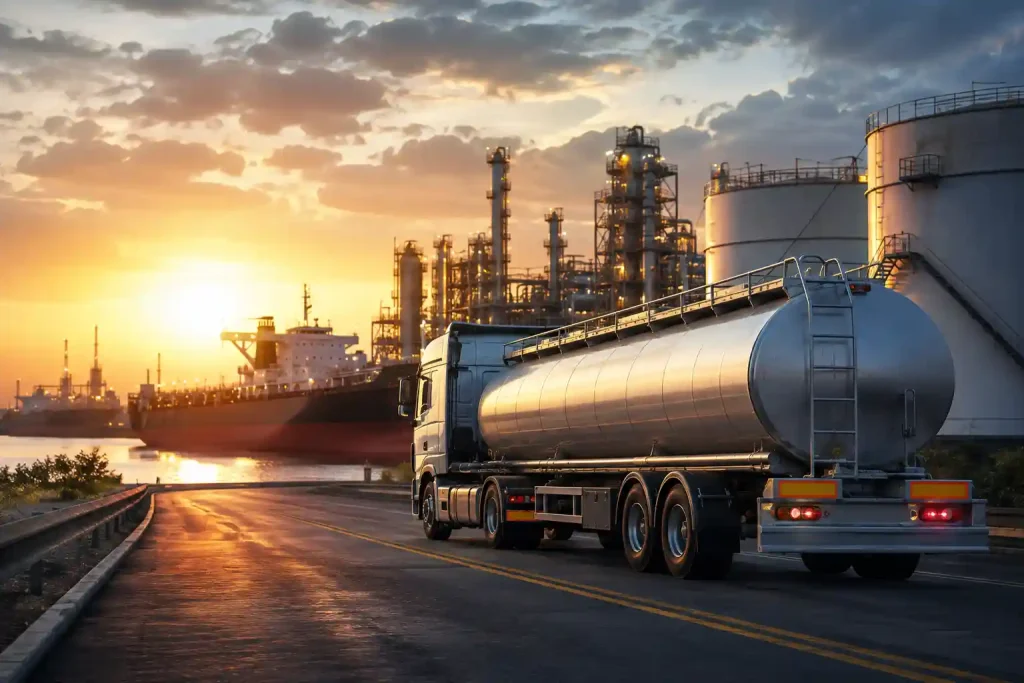
Storage terminals located near border crossings and key logistics hubs, including facilities serving routes through Sarakhs and Mahirud, can help businesses manage fluctuations in demand and improve delivery scheduling.
Although these facilities generally require substantial initial capital, they can provide a stronger long-term competitive position by improving storage capacity, operational flexibility, and the coordination of fuel shipments.
Before investing, companies should assess land availability, construction costs, operating requirements, storage capacity, and the permits needed to handle petroleum products.
3. Mini-Refineries and Local Supply
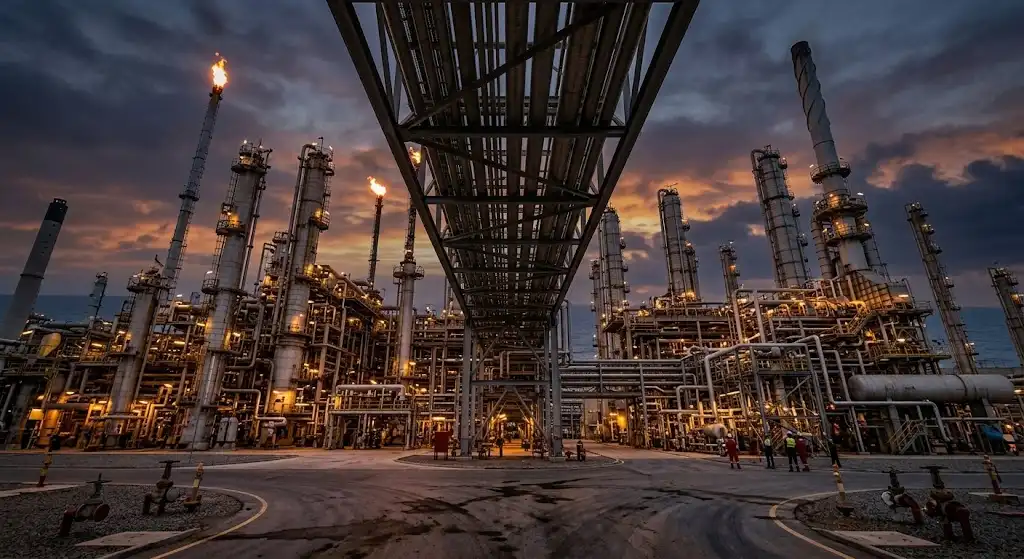
Projects such as mini-refineries may shorten the supply chain and reduce dependence on imported refined petroleum products. However, their feasibility depends on several factors, including access to crude oil or feedstock, processing technology, local demand, environmental requirements, and regulatory approval.
Such projects require detailed technical and financial feasibility studies, as well as verification of all applicable licenses and legal requirements before implementation.
4. Technology and Operational Digitalization
Digital solutions can improve the efficiency and transparency of cross-border logistics operations.
Potential investment areas include:
- Fleet tracking and real-time vehicle monitoring platforms.
- Automation of customs documentation and shipment records.
- Intelligent route-planning and fleet-scheduling systems.
- Digital inventory management for fuel storage terminals.
- Data-driven monitoring of transportation costs and delivery performance.
These technologies can reduce hidden operating costs, improve coordination, and create additional value across the logistics supply chain.
5. Supporting Services Along the Route
Supporting services represent another potential investment area along the Afghanistan and Pakistan logistics corridor.
Examples include fleet maintenance centers, secure parking facilities near border crossings, driver support services, and specialized documentation and administrative services.
These businesses can support transportation operators and help address operational needs along the route. Their commercial viability depends on local demand, competition, accessibility, and the availability of suitable facilities.
Key Risks to Evaluate Before Investing
Despite the potential opportunities, investment in Afghanistan and Pakistan logistics involves several risks that require careful assessment.
- Security and border conditions: Sudden changes in security conditions or border operations can temporarily interrupt transportation and delay deliveries.
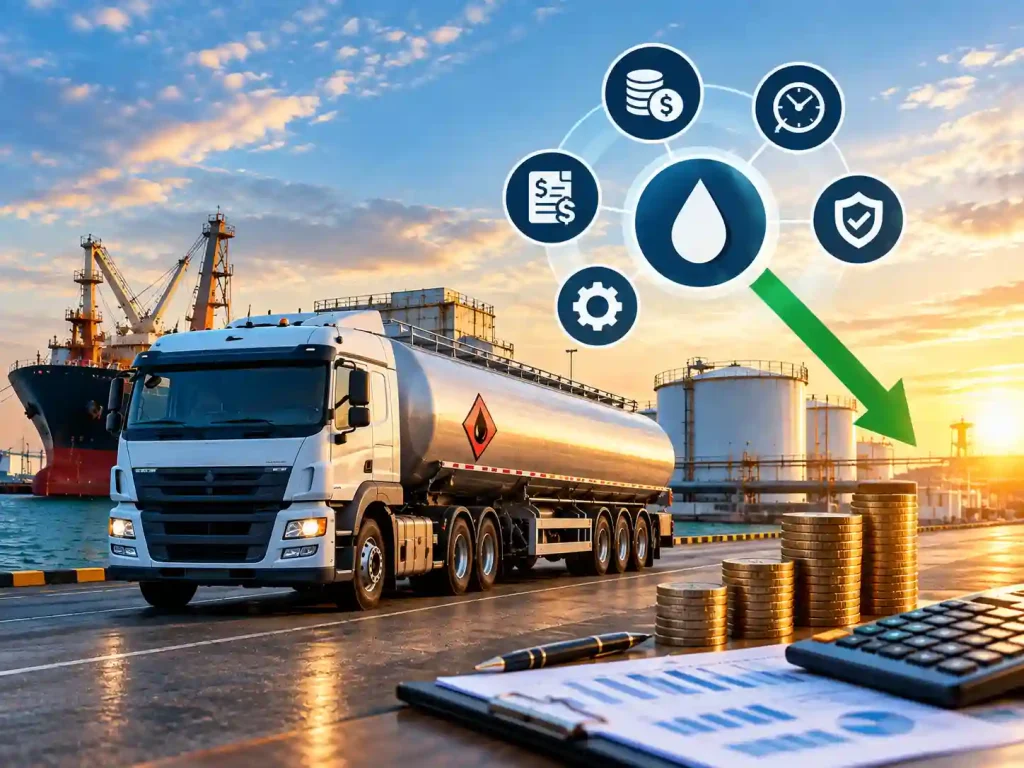
- Currency and payment risks: Differences between national currencies, exchange-rate fluctuations, and payment delays can affect operating costs, cash flow, and investment returns.
- Regulatory risks: Customs procedures, trade regulations, transportation requirements, and licensing rules may change in either country, affecting the movement of goods across borders.
- Road infrastructure risks: Variations in road quality and accessibility can directly affect transportation costs, delivery schedules, vehicle maintenance, and cargo safety.
- Concentration risk: Excessive dependence on a single route, customer, supplier, or type of petroleum product can increase exposure to operational and commercial disruptions.
Investors should evaluate these risks in relation to their proposed business model, available capital, operational capabilities, and expected investment horizon.
How Can Investment Risks Be Managed?
A structured risk-management approach can help logistics businesses prepare for uncertainty and improve operational resilience.
- Diversify routes and products: Rather than relying exclusively on diesel, consider opportunities involving a broader range of petroleum products, subject to demand, regulatory requirements, and operational feasibility.
- Partner with experienced local operators: Local partners can provide practical knowledge of market conditions, border procedures, business practices, and regional operating requirements.
- Enter the market gradually: Starting with a smaller operational capacity can help investors test market demand and evaluate actual costs before committing additional capital.
- Obtain appropriate insurance: Assess insurance coverage for cargo, vehicles, third-party liability, and other relevant risks, particularly on routes with elevated operational exposure.
- Use flexible contracts: Clearly defined provisions for exchange-rate adjustments, payment terms, delivery obligations, and force majeure events can help manage contractual uncertainty.
The appropriate combination of these measures will depend on the investment structure, route, type of cargo, and specific contractual arrangements.
How This Investment Connects to the Wider Oil and Gas Logistics Chain
Investment along this corridor forms part of a broader supply chain. Oil and gas logistics, encompassing storage terminals, transportation fleets, inventory management, and shipment documentation, plays an important role in operational efficiency and the sustainability of investment returns.
Coordination between these activities can help businesses manage supply, storage, and transportation more effectively. The performance of the overall logistics chain should therefore be considered when evaluating an individual investment opportunity.
Learn more in our related article: Oil and Gas Logistics: The Backbone of the Energy Supply Chain.
The Role of International Transportation in Investment Returns
The performance of investments along this corridor also depends on effective international transportation management.
Cross-border fuel transportation involves documentation, customs clearance, regulatory compliance, coordination between different countries, and the management of delivery schedules. Weaknesses in any of these processes can increase costs, create delays, and make financial outcomes less predictable.
Companies that manage these processes efficiently may be better positioned to control avoidable expenses and improve operational consistency.
For more information, read our article: Documents and Permits Required for International Fuel Transportation.
For broader information on global energy demand and market developments, investors can also consult reports published by the International Energy Agency (IEA).
Key Considerations When Evaluating an Investment Opportunity
Before committing capital to a logistics project in this corridor, investors should consider the following steps:
- Conduct a detailed feasibility study: Assess market demand, expected shipment volumes, competitors, capital expenditure, operating costs, and potential revenue.
- Verify legal and regulatory requirements: Identify the permits, licenses, customs procedures, and operating requirements applicable on both sides of the border.
- Evaluate downside scenarios: Consider the financial impact of temporary border closures, significant exchange-rate fluctuations, payment delays, and interruptions to transportation services.
- Define investment-return metrics: Establish measurable performance indicators, expected payback periods, cash-flow assumptions, and realistic investment timelines.
- Consult legal and financial professionals: Obtain specialist advice on contracts, taxation, regulatory compliance, insurance, and financial risk before making a final decision.
A thorough assessment of these factors can help investors understand the financial and operational requirements of a proposed project before allocating substantial resources.
Conclusion
Investment in Afghanistan and Pakistan logistics combines sustained fuel demand, geographical advantages, and significant operational and regulatory risks. Opportunities may exist in specialized tanker fleets, border storage terminals, local supply infrastructure, digital logistics solutions, and supporting services.
However, the viability of each opportunity depends on market demand, infrastructure availability, regulatory conditions, security considerations, and the investor’s ability to manage operational and financial risks.
A phased investment strategy, market diversification, partnerships with experienced local operators, and careful risk assessment can help businesses evaluate the long-term potential of this corridor more effectively.
Khazraei Logistics: Your Partner in Eastern Logistics Operations
With a fleet of 300 vehicles, storage terminals in Sarakhs and Mahirud, and operational experience along eastern routes, Khazraei Logistics provides logistics infrastructure and operational capabilities for companies interested in this corridor.
Businesses exploring investment opportunities in Afghanistan and Pakistan can assess how these capabilities align with their transportation, storage, and supply-chain requirements.