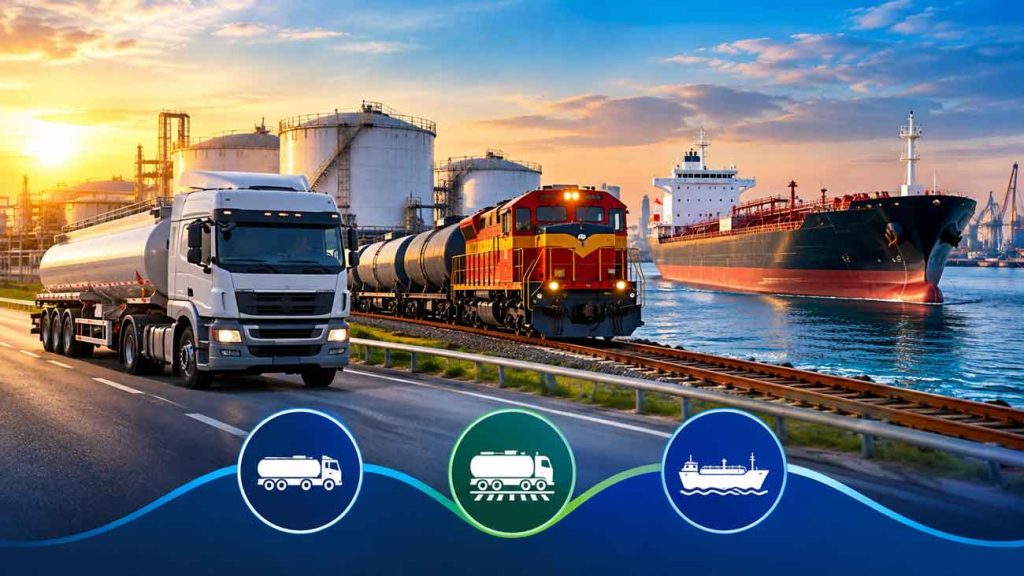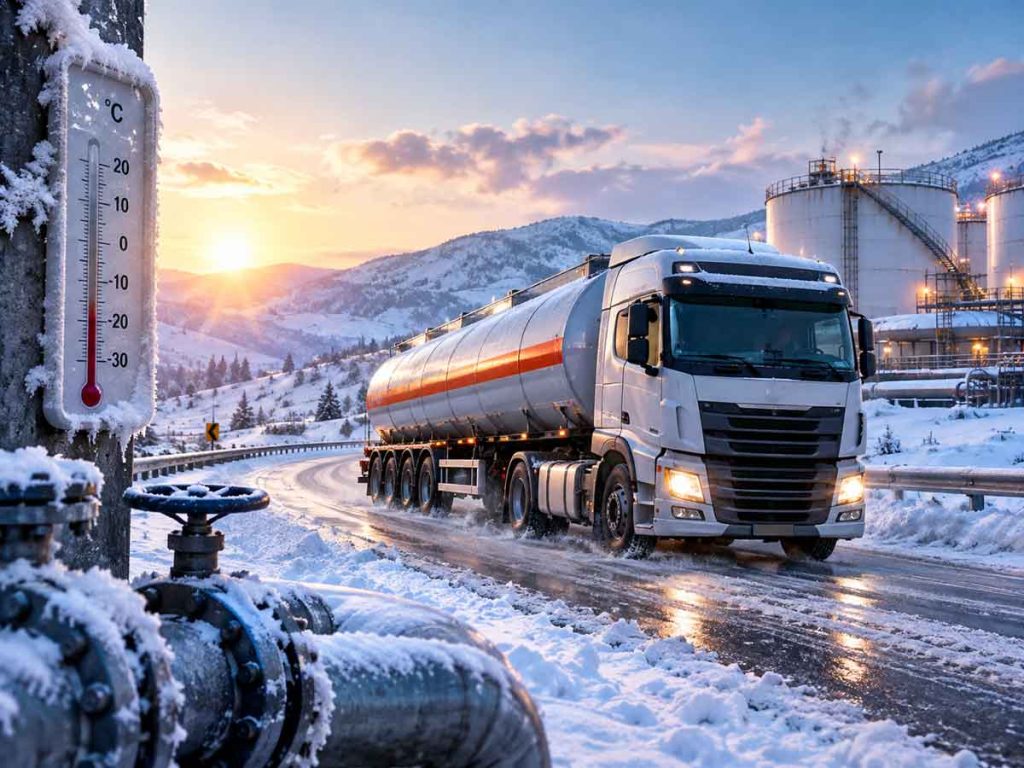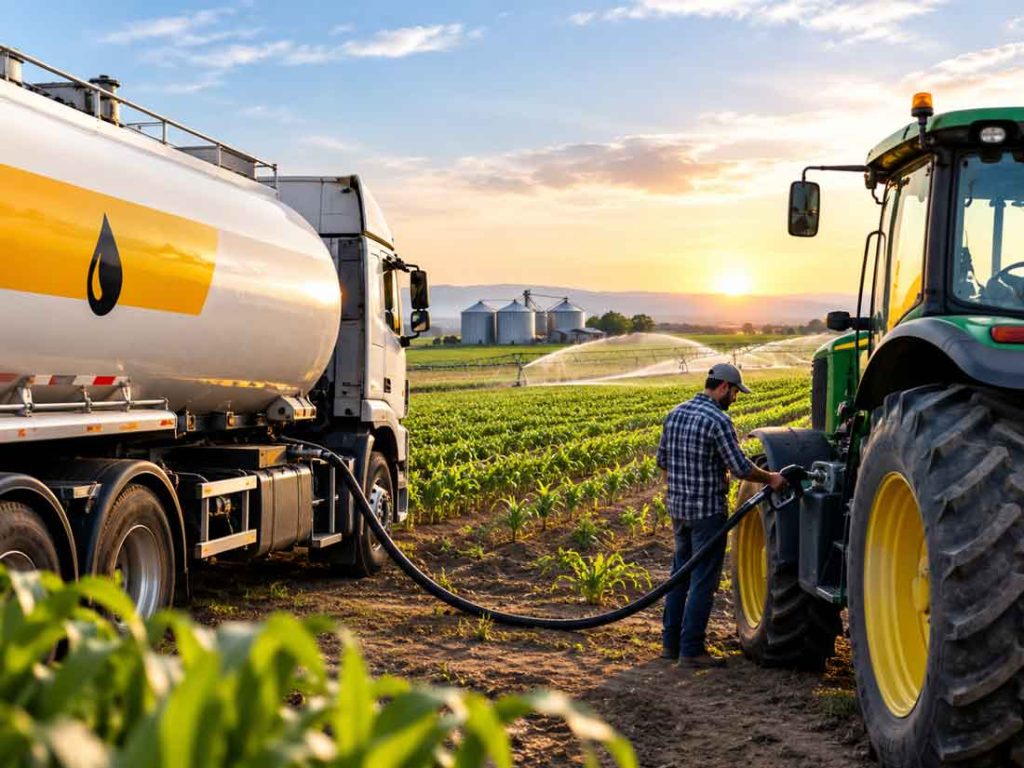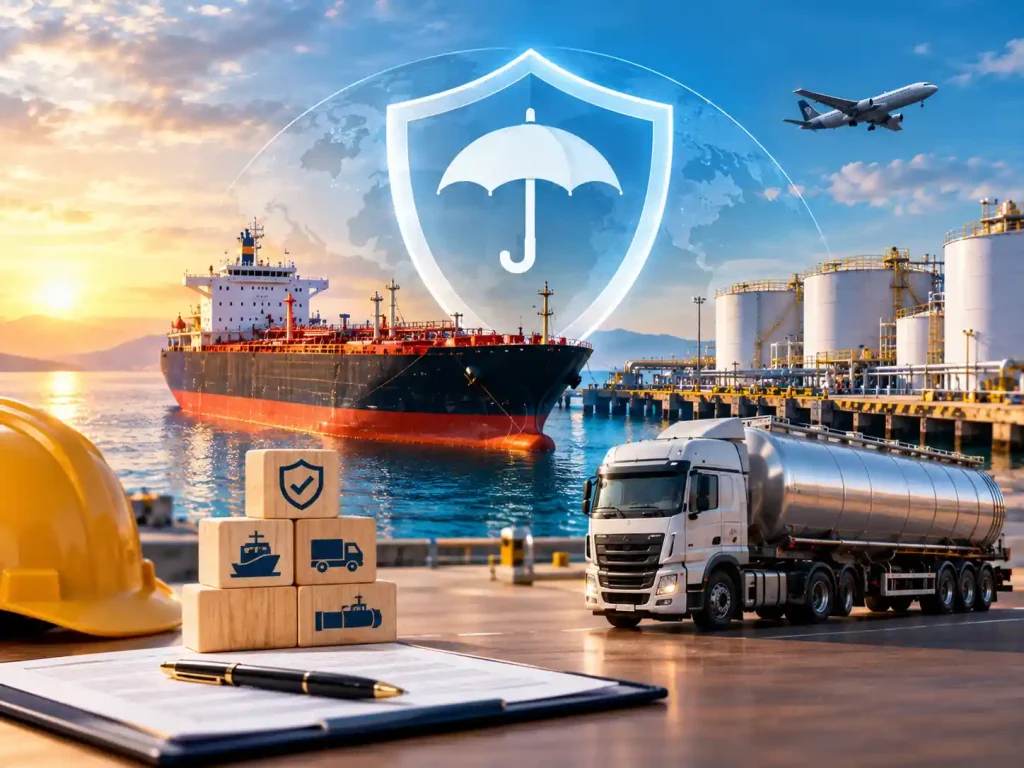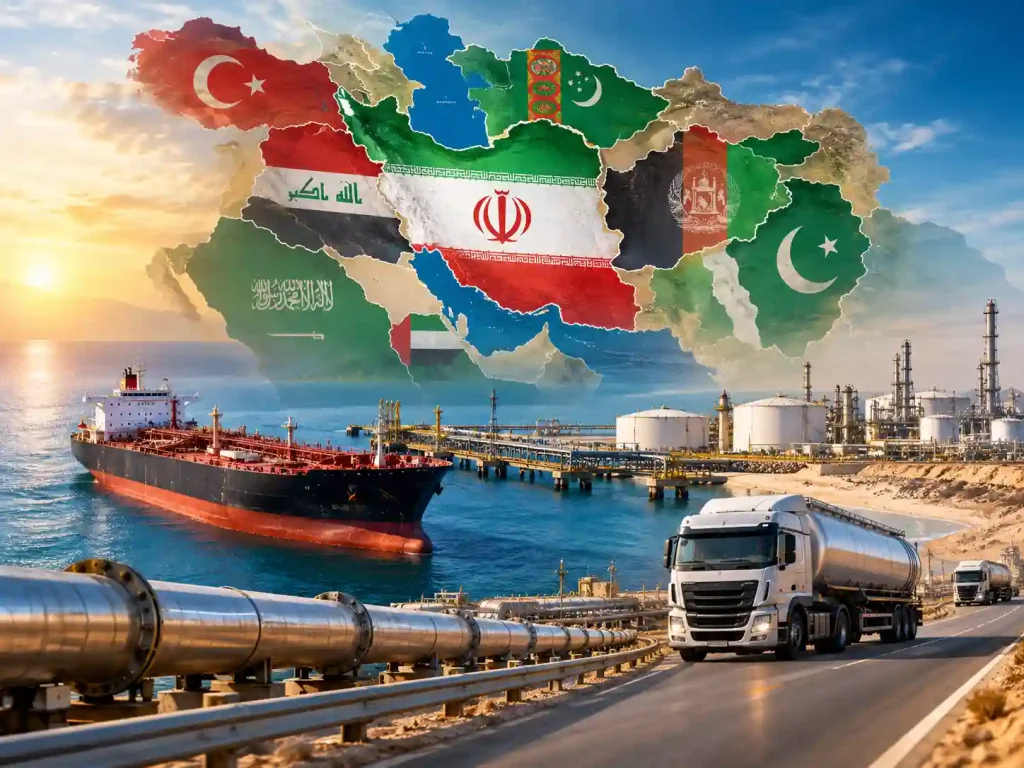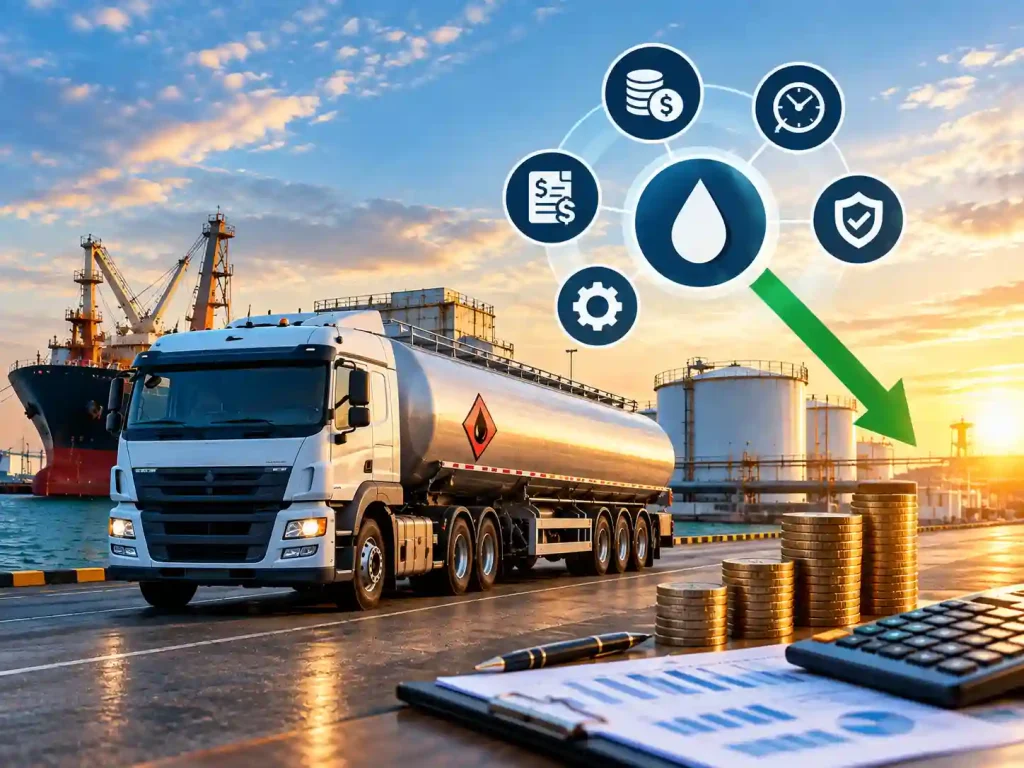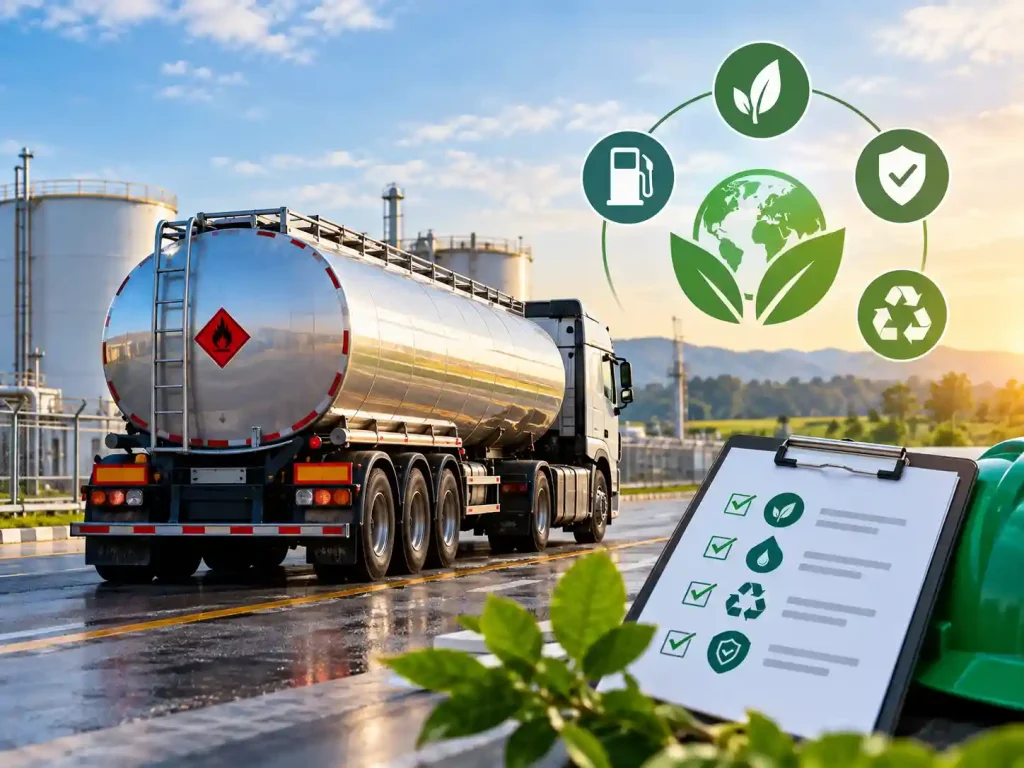


The quality of fleet equipment for petroleum transport has a direct impact on safety, operational speed, and the overall lifespan of the fuel supply chain. Unlike general cargo trucks, tankers used in Petroleum Products Transportation must carry a specific set of technical and safety equipment, each playing a distinct role in preventing accidents or minimizing damage. This article covers the core components of a standard petroleum transport fleet in full.
Why Fleet Equipment Matters So Much
Petroleum products are classified globally as dangerous goods. This means any technical fault in the fleet — unlike with ordinary cargo — can escalate into a serious incident very quickly. Standardized equipment forms the first line of defense against this risk, even before driver training or route planning come into play.
Core Components of a Standard Petroleum Transport Tanker
1. Tank Body and Reinforced Walls
The tank body must be built from steel or corrosion-resistant alloys capable of withstanding internal pressure and potential impacts. Wall thickness and internal lining vary depending on the product being transported — diesel, gasoline, or LPG.
2. Fire Suppression System
Every tanker must be equipped with an accessible, active fire suppression system capable of responding within the first critical moments of a fire.
3. Emergency Shut-off Valves
These valves allow rapid shutoff of cargo flow in critical situations and are among the most vital safety components in Petroleum Products Transportation.
4. Grounding System
Static electricity generated during transport, loading, and unloading can act as an ignition source. A grounding system neutralizes this risk.
5. Temperature and Pressure Sensors
For sensitive products such as LPG, real-time monitoring sensors provide early warning before a problem develops.
6. GPS Tracking and Telematics
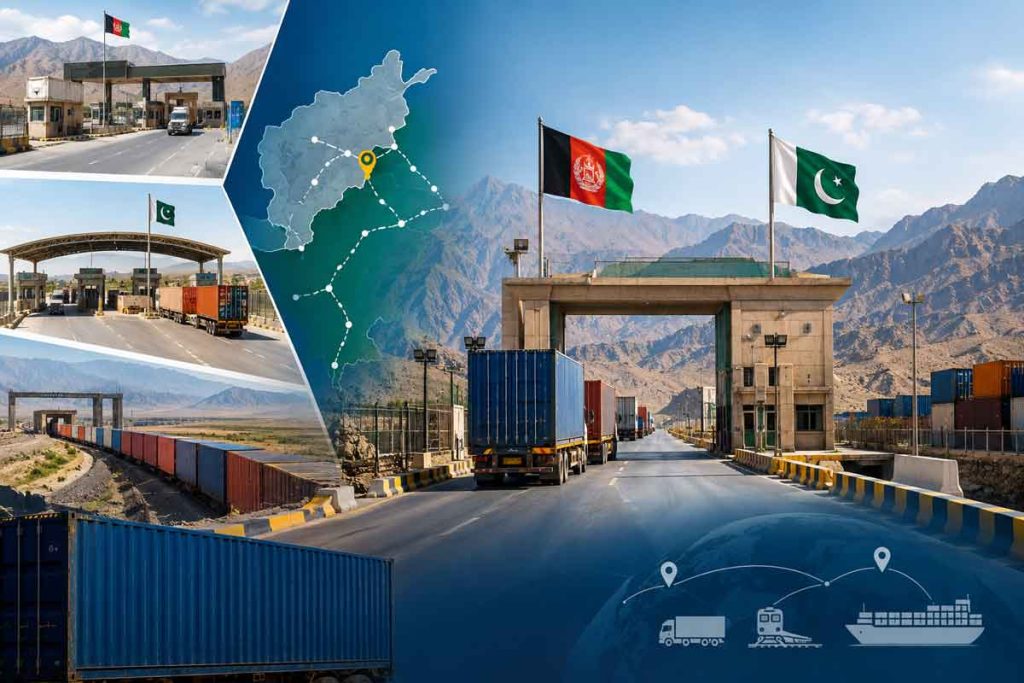
While not physical safety equipment in the strictest sense, real-time tracking is now an inseparable part of a modern petroleum transport fleet — particularly on International Transportation routes where route monitoring carries added importance.
International Standards for Fleet Equipment
Fleet equipment for petroleum transport generally needs to align with frameworks similar to ADR (the European Agreement concerning the International Carriage of Dangerous Goods by Road). These standards define the equipment level required for each product type and the intervals for periodic inspection. For more detail, see the UNECE Dangerous Goods portal.
Periodic Inspection and Maintenance: The Step You Can’t Skip
Owning standard equipment on the day the tanker is purchased isn’t enough. A proper inspection and calibration schedule should include:
- Monthly inspection of the fire suppression system and emergency valves
- Seasonal calibration of temperature and pressure sensors
- Annual inspection of tank integrity and body welds
- Continuous grounding system checks before every loading operation
How Equipment Needs Vary by Product
Equipment requirements differ depending on the product being carried. Diesel Fuel Transportation, for example, involves high volume and frequent trips, so it demands more frequent inspection of fittings and valves; LPG transport, given its pressure sensitivity, requires pressurized tanks and more precise sensors. Read more about these differences in Diesel Fuel Transportation: From Route Planning to Safe Delivery.
Fleet Equipment Within the Broader Oil & Gas Logistics System
Fleet equipment is only one part of a much larger system. Without coordination with storage terminals, route planning, and a trained operational team, even the best equipment isn’t enough on its own. Read the full picture in Oil & Gas Logistics: The Backbone of the Energy Supply Chain.
Common Mistakes in Fleet Equipment Maintenance
- Postponing periodic inspection due to operational time pressure
- Using non-standard spare parts to cut costs
- Failing to keep documented inspection history for each tanker
- Ignoring early sensor warnings on the assumption that “nothing has gone wrong yet”
Conclusion
Fleet equipment for petroleum transport is the most fundamental safety layer in the entire fuel supply chain. Companies that invest in purchasing, regularly inspecting, and upgrading this equipment not only reduce accident risk but also extend fleet lifespan and strengthen customer trust.
Khazraei Logistics operates a fleet of 300 tankers equipped to the highest technical and safety standards, delivering Petroleum Products Transportation with maximum reliability.