

Fuel products transportation is one of the most sensitive links in the energy supply chain. Gasoline, diesel, kerosene, jet fuel and fuel oil leave the refinery and must reach depots, terminals, distribution stations and export markets. A single mistake along the way, from a simple delay to a leak or fire, can cause serious financial and environmental damage. That is why the choice of transport mode, a standard-compliant fleet and an experienced logistics partner matters so much. If you want to learn more about specialized services in this field, visit our fuel transportation services page.
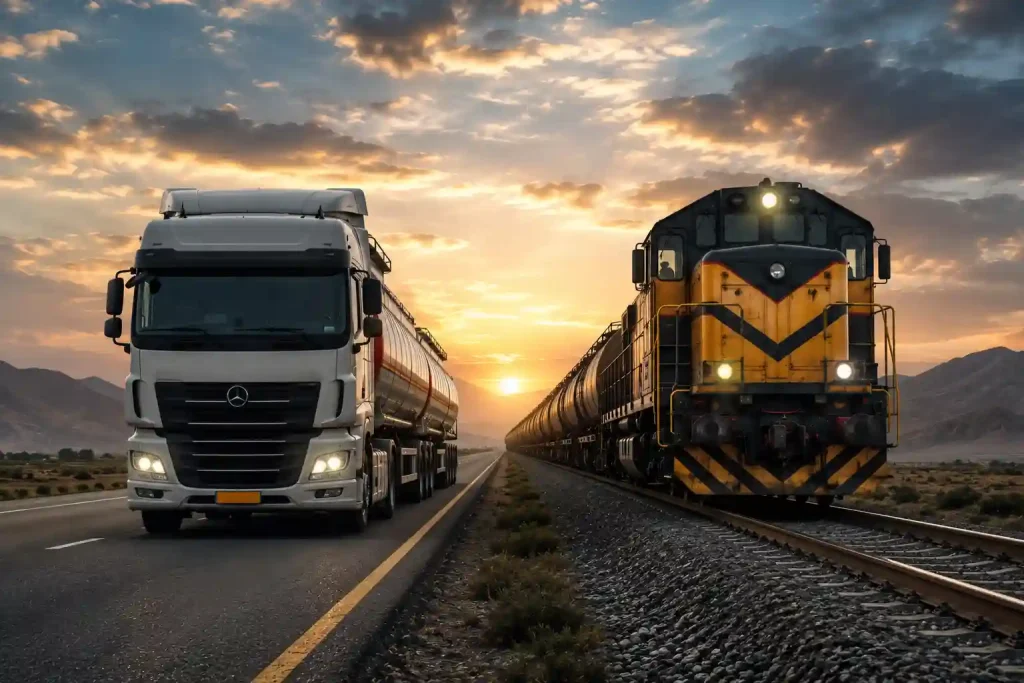
In this guide, we compare the three main transport modes (road, rail and sea), review safety standards and look at regional transit routes.
What Are Fuel Products?
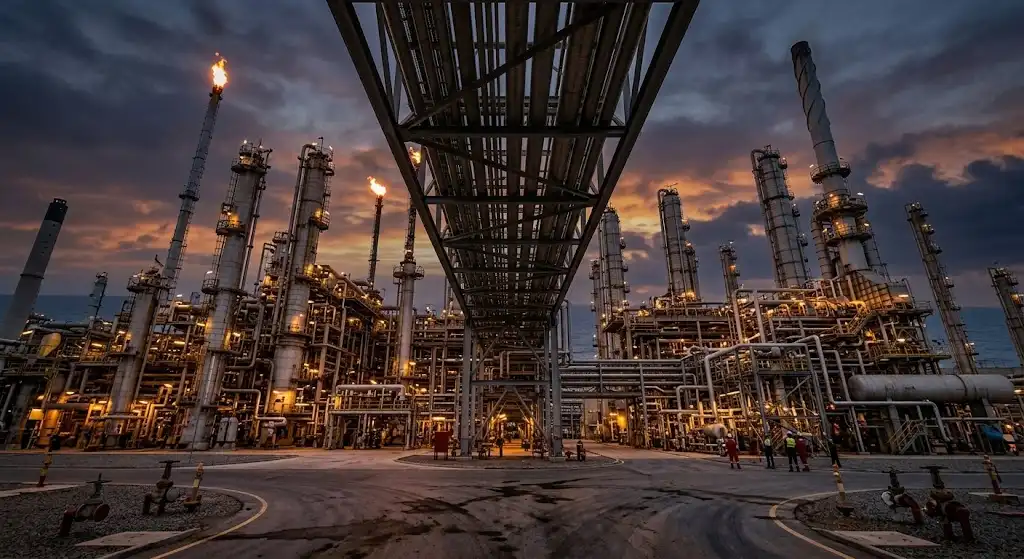
Fuel products are derivatives obtained from refining crude oil. They are used to supply energy for transport, industry, agriculture and power generation. The most important ones are:
- Gasoline: the main fuel for passenger cars; highly volatile and flammable
- Diesel: fuel for heavy fleets, agricultural machinery and industrial equipment
- Kerosene: used for heating and industrial purposes
- Jet fuel: fuel for aircraft
- Fuel oil (mazut): fuel for power plants and ships
These materials are generally classified as flammable liquids (Class 3), and their transport is subject to dangerous goods regulations. For example, gasoline is identified by UN 1203 and diesel by UN 1202.
Fuel Products Transportation by Road
Road tanker transport is the most flexible method and plays a role in almost every fuel distribution chain. Its main advantage is door-to-door delivery to depots, filling stations and industrial consumers.
Advantages:
- Access to destinations without rail lines or ports
- Flexible scheduling for loading and delivery
- Suitable for short and medium distances and variable volumes
Limitations:
- Each tanker has limited capacity compared with a train or ship
- Higher cost per ton-kilometer over long distances
- Road accident and traffic risks
Road transport requires compliant tanker equipment (certified tanks, safety valves, grounding systems and fire-fighting gear), trained and licensed drivers, and approved routes for dangerous goods. The international ADR agreement sets the framework for road transport of dangerous goods between member countries and is a useful reference (UNECE dangerous goods regulations).
Fuel Products Transportation by Rail
Rail transport with tank wagons is an economical and relatively safe option for long distances and large volumes. A single train can carry the equivalent of dozens of road tankers, reducing pressure on highways.
Advantages:
- Lower cost over long distances
- High capacity and fewer road accident risks
- Well suited to transit routes between countries
Limitations:
- Dependence on the rail network and equipped loading and unloading stations
- Fixed schedules and less flexibility than road
- Need for complementary road transport to reach the final destination
In many supply chains, combining rail and road gives the best result: the bulk moves by train and the final delivery is made by tanker.
Fuel Products Transportation by Sea
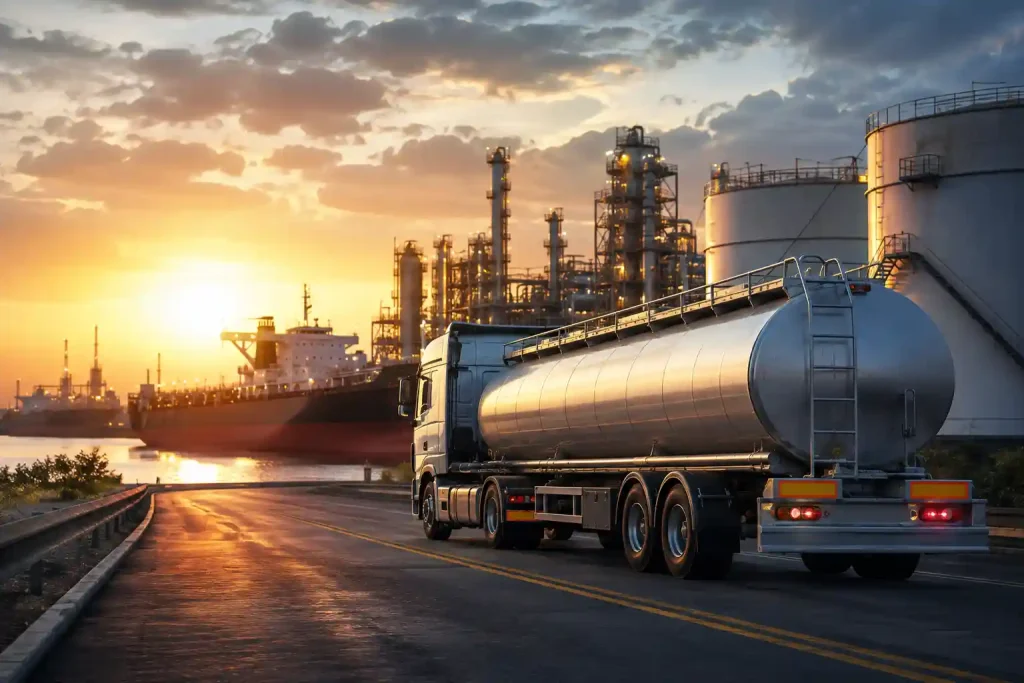
For exports and very large volumes, sea transport with product tankers is the most economical choice. It forms the backbone of international transportation of energy, and countries without suitable pipelines or land borders depend on it.
Advantages:
- Lowest cost per ton at high volumes
- Access to distant markets
- Extremely large capacity
Limitations:
- Need for equipped port terminals and storage tanks
- Weather and port congestion affect schedules
- Compliance with marine environmental rules such as MARPOL and IMDG requirements
Road vs. Rail vs. Sea: Which Is Best?
The best mode depends on cargo volume, distance, destination and budget:
| Criteria | Road | Rail | Sea |
|---|---|---|---|
| Flexibility | Very high | Medium | Low |
| Best for | Short to medium distances | Long land routes | Exports and high volumes |
| Cost over long distances | High | Medium | Low |
| Door-to-door delivery | Yes | No (needs last-mile road) | No (needs last-mile transport) |
In practice, professional oil and gas logistics companies usually design multimodal routes to optimize cost, time and safety at once.
Petroleum Products and Diesel Transportation: Technical Considerations
In petroleum products transportation, every product has its own characteristics. Gasoline is highly volatile and requires careful vapor management and safe unloading. Diesel transportation, although diesel has a higher flash point, brings its own challenges: high demand, long distances between refinery and consumer, tank contamination risk, quality control en route and prevention of mixing with other products.
To control these risks, we recommend:
- Inspecting and cleaning the tank before every loading
- Using GPS tracking and route monitoring
- Fully documenting loading, sealing and delivery
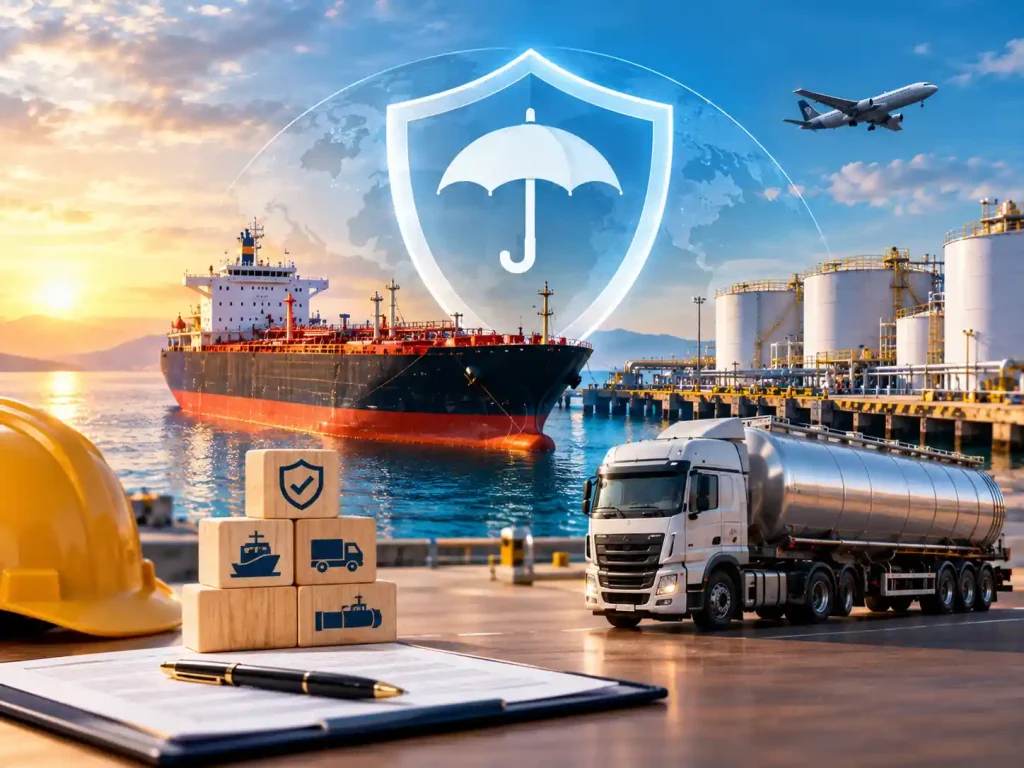
- Cargo insurance and third-party liability coverage
- Continuous training for drivers and operators
Fuel Products Transportation on Transit and Regional Routes
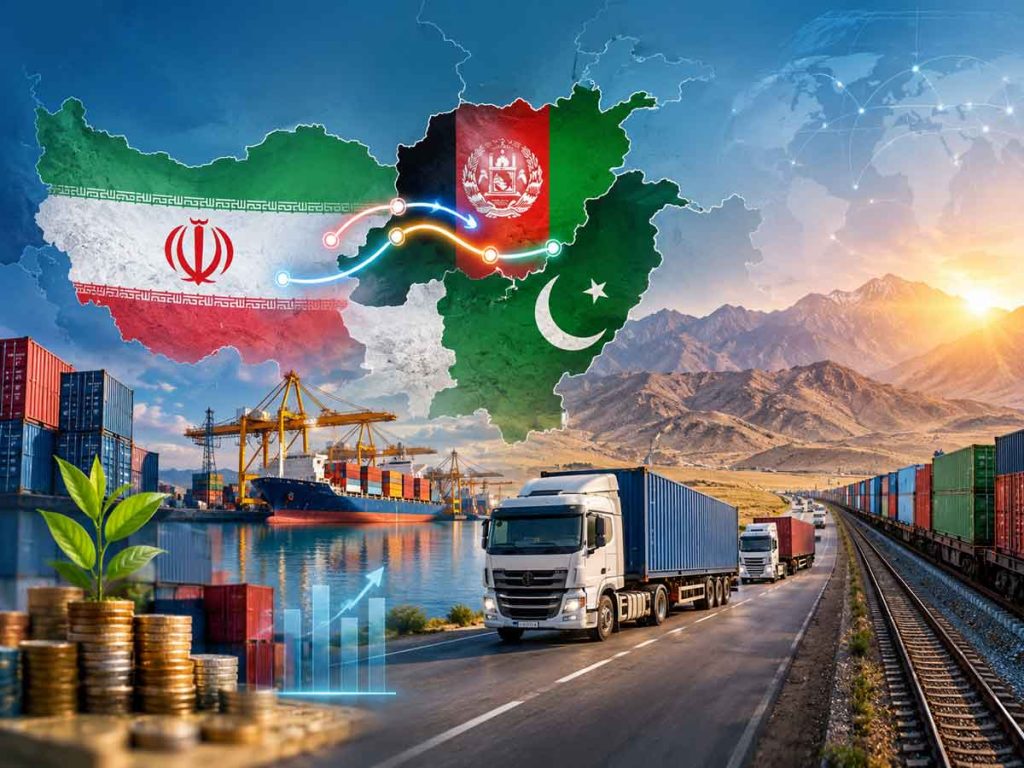
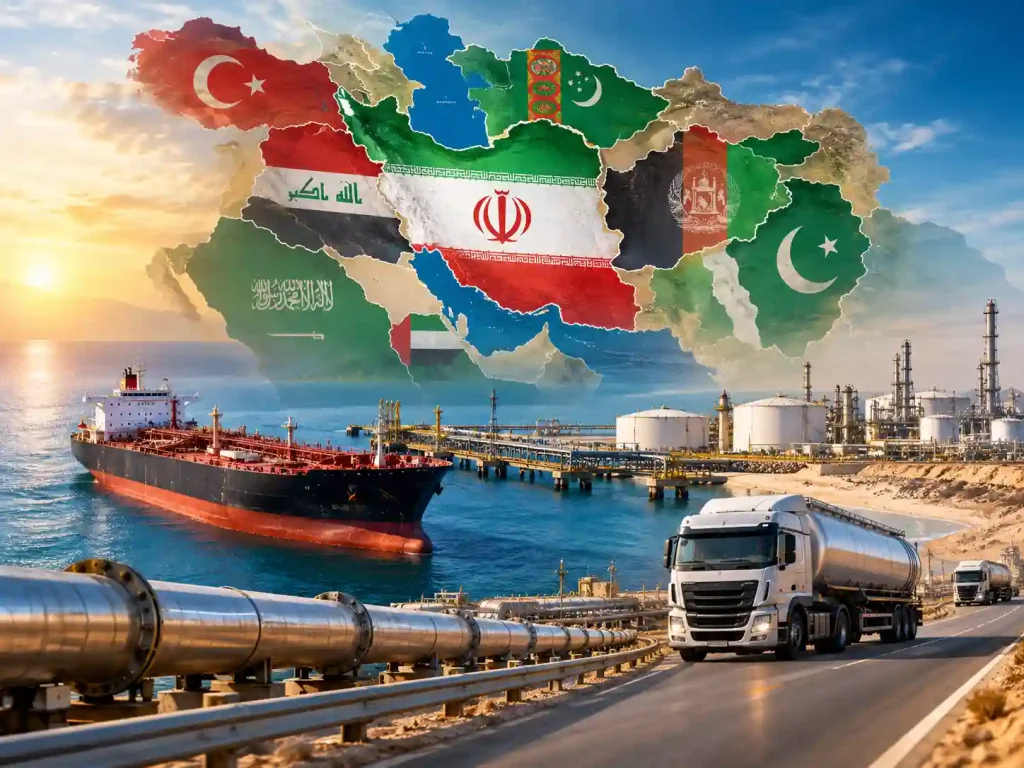
Iran’s geographic position makes it a natural link between the Persian Gulf, Central Asia, the Caucasus and the Indian subcontinent. Border areas such as Sarakhs have special importance in fuel transit thanks to their rail and road access to Central Asia. Storage terminals in these areas allow consolidation, temporary storage and distribution of cargo, and they reduce waiting time at the border.
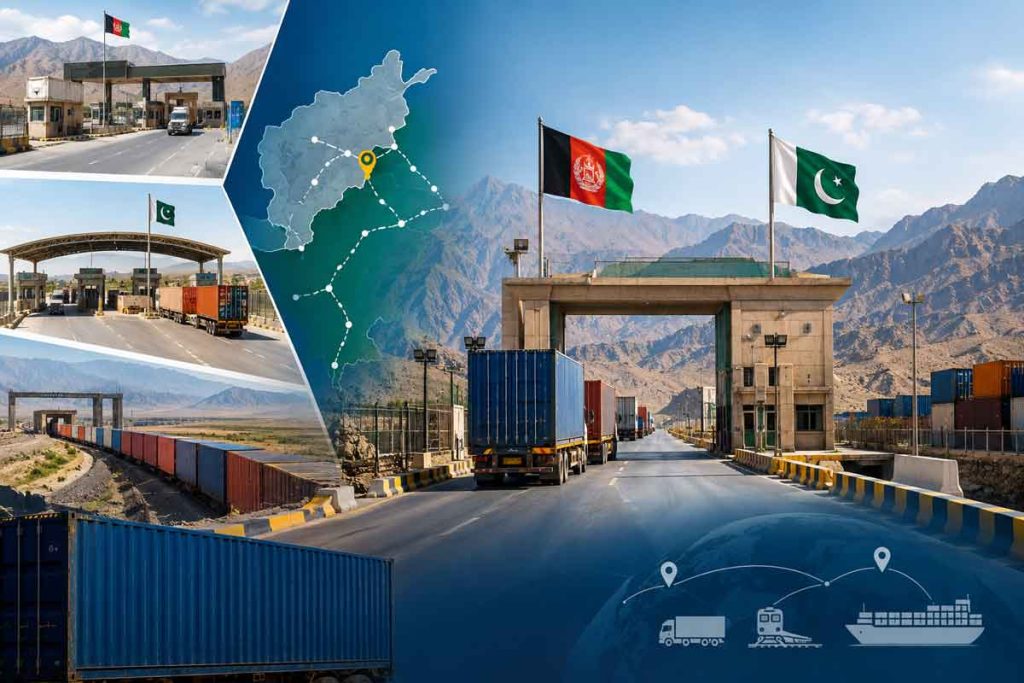
To the east, Afghanistan and Pakistan logistics plays an important role in regional fuel supply. Afghanistan has no access to open seas and depends on transit routes through Iran and Pakistan for fuel imports. Limited road infrastructure, time-consuming customs procedures and seasonal route changes make professional planning and knowledge of each border’s rules essential. See examples of completed projects on these routes in our projects and case studies section.
Safety Standards in Fuel Products Transportation
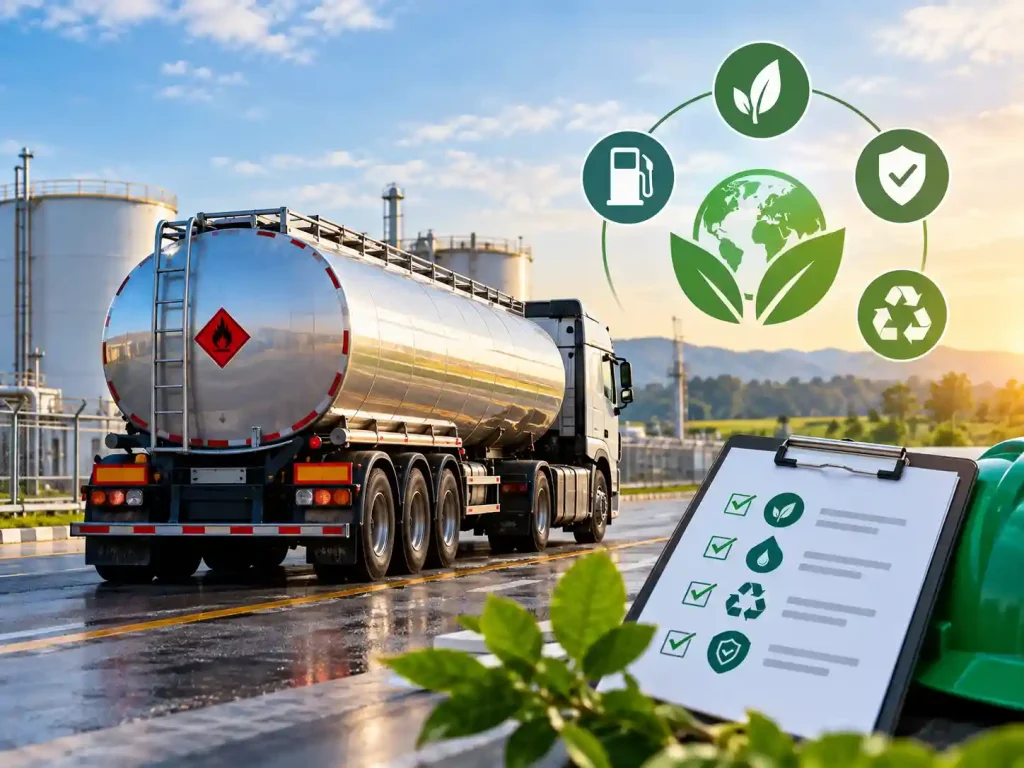
Regardless of the transport mode, HSE (health, safety and environment) principles are mandatory. The key measures are:
- Permits and documents: dangerous goods transport documents, safety data sheets (SDS) and valid insurance
- Equipment: fire extinguishers, spill containment kits, warning signs and hazard placards
- Training: dangerous goods transport courses and emergency response drills
- Monitoring: real-time fleet tracking and cargo status records
- Emergency plan: a defined scenario for leaks, fire and accidents
The Role of Technology in Fuel Transportation
Technologies such as GPS, temperature and pressure sensors, transport management systems (TMS) and digital customs platforms increase transparency and safety across the chain. These tools directly relate to the “timeliness” and “tracking and tracing” components of the World Bank’s Logistics Performance Index (World Bank LPI).
How to Choose the Right Transport Company
When selecting a logistics partner for fuel products transportation, consider these criteria:
- Experience and expertise in petroleum and dangerous goods transport
- A modern, compliant fleet with valid technical certificates
- Storage infrastructure and terminals on key routes
- Tracking systems and transparent reporting
- Clear insurance and financial commitments
- Experience in international transportation and familiarity with customs procedures
For consultation and a cost estimate, contact our experts through the contact page.
Conclusion
Fuel products transportation combines engineering, safety, cost management and route knowledge. Road transport suits flexibility and final delivery, rail suits long distances and sea suits high volumes and exports; in many projects, a smart combination of the three delivers the best result. Following safety standards, using tracking technology and working with an experienced oil and gas logistics company are the keys to reducing risk and improving efficiency. Whether you need diesel transportation on domestic routes or are planning regional transit, an informed decision starts with this understanding.