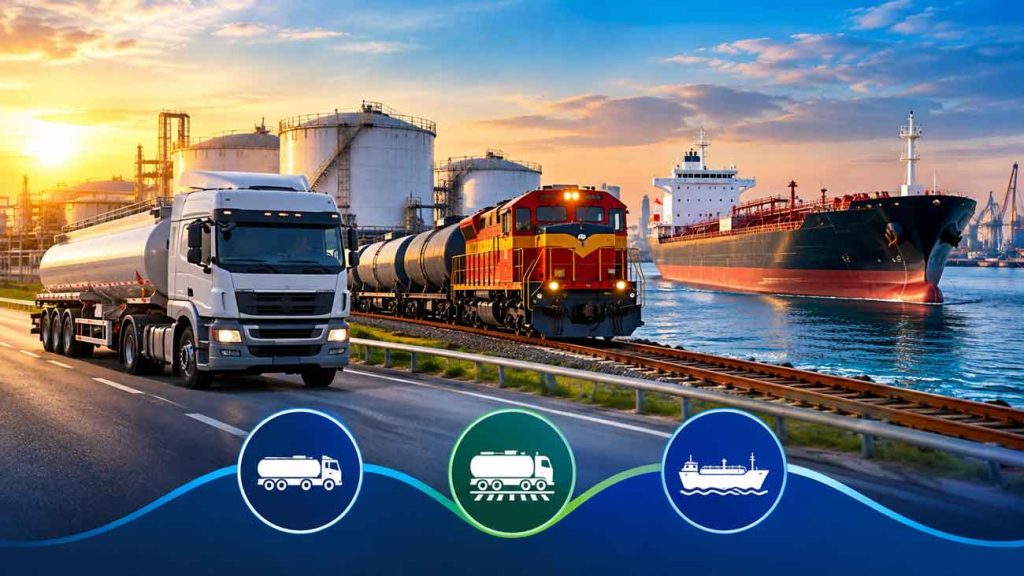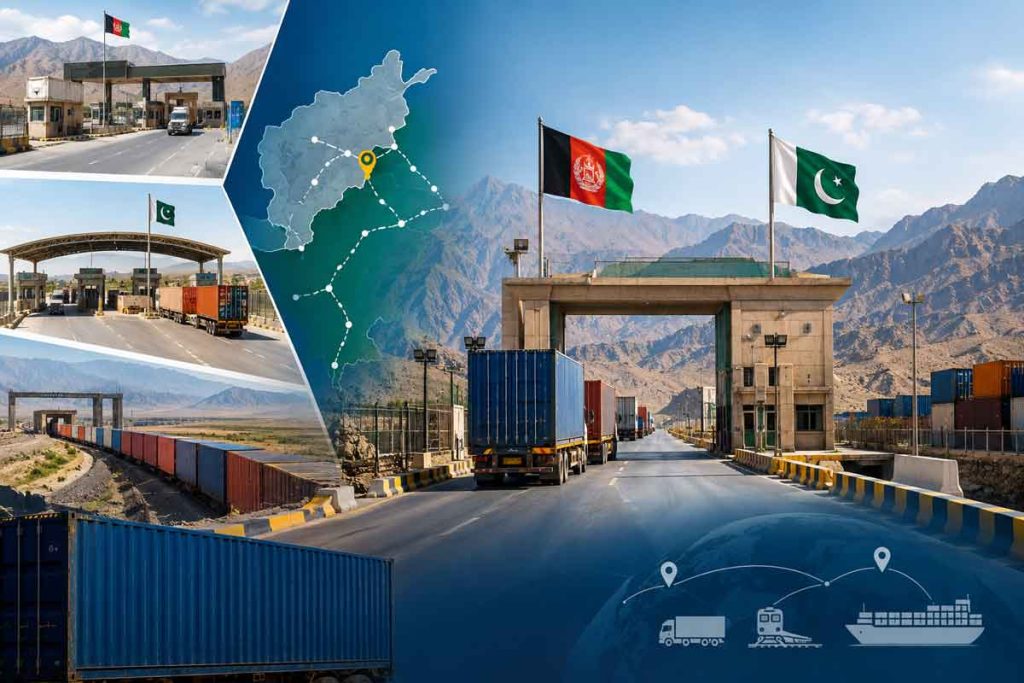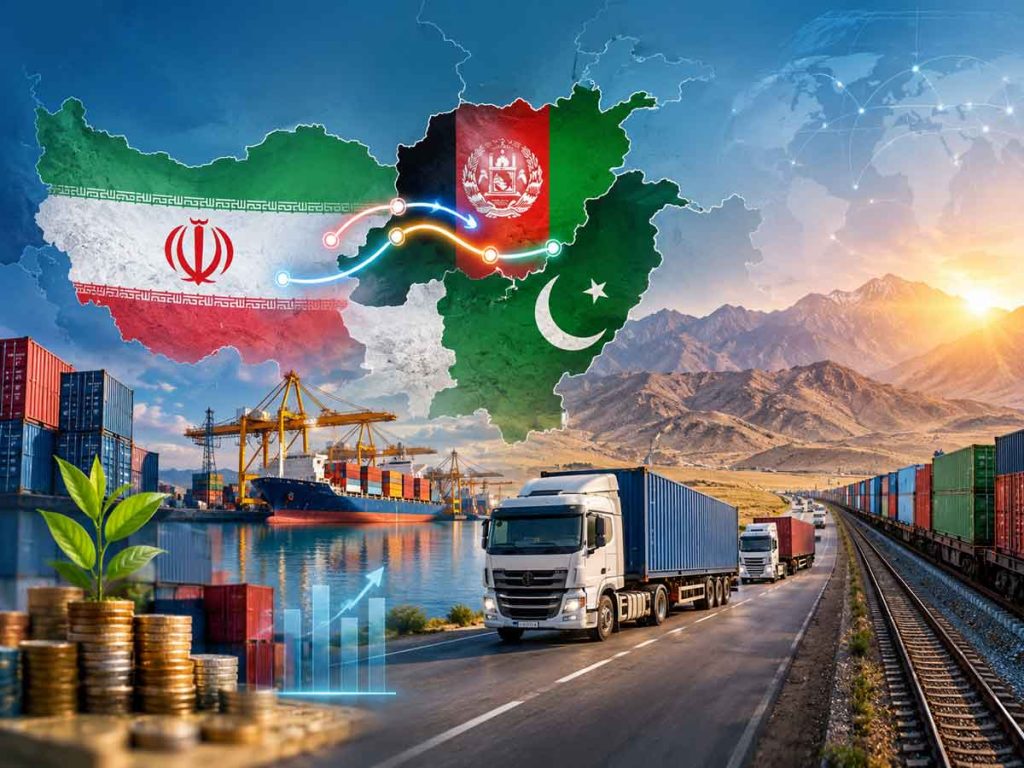


Regional Oil & Gas Logistics is one of the fields where Iran’s competitive position depends directly on infrastructure, policy, and trade relationships with its neighbors. Iran, Turkey, the UAE, and Saudi Arabia each operate in this space with different geographic and infrastructure advantages. This article examines Iran’s position in Regional Oil & Gas Logistics compared to its neighboring countries.
Why Regional Comparison Matters in Oil & Gas Logistics
- Direct competition for shared export markets: Countries in the region often compete for access to the same consumer markets — Central Asia, South Asia, and East Africa
- Differences in transit cost: Each country’s geography directly affects the cost and time required to reach a target market
- Competing for infrastructure investment: A country with stronger logistics infrastructure attracts more investment
Iran’s Position in Regional Oil & Gas Logistics
Iran’s Geographic Advantages
Iran, bordering Central Asia (via Turkmenistan), South Asia (via Afghanistan and Pakistan), and the Persian Gulf simultaneously, is one of the few countries able to reach several different export markets at once. This position is covered in detail in Afghanistan & Pakistan Logistics: A Strategic Opportunity Along Iran’s Eastern Fuel Trade Routes.
Iran’s Challenges in Regional Oil & Gas Logistics
That said, Iran faces real challenges too: limited rail infrastructure along some border routes, regulatory volatility, and the ongoing need to expand storage terminal capacity.
Comparison with Turkey
Turkey, thanks to its position as a bridge between Asia and Europe, holds a stronger position in International Transportation of energy toward European markets. Its more developed port and rail infrastructure makes it an attractive option for multinational companies. However, Turkey lacks direct access to South Asian markets like Afghanistan and Pakistan — precisely where Iran holds a clear competitive advantage.
Comparison with the United Arab Emirates
The UAE, through heavy investment in ports and free trade zones, has become one of the main hubs for re-exporting petroleum products in the Middle East. Its main advantage is speed and efficiency in customs processing; however, its greater geographic distance from Central and South Asian markets, compared to Iran’s overland routes, raises transport costs.
Comparison with Saudi Arabia
Saudi Arabia, with its focus on high-volume maritime exports, is primarily oriented toward global markets via the Persian Gulf and Red Sea — not the regional overland markets like Afghanistan or Central Asia, where Iran has more direct access.
The Role of Diesel in Regional Logistics Competition
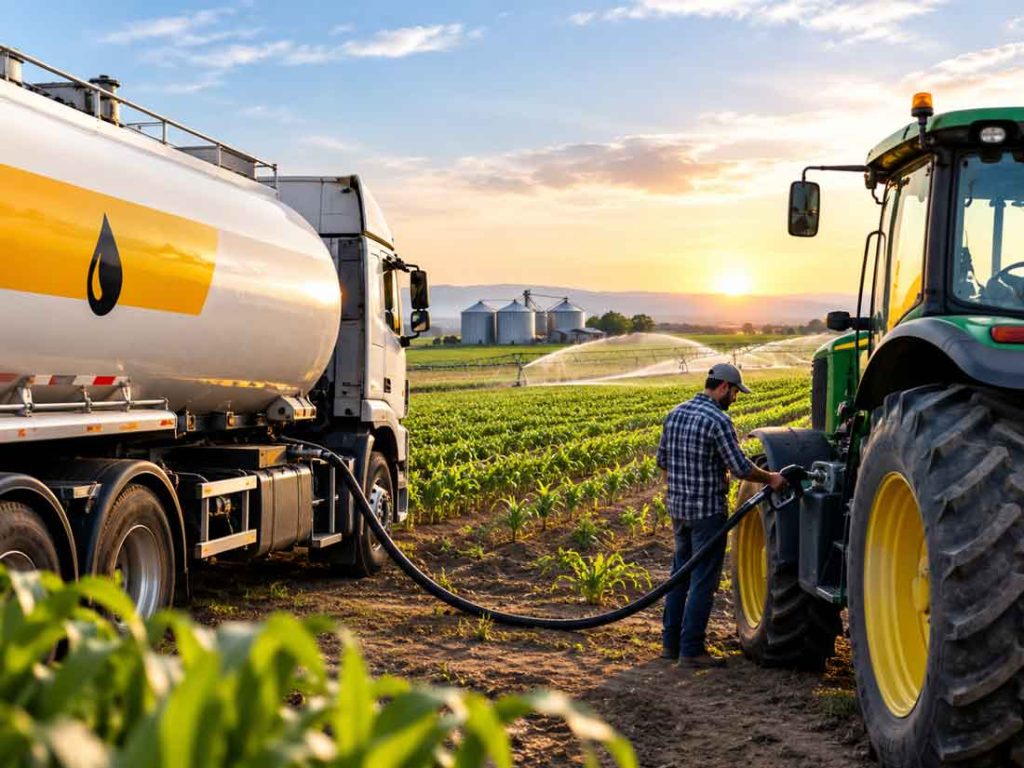
Among all products, Diesel Fuel Transportation is one of the main battlegrounds for regional competition, given the steadily rising diesel demand in countries like Afghanistan and Pakistan. Whichever country can meet this demand faster, cheaper, and more reliably captures greater market share. Learn more in Diesel Fuel Transportation: From Route Planning to Safe Delivery.
Success Factors in Regional Oil & Gas Logistics
- Border storage infrastructure: Terminals such as Sarakhs and Mahirood that allow demand fluctuations to be managed
- Route diversity: Not depending on a single route or a single destination country
- Speed of customs processes: Shorter clearance times mean greater competitiveness
- Regulatory stability: International investors and customers look for long-term predictability
- Scalable fleet capacity: The ability to respond quickly to sudden demand increases
Outlook for Regional Competition in the Coming Years
Given rising energy demand in Central and South Asia, competition among regional countries for a larger share of these markets will intensify. Countries that invest earlier in infrastructure, technology, and stable trade relationships will be better positioned to benefit from this growth. Read the full picture of this infrastructure in Oil & Gas Logistics: The Backbone of the Energy Supply Chain.
Conclusion
Regional Oil & Gas Logistics is a competitive field in which Iran, thanks to its unique geographic position — simultaneous access to Central Asia and South Asia — holds a clear competitive advantage over Turkey, the UAE, and Saudi Arabia. Fully capitalizing on this advantage, however, requires sustained investment in storage infrastructure, fleet capacity, and regulatory stability.
Khazraei Logistics, leveraging Iran’s strategic position and the Sarakhs and Mahirood terminal infrastructure, plays an active role in Regional Oil & Gas Logistics.