

Winter creates an entirely different operational environment for the fuel industry. Petroleum transport in cold weather faces technical and safety challenges that simply don’t exist in warmer months — from degraded product quality to the risk of icy roads. This article covers the key temperature-related challenges of winter fuel transport and the operational solutions used to address them.
Why Temperature Has Such a Strong Effect on Petroleum Transport
Different petroleum products react differently to low temperatures:
- Diesel: At very low temperatures, the paraffin content in diesel can begin to crystallize, increasing fuel viscosity — a phenomenon known as reaching the “cloud point”
- Gasoline: Less affected by cold than diesel, but its evaporation rate and vapor pressure change at low temperatures
- LPG: Tank pressure drops at low temperatures, which can affect the performance of the unloading system
Key Challenges in Petroleum Transport During Cold Weather
1. Reduced Flowability and Thickening of Diesel
As diesel approaches its cloud point, its viscosity rises, making pumping and unloading more difficult. In severe cases, fuel filters can become clogged.
2. Higher Risk on Icy, Snow-Covered Roads
Driving a tanker carrying a sensitive shipment on slippery roads sharply increases the risk of accidents or rollovers — a danger that carries even more serious consequences in Petroleum Products Transportation given the flammable nature of the cargo.
3. Delays on Mountain and Border Routes
Routes crossing high-altitude or mountainous terrain may be temporarily closed during winter, or require tire chains and specialized equipment.
4. Increased Risk of Fleet Equipment Freezing
Valves, fittings, and hydraulic systems on a tanker may not function normally, or may freeze entirely, at very low temperatures.
5. Reduced Visibility and Adverse Weather Conditions
Fog, snow, and heavy precipitation reduce driver visibility and shorten reaction time in emergency situations.
Operational Solutions for Safe Petroleum Transport in Cold Weather
1. Using Winter-Grade Diesel
In many markets, a winter-grade version of diesel is produced with anti-freeze additives that lower its cloud point, keeping it flowable even at sub-zero temperatures.
2. Insulating and Pre-Heating Tanker Compartments
Some modern tankers are equipped with insulation or partial tank heating systems that prevent the cargo’s temperature from dropping sharply.
3. Route Planning Based on Weather Forecasts
Checking weather forecasts before departure and preparing alternate routes reduces the risk of getting stranded in critical conditions.
4. Equipping the Fleet with Winter Gear
Tire chains, winter tires, and emergency kits (such as portable heaters) should be installed and ready on the fleet before the cold season begins.
5. Specialized Driver Training for Winter Conditions
Drivers without sufficient experience on icy roads should complete specialized winter driving training courses.
6. Pre-Season Fleet Technical Inspection
A full check of the brake system, battery, season-appropriate engine oil, and tanker valves is essential before winter begins.
Special Challenges on Mountainous and Border Routes
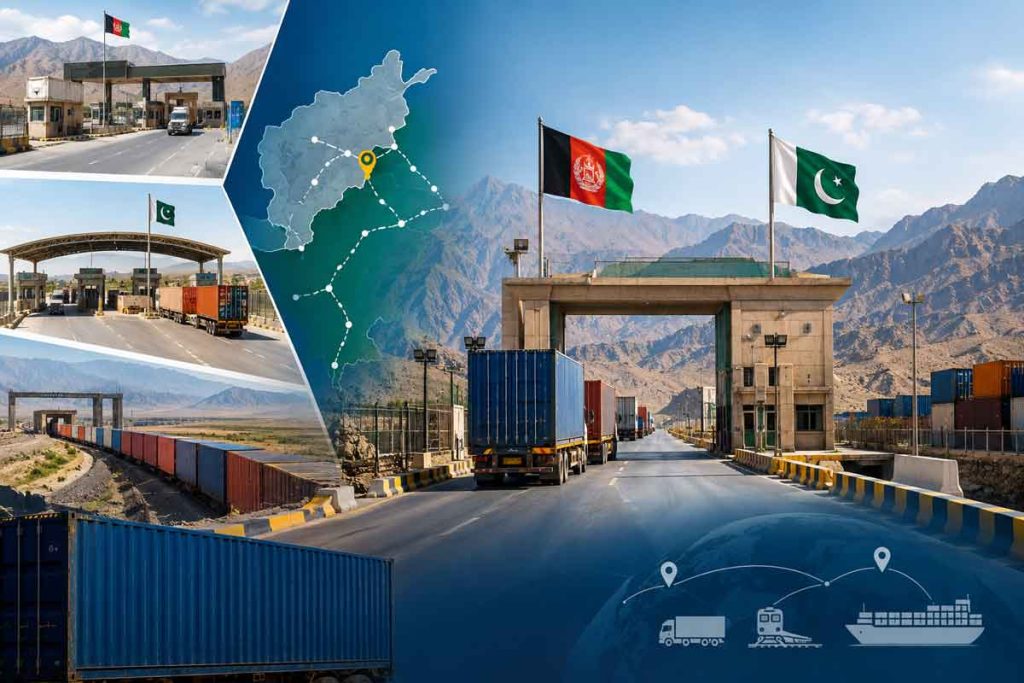
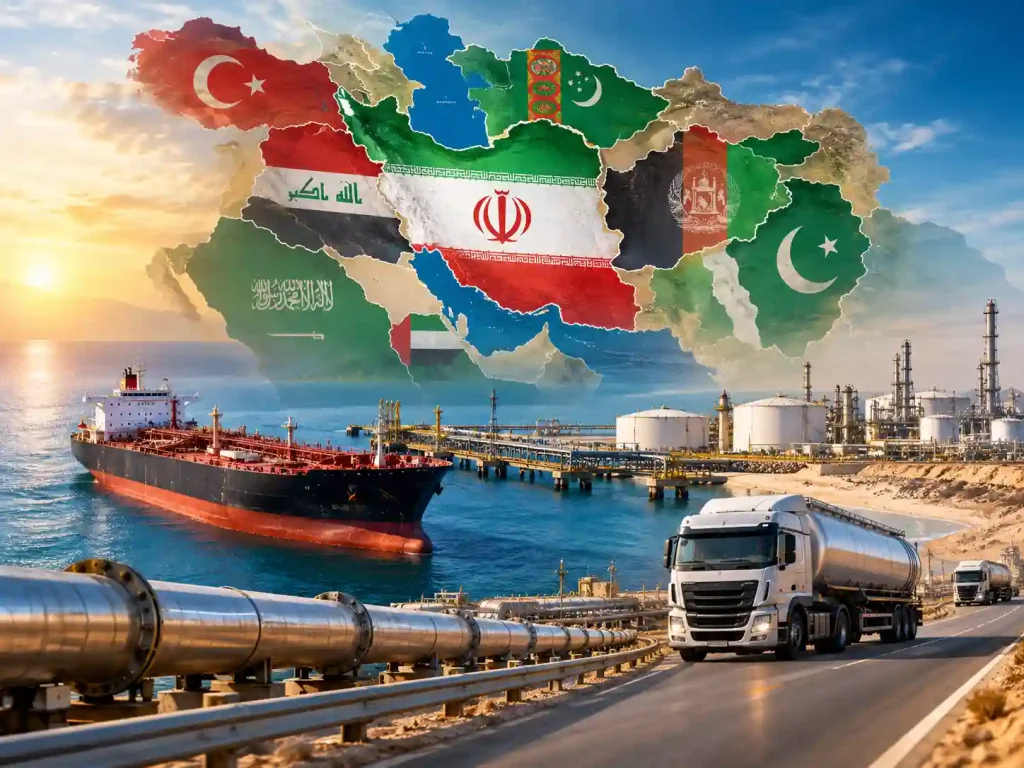
Routes such as Afghanistan & Pakistan Logistics, which cross high-altitude and mountainous areas, face a double risk in winter — both temporary road closures and reduced access to emergency services if something goes wrong. More conservative scheduling on these routes becomes especially important during the cold season.
Why This Matters Especially for Diesel Fuel Transportation
Since Diesel Fuel Transportation accounts for a large share of winter road traffic (driven by rising heating and industrial demand in the cold season), managing temperature-related challenges carries added weight for this product. Learn more about this type of shipment in Diesel Fuel Transportation: From Route Planning to Safe Delivery.
How Stable Infrastructure Reduces Seasonal Risk
Strong Oil & Gas Logistics infrastructure — including an equipped fleet, storage terminals near the border, and an experienced operational team — plays a key role in reducing the impact of seasonal challenges. Read the full picture in Oil & Gas Logistics: The Backbone of the Energy Supply Chain.
Conclusion
Petroleum transport in cold weather requires a combination of fleet technical preparation, smart route planning, and specialized driver training. Companies that prepare ahead of time for winter challenges not only reduce accident risk but also maintain fuel supply chain stability during the toughest months of the year.
Khazraei Logistics, with a fleet equipped for winter conditions and precise seasonal planning, transports petroleum products safely and on time even in the most difficult weather.