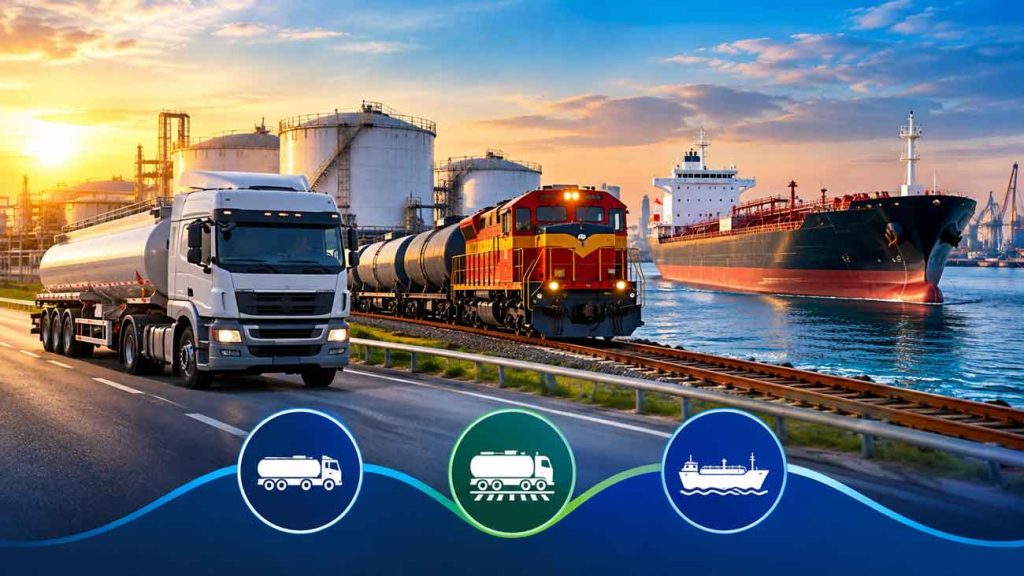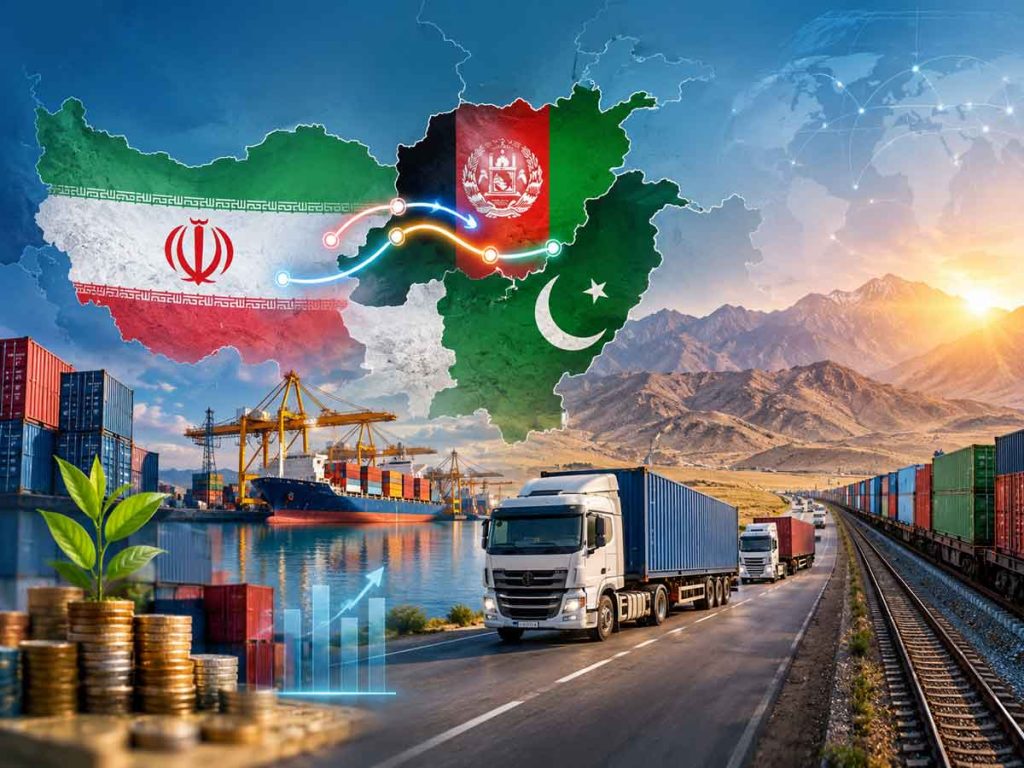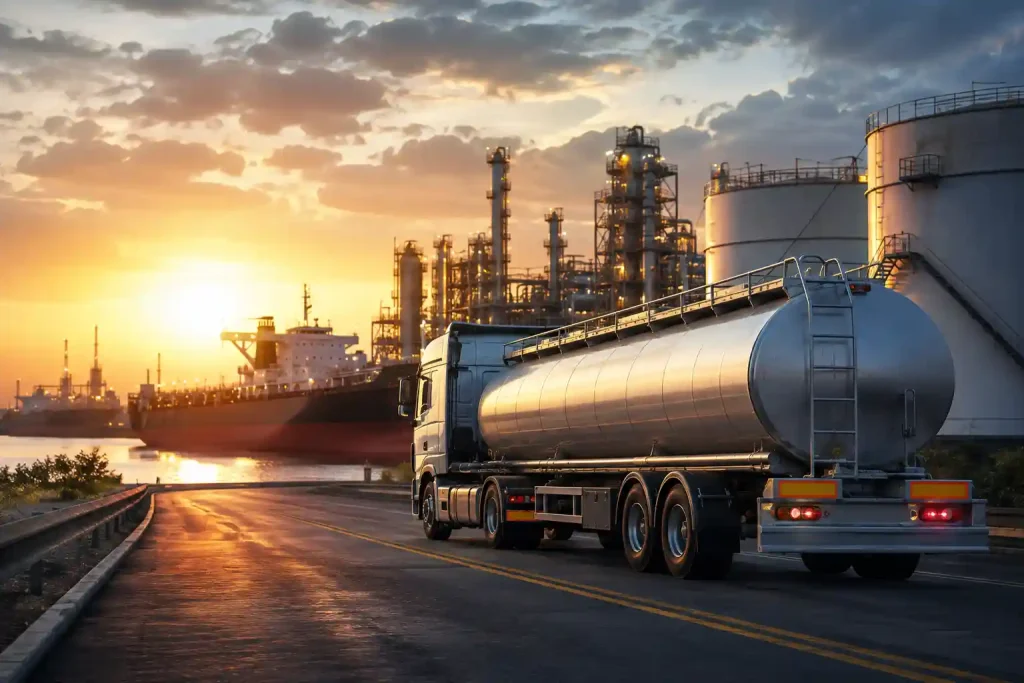


Given the high value of fuel shipments and the many risks along the route, insurance for International Transportation of petroleum products is one of the core pillars of risk management in this industry. Many companies see insurance as merely a legal requirement or a peripheral cost, when in fact the right policy can be the difference between a recoverable loss and a severe financial hit at the moment of crisis. This article covers the types of insurance coverage needed and key considerations for choosing a policy in international transportation.
Why Insurance Matters for International Transportation of Petroleum Products
- High value per shipment: A large fuel shipment can be worth several million dollars
- Multiple route risks: From road accidents to border incidents, adverse weather, or even theft
- Multi-country legal liability: In International Transportation, liability for damages may be split across several legal jurisdictions
- Customer contractual requirements: Many international customers treat a valid insurance policy as a precondition for signing a contract
Types of Insurance Coverage in International Fuel Transportation
1. Carrier Liability Insurance
This covers the transport company’s liability for damage to or loss of cargo while in transit.
2. Fleet/Vehicle Insurance
Covers damage to the tanker or transport vehicle itself, whether from an accident, fire, or serious mechanical failure.
3. Cargo Insurance
Separate from fleet insurance, this specifically covers the value of the transported product itself against damage, leakage, or loss.
4. Environmental Liability Insurance
Given the pollution risk from fuel leaks, this type of insurance covers cleanup costs and environmental damage compensation.
5. Delay/Demurrage Insurance
In some contracts, costs arising from extended shipment delays (such as a border holdup) can also be insured.
Key Considerations When Choosing a Policy
- Carefully review coverage limits: Make sure the policy covers the exact product type and true value of the shipment
- Watch for policy exclusions: Many policies exclude incidents caused by war, sanctions, or specific natural disasters
- International standing of the insurer: For cross-border routes, the insurer must also be recognized in destination countries
- Alignment with customs documentation: The policy should be consistent with other shipment documents (bill of lading, certificate of origin) so that claims aren’t complicated when a loss occurs
Insurance on Higher-Risk Regional Routes
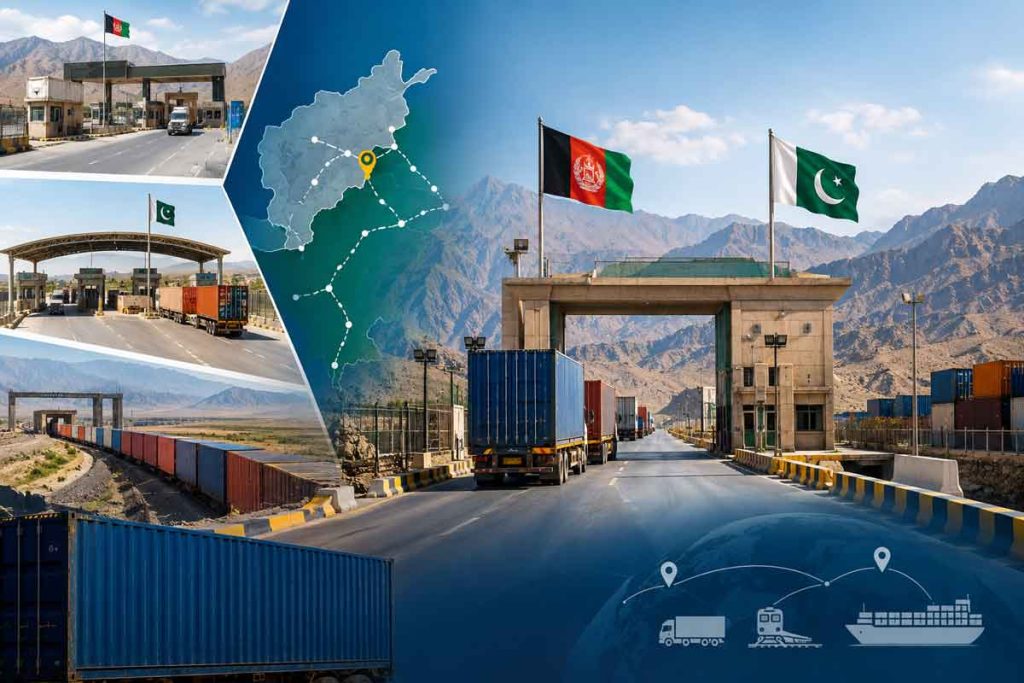
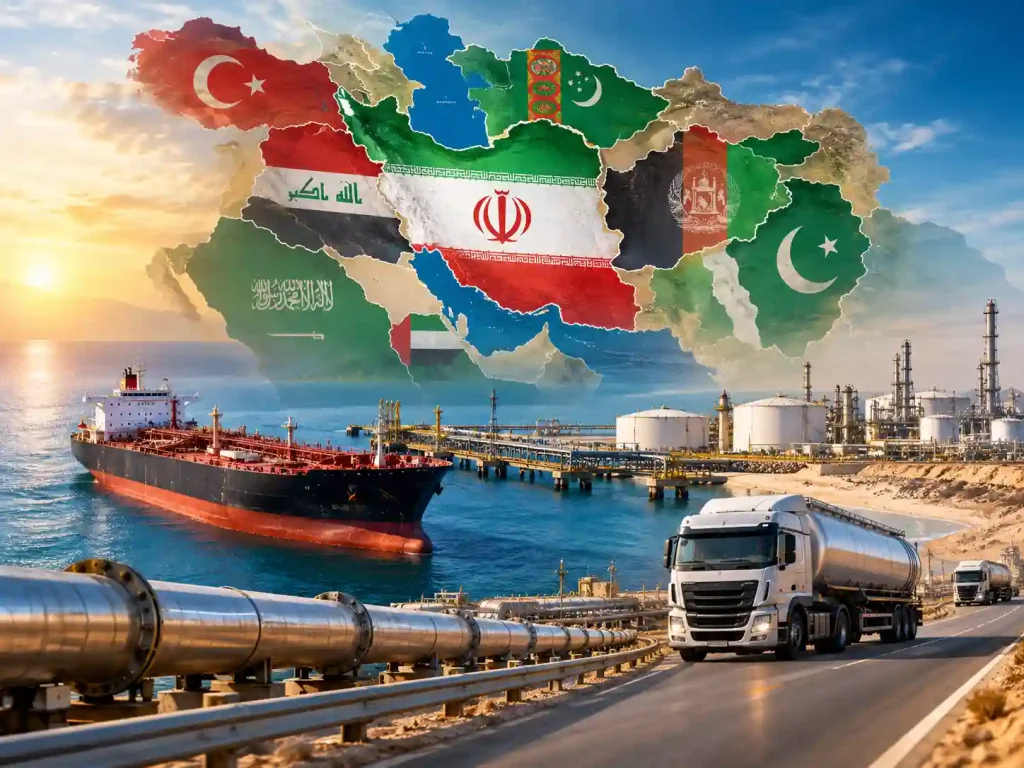
On routes such as Afghanistan & Pakistan Logistics, premiums are typically higher than on standard routes due to security volatility and variable road conditions. Companies with a long track record and a low incident rate on these routes can usually negotiate better insurance terms.
Insuring High-Volume Shipments: The Diesel Example
In Diesel Fuel Transportation, where shipment volumes are typically large, precision in determining the insured value matters especially — underestimating a shipment’s value can lead to incomplete compensation when a loss occurs. Learn more about this type of shipment in Diesel Fuel Transportation: From Route Planning to Safe Delivery.
How Insurance Connects to the Wider Transport Process
Insurance isn’t a standalone document; it’s part of a larger risk-management system that includes the quality of Petroleum Products Transportation, fleet safety standards, and precise documentation. A company that performs poorly in these areas typically faces higher premiums, or even a refusal of coverage by the insurer.
Common Mistakes in International Transportation Insurance
- Choosing a policy purely on lowest price, without reviewing actual coverage
- Failing to update the insured value in line with fluctuating global fuel prices
- Lack of alignment between the insurance policy and customs documentation
- Overlooking environmental liability coverage on higher-risk routes
Conclusion
Insurance for International Transportation of petroleum products is more than a legal requirement — it’s a critical layer of financial risk management that can determine a logistics company’s survival at the moment of crisis. Careful selection of coverage type, reviewing exclusions, and aligning the policy with other shipment documentation are the three pillars of a successful insurance strategy.
Khazraei Logistics, through full alignment of cargo insurance with shipping documentation and safety standards, minimizes financial risk for its customers on international routes.