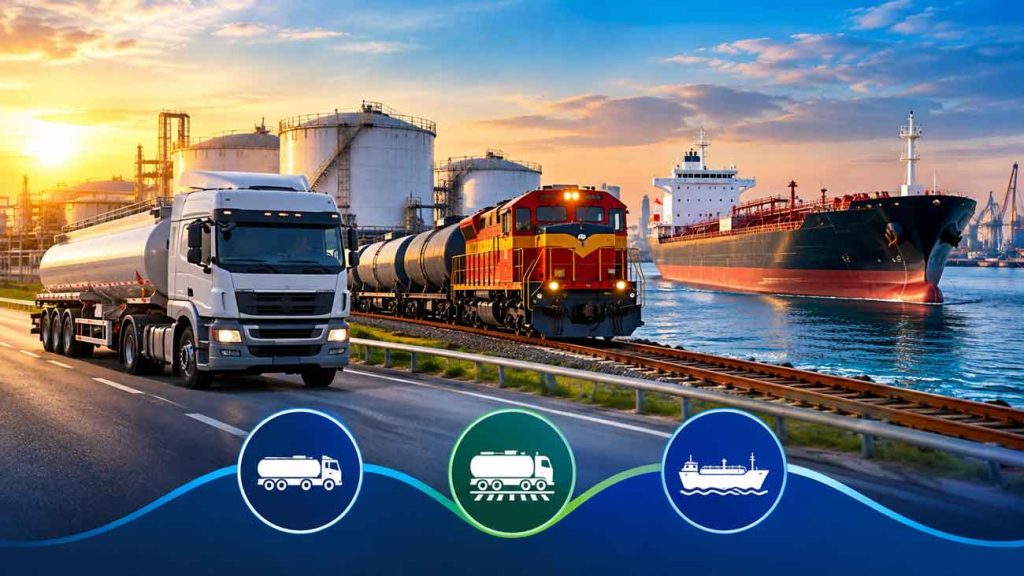


When people think about the cost of fuel transport, they usually think of fleet fuel prices, driver wages, and the base shipping rate. But hidden costs in fuel transport — costs that don’t appear in the original contract but still eat into final profitability — often make up a significant share of a shipment’s real cost. This article covers the most important of these hidden costs and practical ways to reduce them.
Why Hidden Costs in Fuel Transport Get Overlooked
- Short-term cost thinking: Many companies only account for direct, predictable costs
- Scattered cost sources: Hidden costs typically come from several different sources (delays, wear, penalties) rather than a single line item on an invoice
- Cumulative effect over time: Each hidden cost looks small on its own, but adds up to a significant figure over a year and across hundreds of shipments
The Most Significant Hidden Costs in Fuel Transport
1. Border and Customs Wait Time
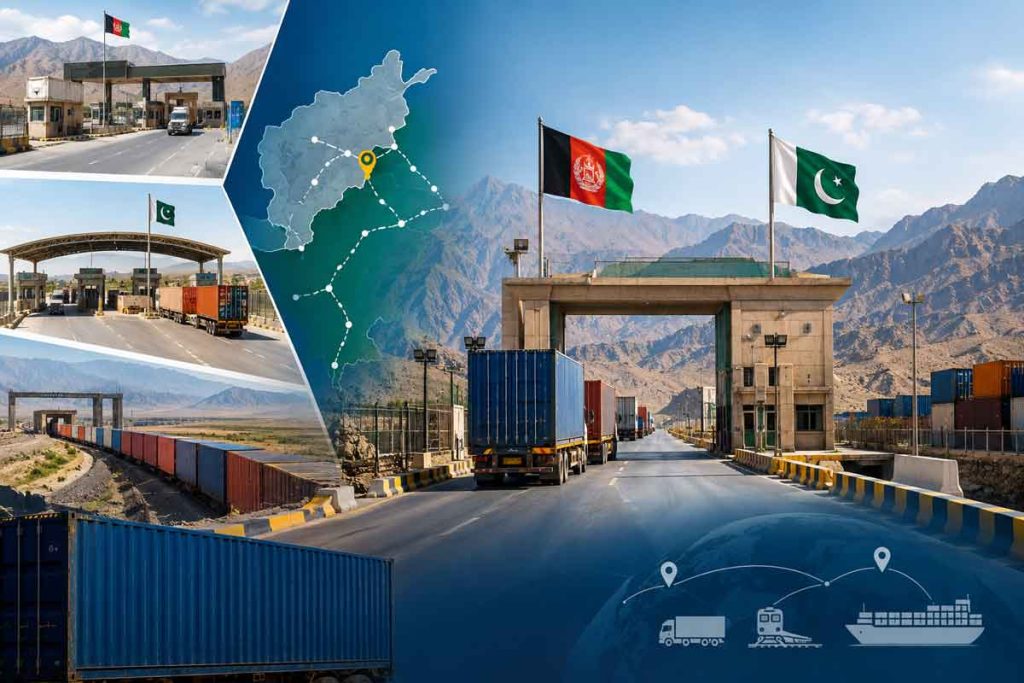
One of the largest hidden costs in International Transportation is the time a tanker spends idle at a border, producing no value. This time carries both an opportunity cost (the fleet asset that could be carrying the next shipment) and a direct cost (driver wages, idle fuel consumption).
2. Premature Fleet Wear
High-traffic routes or poor road conditions accelerate equipment wear. This cost usually doesn’t appear on any single trip’s invoice, but shows up later in repair costs and a shortened fleet lifespan.
3. Late-Delivery Penalties
Contracts with delay-penalty clauses can impose costs that weren’t accounted for in the original planning if a shipment arrives late for any reason — even one outside the transport company’s control.
4. Insurance Costs for Higher-Risk Shipments
Routes with greater security or road risk typically carry higher insurance premiums — a cost that’s often only noticed when the policy comes up for renewal.
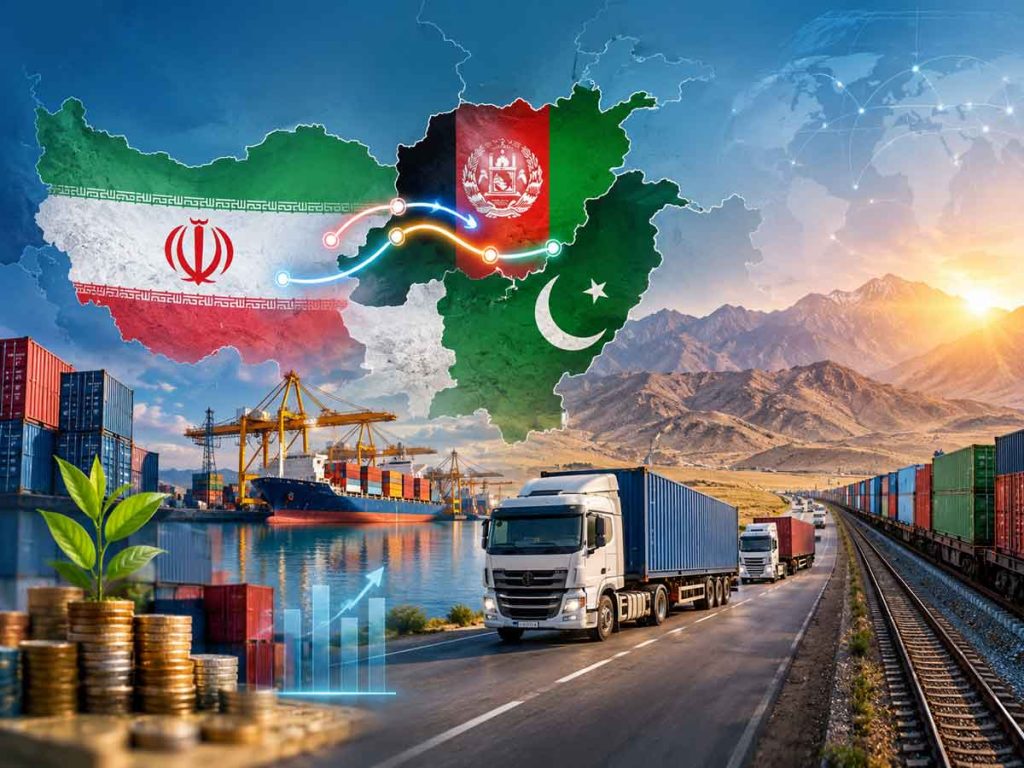
5. Currency Fluctuation and Imported Parts Costs
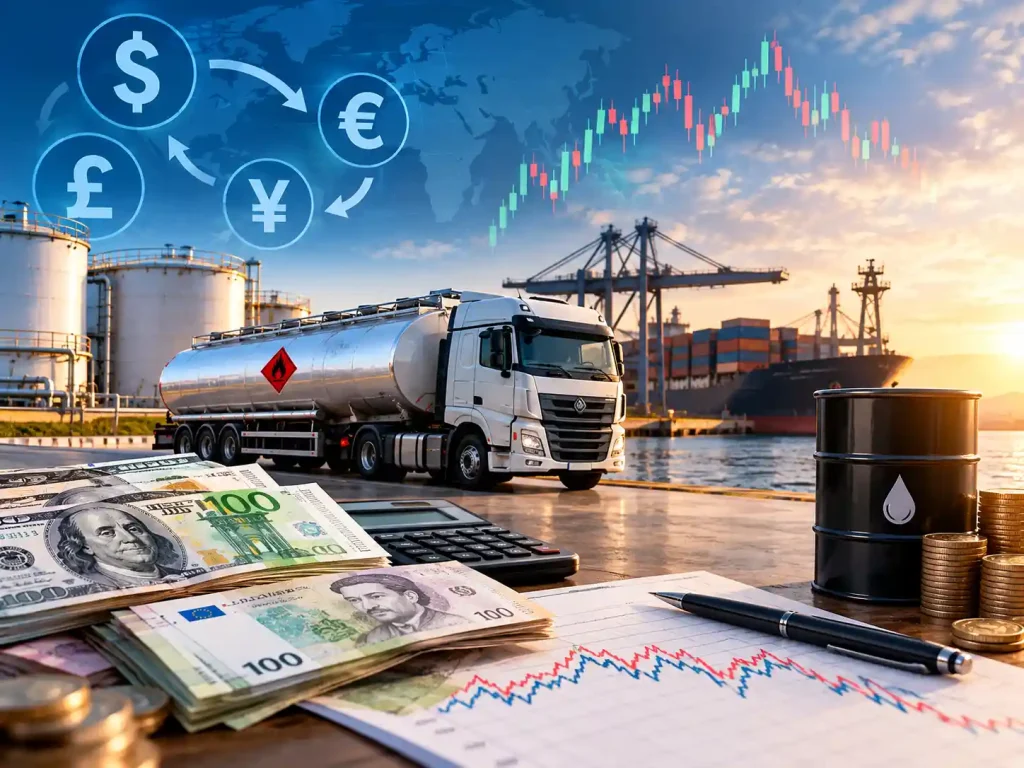
As covered in Currency Fluctuation and Its Impact on International Fuel Transport Costs, exchange-rate shifts can unexpectedly raise the cost of spare parts and certain permits.
6. Documentation Costs and Customs Error Corrections
An incomplete or incorrect document can cause a shipment to be held up, along with the cost of correcting paperwork and potential fines — a cost that is entirely preventable.
Practical Solutions for Reducing Hidden Costs
1. More Precise Route and Schedule Planning
Reducing unnecessary wait time is the most direct way to cut hidden border and customs costs. This requires advance coordination with border authorities and fully prepared documentation.
2. Preventive Fleet Inspection and Maintenance
Investing in periodic inspection creates a short-term cost, but prevents the much larger costs of emergency repairs and premature fleet wear.
3. Diversifying Fleet and Routes
Dependence on a single route or a limited fleet raises the risk of hidden costs when something unexpected goes wrong. Diversification spreads this risk out.
4. Clear Contract Negotiation on Penalty Clauses
Reaching clear agreement on when delay penalties apply — particularly for circumstances outside the transporter’s control, such as a temporary border closure — prevents unfair costs from being imposed.
5. Digitizing Documentation and Customs Processes
Reducing human error in document preparation directly cuts costs associated with corrections or shipment holdups.
Hidden Costs on Regional Routes: The Afghanistan and Pakistan Example
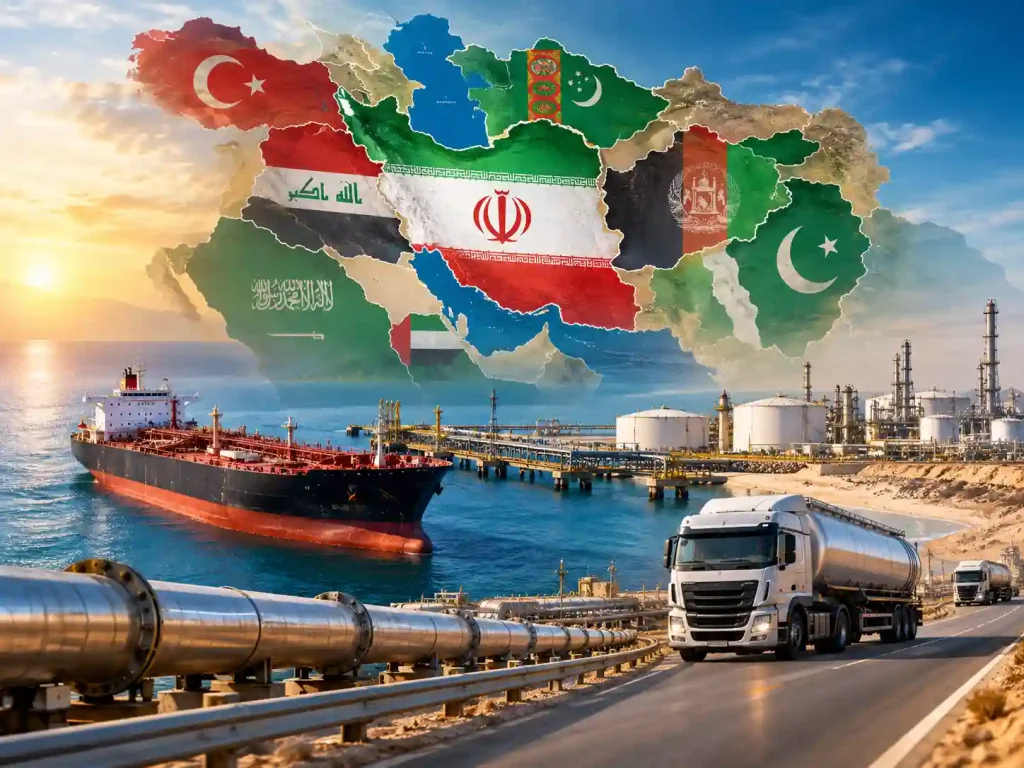
Routes such as Afghanistan & Pakistan Logistics, which cross multiple legal jurisdictions, are more prone to hidden costs — including the need to coordinate with different security and customs authorities. A thorough understanding of local conditions on these routes is one of the most effective tools for anticipating and reducing these costs.
Hidden Costs in High-Volume Shipments: The Diesel Example
In high-volume shipments such as Diesel Fuel Transportation, even small hidden costs add up to a significant figure over a year, given how frequently these trips repeat. Learn more about this type of shipment in Diesel Fuel Transportation: From Route Planning to Safe Delivery.
How Stable Infrastructure Reduces Hidden Costs
Strong Oil & Gas Logistics infrastructure — including a modern fleet, strategically located storage terminals, and an experienced operational team — directly reduces many of these hidden costs at the source. Read the full picture in Oil & Gas Logistics: The Backbone of the Energy Supply Chain.
Conclusion
Hidden costs in fuel transport may look small and scattered at first glance, but together they can significantly reduce a contract’s profitability. Companies that systematically identify, track, and manage these costs not only achieve better profitability but also gain greater predictability in their financial planning.
Khazraei Logistics, through precise route planning, a standardized fleet, and active documentation management, minimizes hidden costs in fuel transport for its customers.