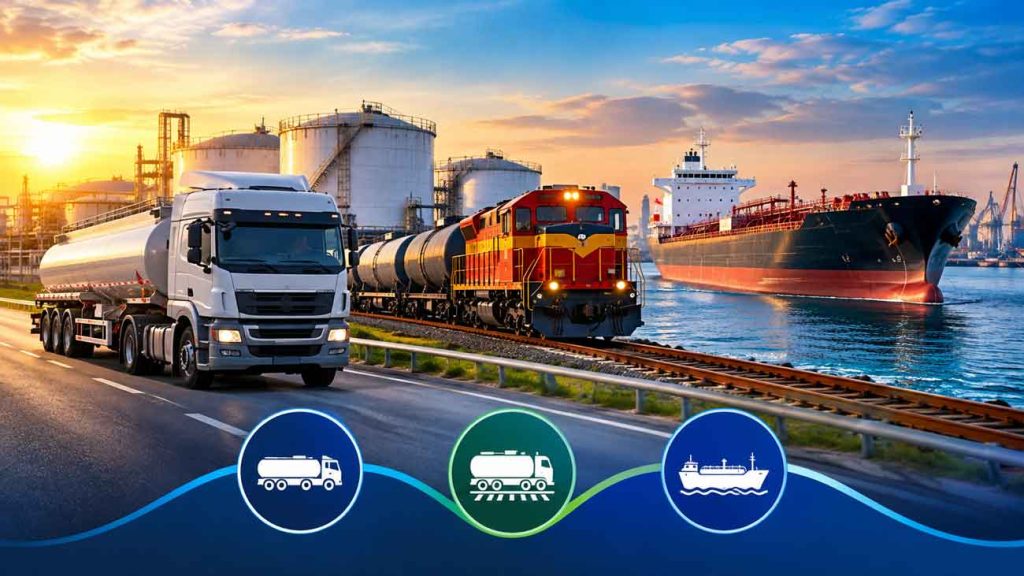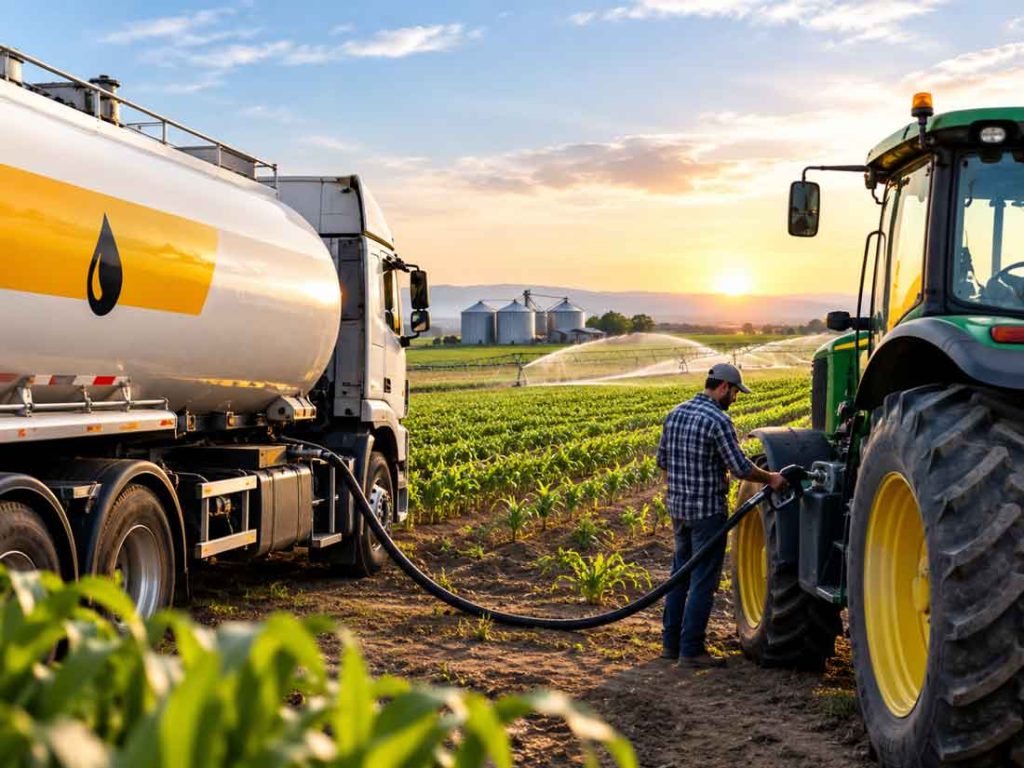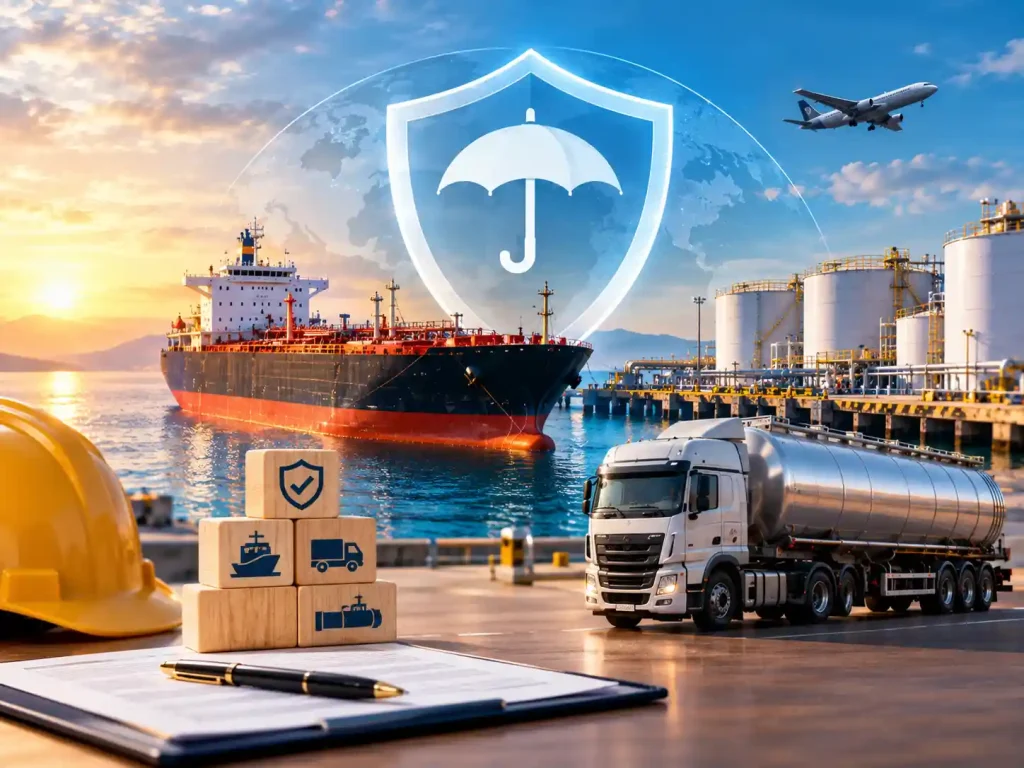


Oil & Gas Logistics is the discipline that makes the entire energy supply chain possible. Unlike most other industries, oil and gas cannot function without a precise, safe, and tightly coordinated logistics chain. From the moment a fuel shipment leaves its source until it reaches the end consumer or export market, dozens of operational, safety, and time-sensitive variables must be managed simultaneously — and that is exactly what Oil & Gas Logistics is built to handle.
Why Oil & Gas Logistics Is a Distinct Specialization
Transporting fuel and petroleum products is fundamentally different from moving general cargo. This difference shows up in several ways:
- Safety and technical standards: Fleets must be equipped and maintained according to flammable-materials transport standards.
- Specialized documentation and permits: Every fuel shipment, from origin to destination, requires a chain of customs, transit, and safety approvals.
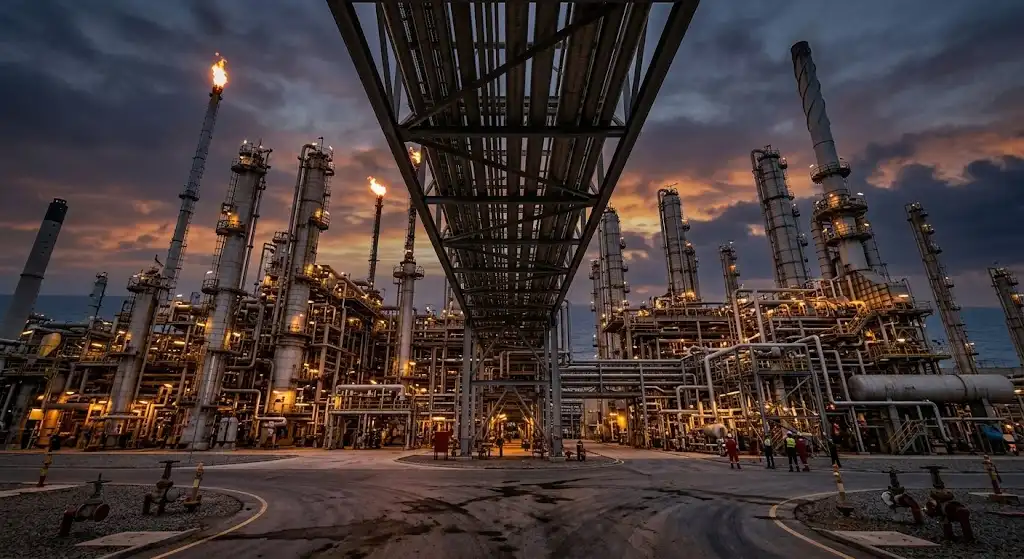
- Dedicated storage infrastructure: Without standardized storage terminals, scheduling loading and unloading is practically impossible.
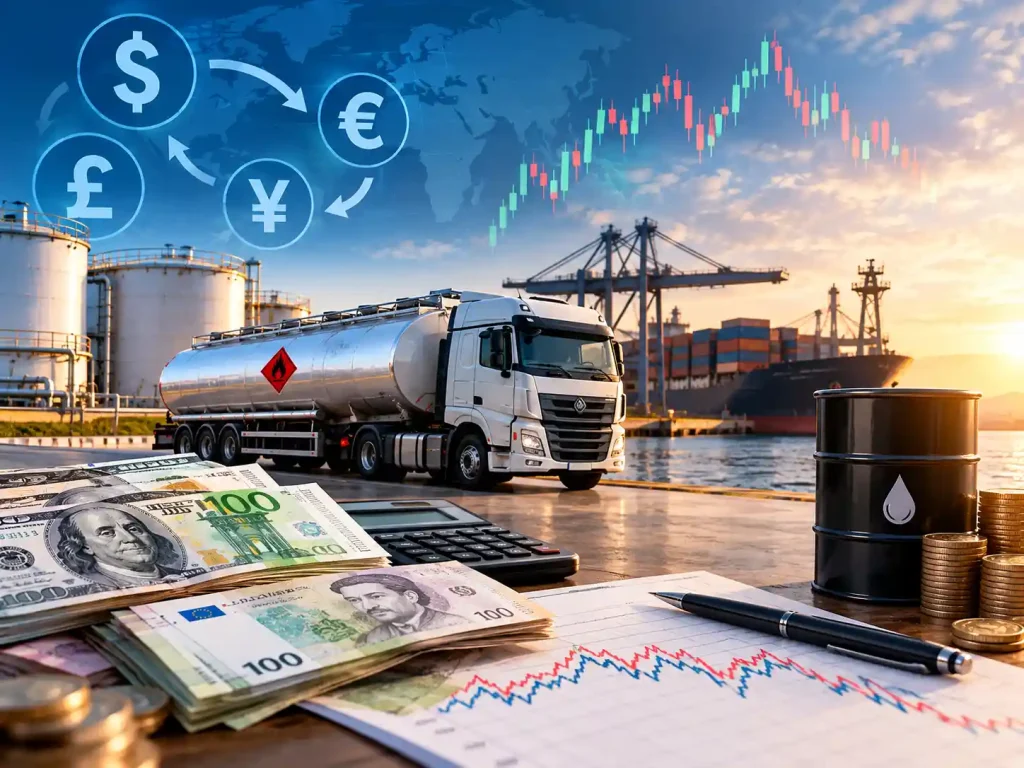
- Time sensitivity: Energy market fluctuations sharply raise the opportunity cost of any delay in transport.
The Role of Infrastructure in Oil & Gas Logistics
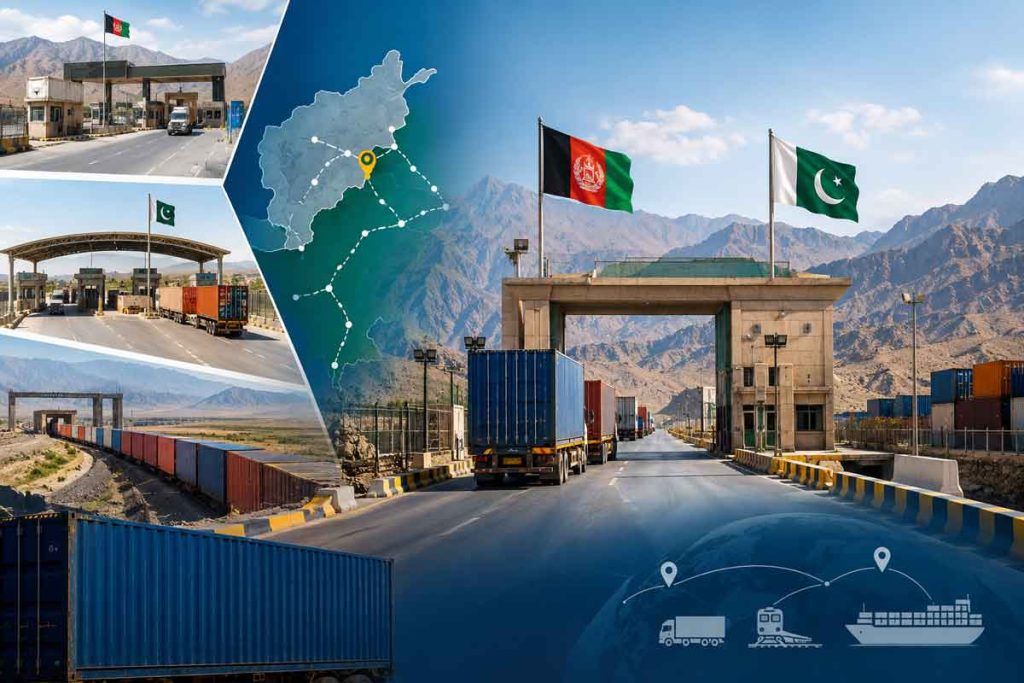
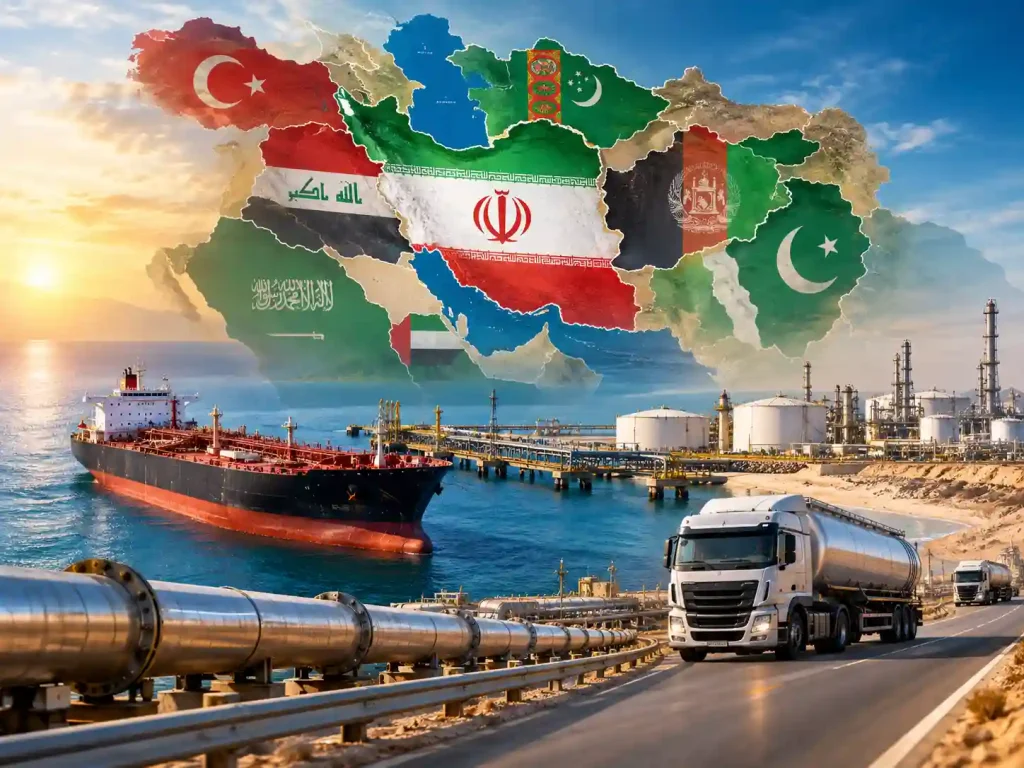
One of the deciding factors in a successful Oil & Gas Logistics operation is the presence of storage terminals close to borders and transit routes. Terminals located in special economic zones such as Sarakhs and Mahirood, for example, act as a strategic bridge between domestic production and export markets in eastern Iran. Read more about this infrastructure in our article on Afghanistan & Pakistan Logistics.
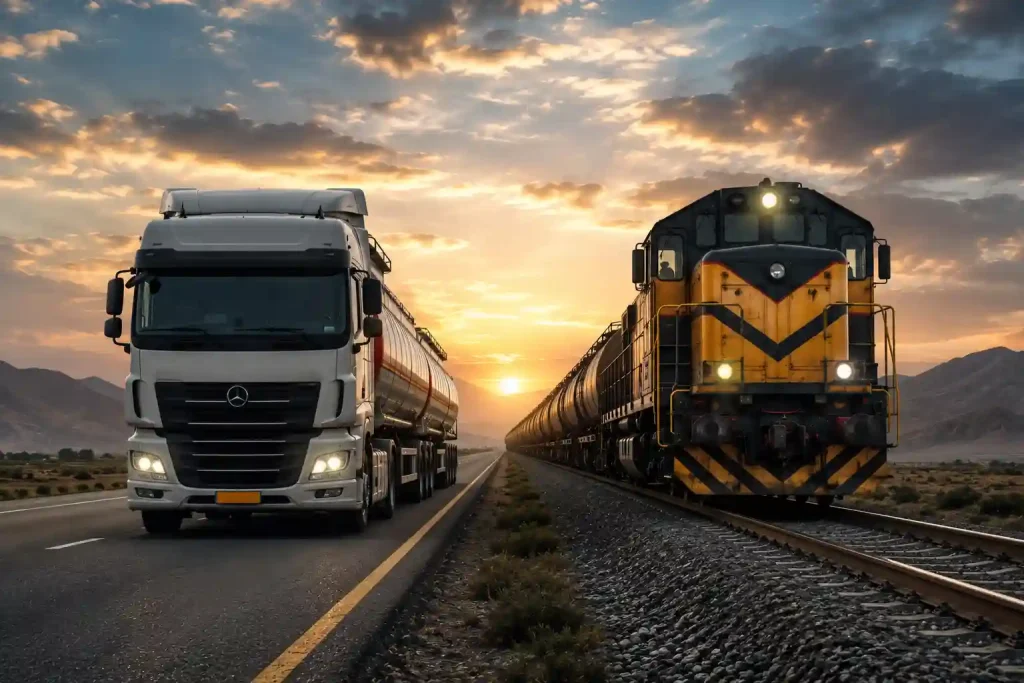
Alongside fixed infrastructure, the transport fleet itself must match the volume and variety of products handled. A large, modern tanker fleet allows simultaneous coverage of multiple routes and multiple product types — diesel, gasoline, kerosene, and LPG — reducing the risk of dependency on a single route or a limited fleet.
Core Components of an Efficient Oil & Gas Logistics Chain
- Transport planning: Determining the optimal route based on border, road, and seasonal conditions
- Terminal and tank management: Coordinating loading and unloading schedules with actual tank capacity
- Real-time fleet monitoring: Tracking shipments to reduce delay risk and confirm cargo integrity
- Documentation and customs management: Speeding up clearance processes and reducing border wait times
- HSE safety compliance: Full adherence to safety, environmental, and health standards at every stage
For a closer look at how a single high-volume product moves through this chain, see Diesel Fuel Transportation: From Route Planning to Safe Delivery.
Iran’s Position in Regional Oil & Gas Logistics
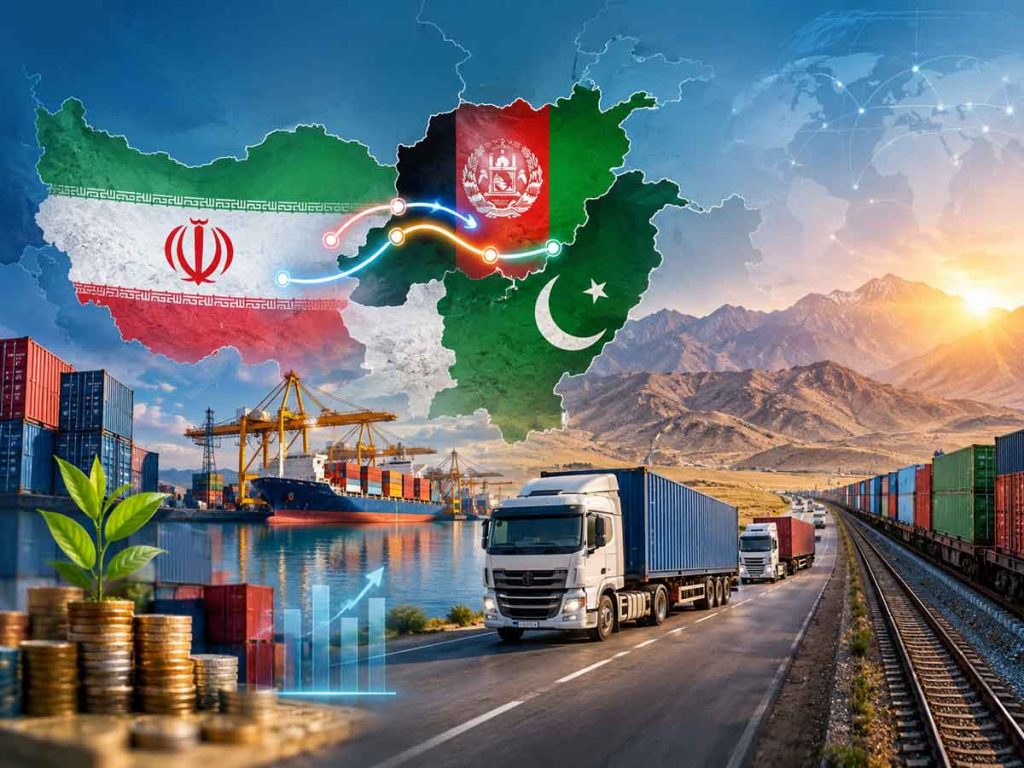
Iran’s geography places it at one of the region’s key energy transit nodes. The country’s eastern land routes — particularly the crossings linked to Central Asia and South Asia — give logistics companies the opportunity to act as the bridge between producers and consumer markets. This is especially visible in International Transportation corridors serving Afghanistan and Pakistan. Companies that combine a large fleet, border storage terminals, and operational experience in handling sensitive products are today in a stronger competitive position than smaller players. Global energy trade trends can be tracked through resources such as the International Energy Agency (IEA).
From Oil & Gas Logistics to Petroleum Products Transportation
Oil & Gas Logistics is not limited to a single product. Petroleum Products Transportation spans diesel, gasoline, kerosene, and LPG, each with its own handling and safety requirements — but all managed within the same underlying logistics framework of fleet, terminals, and route planning.
Conclusion
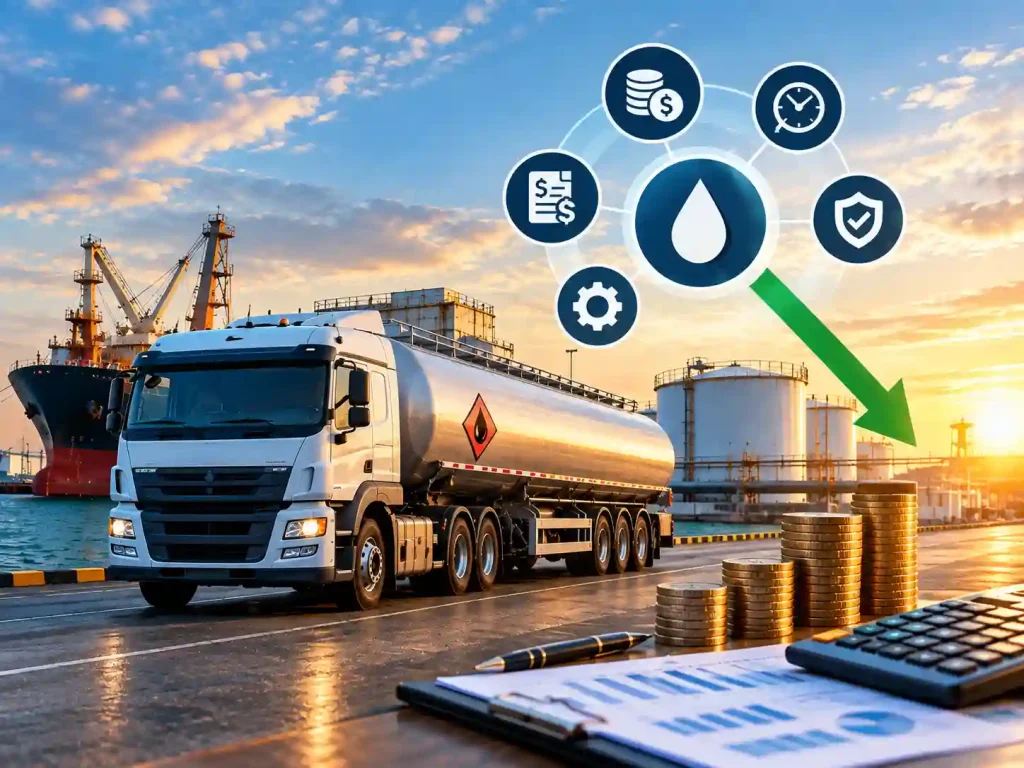
Oil & Gas Logistics is not simply “moving cargo.” It is a combination of route engineering, risk management, regulatory compliance, and specialized infrastructure. Companies that manage these four components in an integrated way can both reduce supply chain costs and guarantee delivery reliability for their domestic and international customers.
Khazraei Logistics provides specialized Oil & Gas Logistics services, including a dedicated tanker fleet and storage terminals, for domestic and international customers.