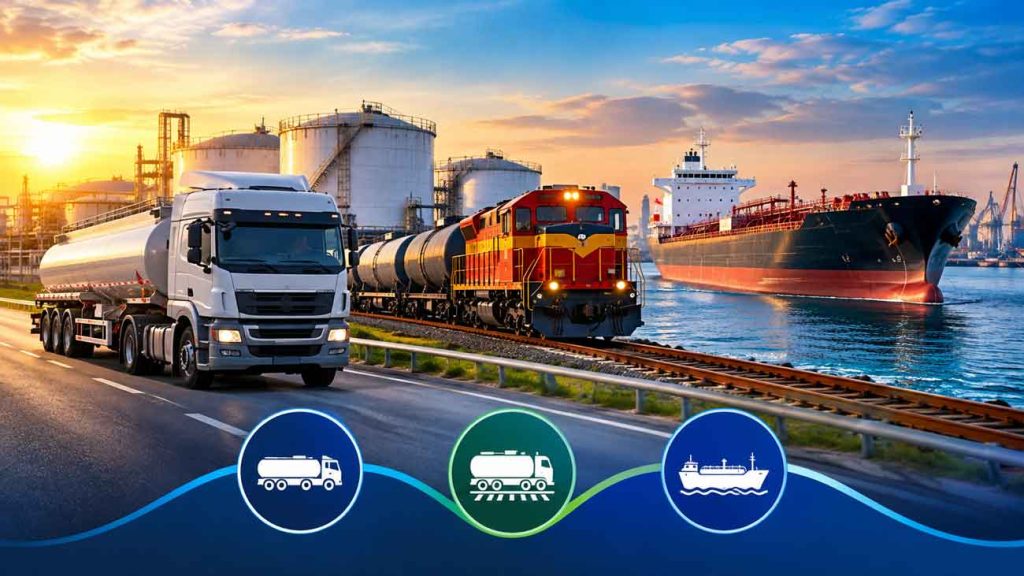


Choosing a transport method is one of the strategic decisions every fuel trading company has to make. When it comes to cross-border routes, International Road Transportation and rail transport are the two main options available. Each comes with its own advantages and constraints, and choosing correctly has a direct impact on cost, delivery time, and supply chain reliability. This article compares the two methods across several dimensions.
Why the Road-vs-Rail Choice Matters on International Routes
Unlike domestic transport, which usually offers more limited options, decisions around International Road Transportation and rail require weighing several factors at once:
- Existing infrastructure in the origin, transit, and destination countries
- Shipment volume and product type
- The customer’s required delivery timeline
- Total supply chain cost, not just direct transport cost
Advantages of International Road Transportation
Road transport is the most common method for moving petroleum products along regional routes. Its main advantages include:
- Route flexibility: Access to locations without rail infrastructure
- Fast setup: No need for costly fixed infrastructure to begin operations
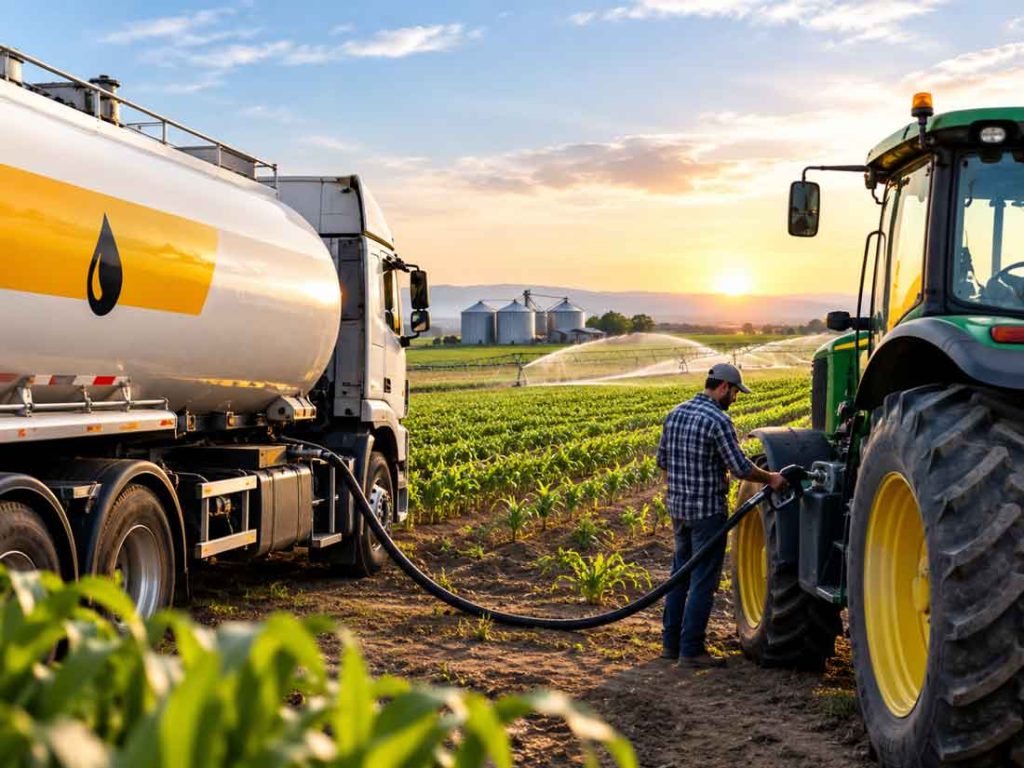
- Door-to-door delivery: Cargo can be delivered directly to the terminal or final point of use
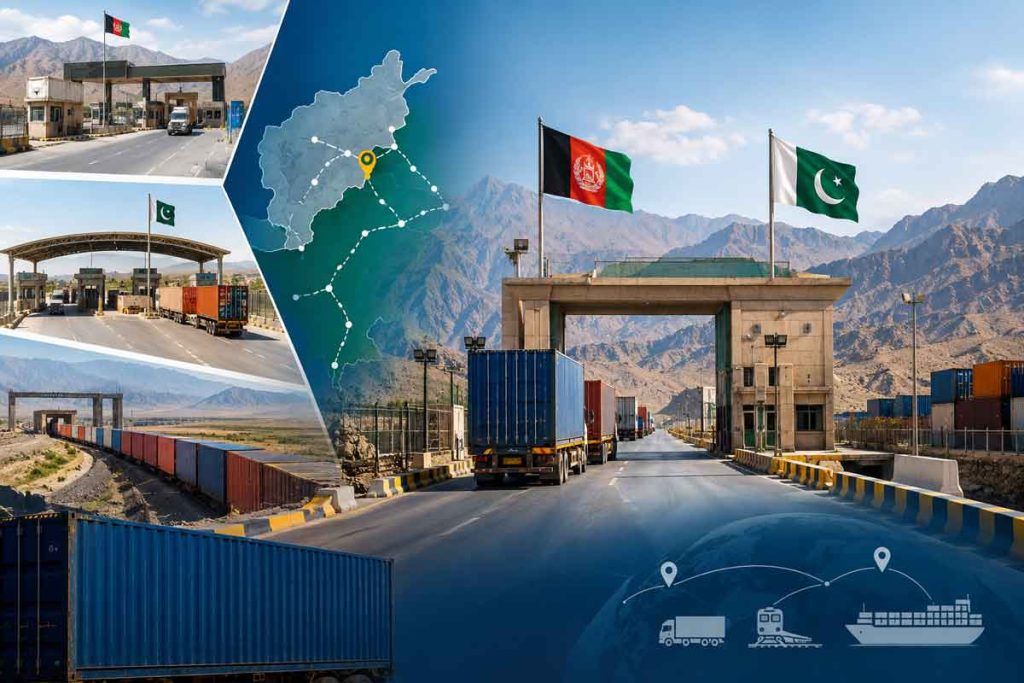
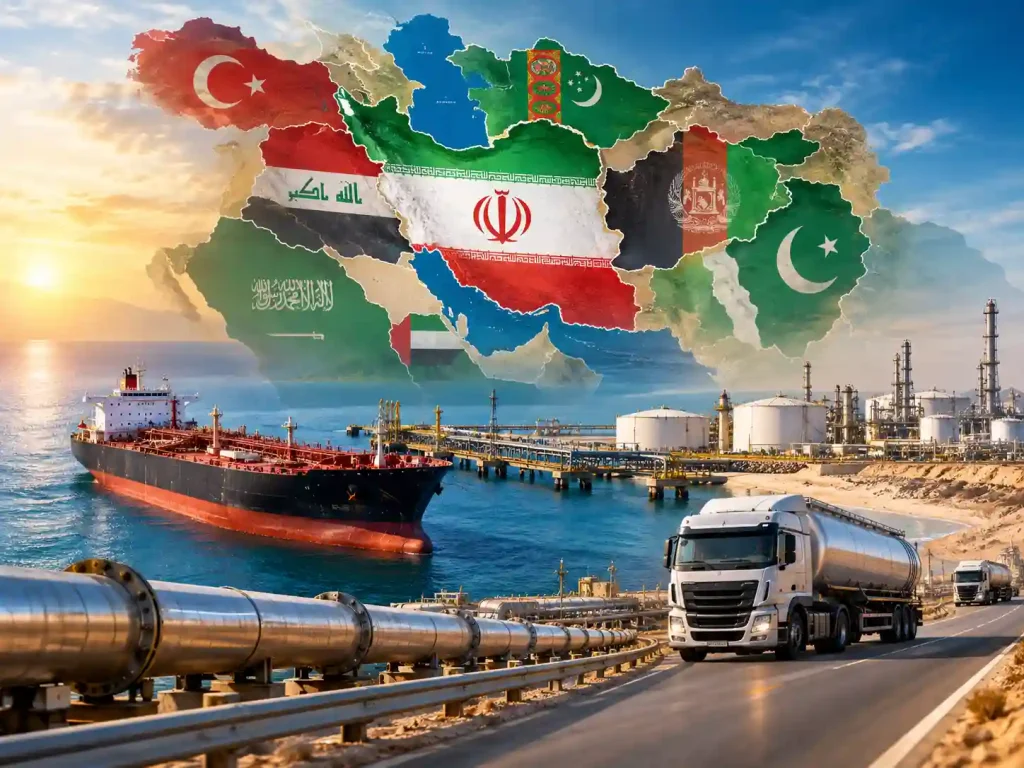
- Suited to border routes without rail lines: Particularly relevant on routes like Afghanistan & Pakistan Logistics, where rail networks are limited or incomplete
That said, International Road Transportation has limitations too, including lower per-shipment capacity compared to rail and greater dependence on road quality and traffic conditions in transit countries.
Advantages of Rail Transport on International Routes
Rail transport, particularly via routes such as Sarakhs, which connects to the Central Asian rail network, offers a different set of advantages:
- Much higher capacity: A single train movement can carry a large volume of product
- Lower cost per unit volume over long distances
- Relatively higher safety on long intercity routes, due to fewer vehicles on the road
- Reduced exposure to road traffic and border congestion
The main limitation of this method is its dependence on rail infrastructure existing at both origin and destination — something that remains underdeveloped along many of Iran’s eastern border routes.
Comparison Table: International Road Transportation vs. Rail
| Criterion | Road Transport | Rail Transport |
|---|---|---|
| Route flexibility | High | Limited to the rail network |
| Capacity per shipment | Moderate | Very high |
| Cost over long distances | Higher | Lower |
| Speed of service setup | Fast | Requires infrastructure |
| Suited to final delivery | Yes | No (requires complementary transport) |
| Suited to routes without rail lines | Yes | No |
Which Method Fits Diesel Fuel Transportation Best?
For Diesel Fuel Transportation, which involves high consumption volumes spread across a wide geography, a combination of both methods usually delivers the best results: rail for moving large volumes over long distances between main terminals, and road for final distribution from terminals to scattered destinations. Read more in Diesel Fuel Transportation: From Route Planning to Safe Delivery.
The Role of These Methods in Petroleum Products Diversity
The choice between road and rail isn’t limited to diesel. Petroleum Products Transportation — covering gasoline, kerosene, and LPG — may also require different methods depending on volume, distance, and destination infrastructure. Companies able to manage both methods simultaneously have greater flexibility in meeting varied customer needs.
Decision Factors for Choosing an International Transport Method
When designing a supply chain, these factors should be considered:
- Total route distance: Rail is usually more cost-effective over long distances
- Existing infrastructure at origin and destination: Without a rail line, road is the only option
- Shipment volume: Very large shipments are better suited to rail
- Required delivery time: Road transport generally offers more flexibility for urgent deliveries
- Total chain cost: Loading, unloading, and complementary transport costs must all be factored in
Shared Infrastructure Behind Both Methods
Whether road or rail is chosen, neither functions properly without strong logistics infrastructure underneath it. Storage terminals, a standardized fleet, and an experienced operational team form the common foundation for both methods. This infrastructure is part of the broader Oil & Gas Logistics system; read more in Oil & Gas Logistics: The Backbone of the Energy Supply Chain.
The Future of Combined Transport on International Routes
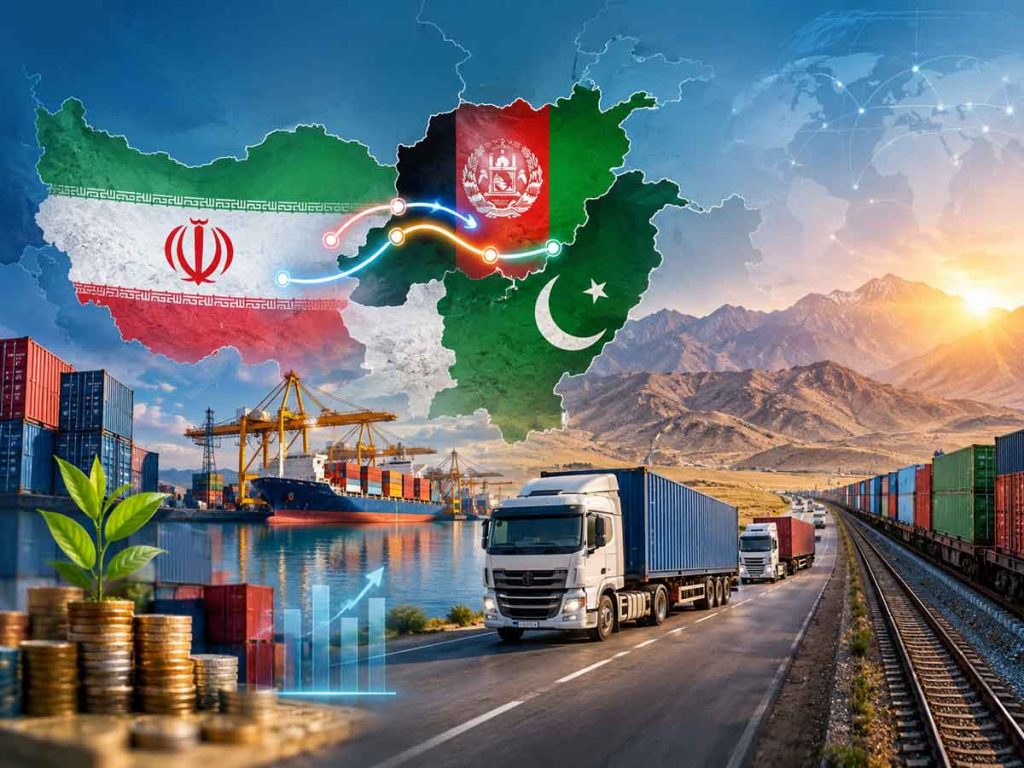
As rail infrastructure gradually develops along some of Iran’s eastern routes, combined transport — rail for the main distance, road for final distribution — is expected to grow in the coming years. This trend could reduce total supply chain costs while increasing capacity to meet rising demand across the region. For more on global energy transport trends, see reports from the International Energy Agency (IEA).
Conclusion
Neither International Road Transportation nor rail is universally superior — the right choice depends on route, volume, infrastructure, and required timing. Successful companies in this field typically avoid relying on a single method, instead combining both intelligently based on the conditions of each route to optimize cost while maintaining delivery reliability.
Khazraei Logistics, with a specialized road fleet and access to the Sarakhs and Mahirood border terminals, provides an optimal combination of international transport methods for its customers.