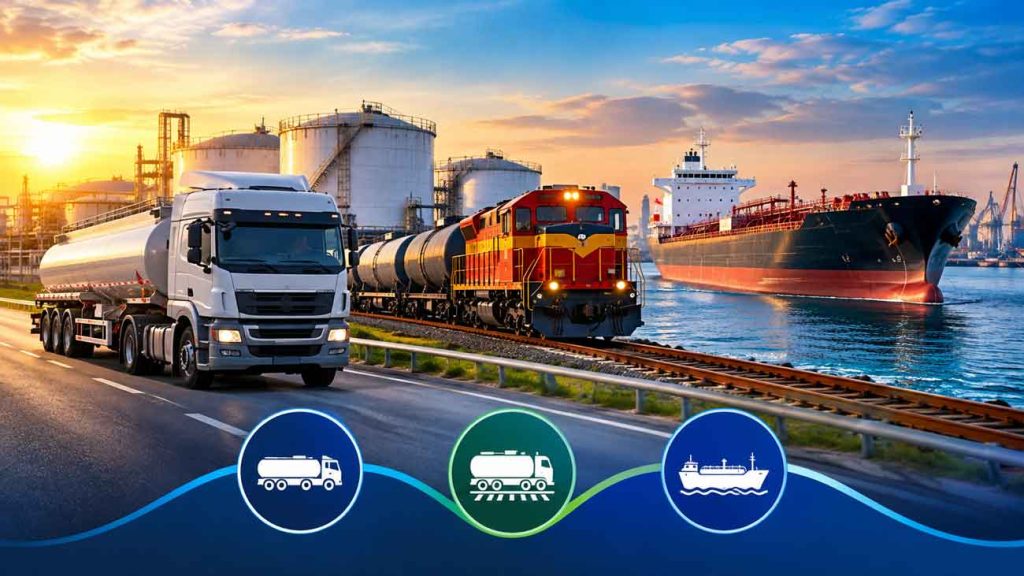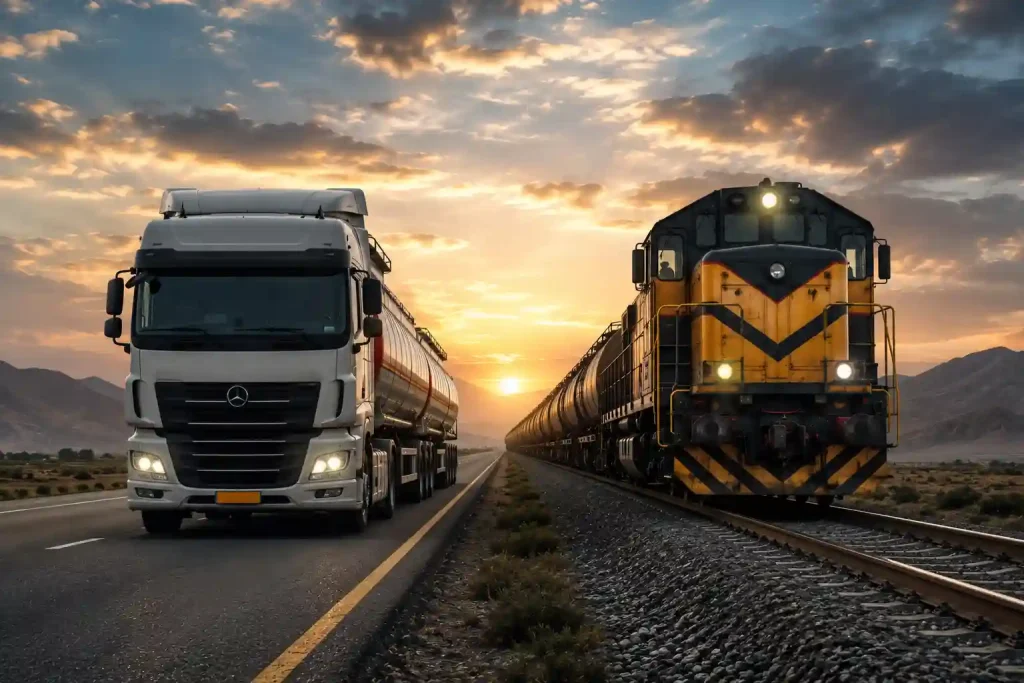


Diesel is one of the most widely used petroleum products across industry, transportation, and agriculture, which makes Diesel Fuel Transportation one of the highest-volume and most frequent segments of the fuel supply chain. Contrary to common assumption, moving this product is not simply about shifting large quantities from one point to another — it requires precise planning, standardized equipment, and careful scheduling at every stage.
What Makes Diesel Different to Transport?
- High consumption volume: Requires a fleet with enough capacity to keep up with continuous market demand
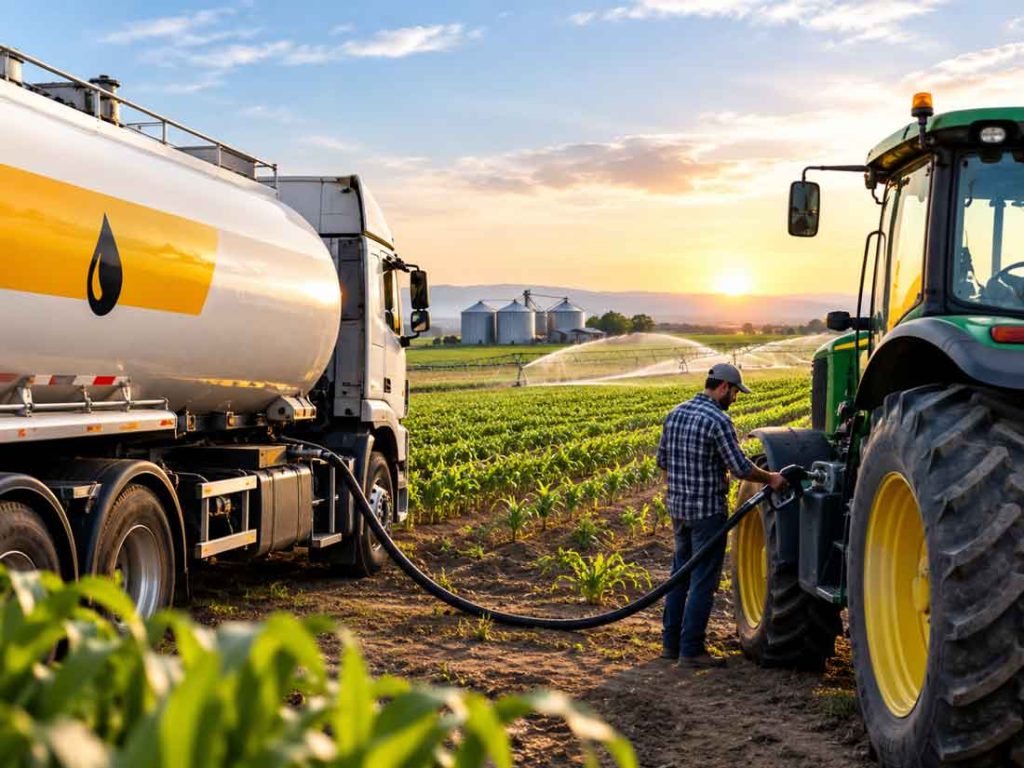
- Wide industrial and transit use: From fueling transport fleets to industrial and agricultural applications
- Lower volatility than gasoline: Diesel is relatively less flammable, but full compliance with flammable-materials safety standards is still required
Key Stages of a Standard Diesel Fuel Transportation Operation
- Demand estimation and volume planning: Coordinating terminal capacity, market demand, and shipment scheduling
- Fleet preparation: Technical inspection of tankers, leak checks, and safety equipment readiness
- Loading at the terminal: Precise volume measurement and complete loading documentation
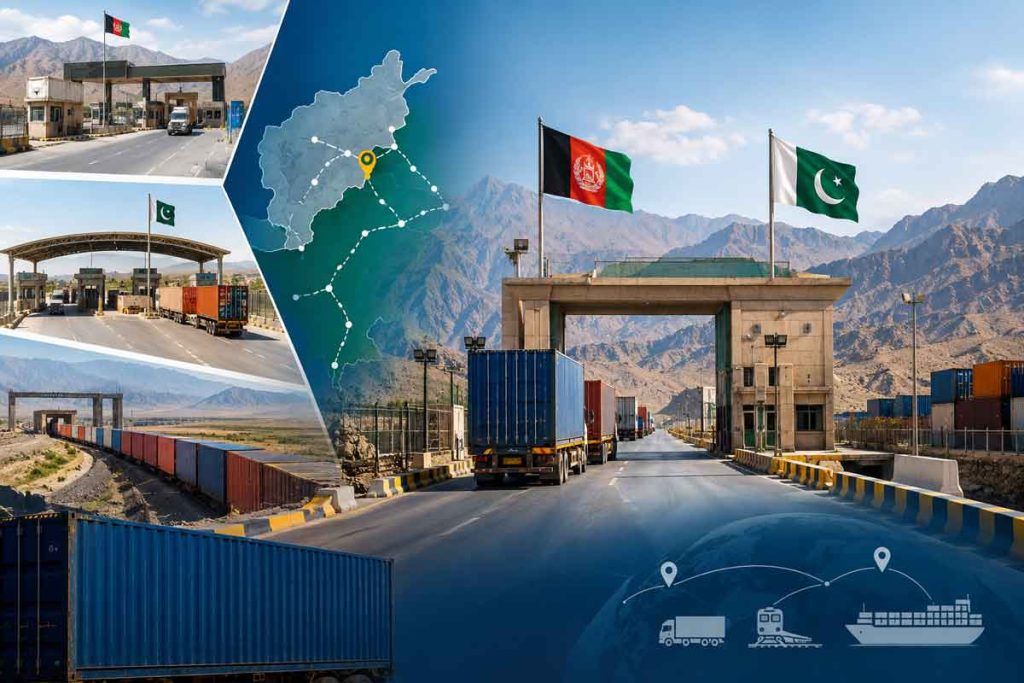
- Route monitoring: Tracking the shipment and managing transit time based on road and border conditions
- Unloading and final delivery: Safe unloading at the destination with quantity and quality confirmation
The Role of Storage Terminals in Diesel Fuel Transportation
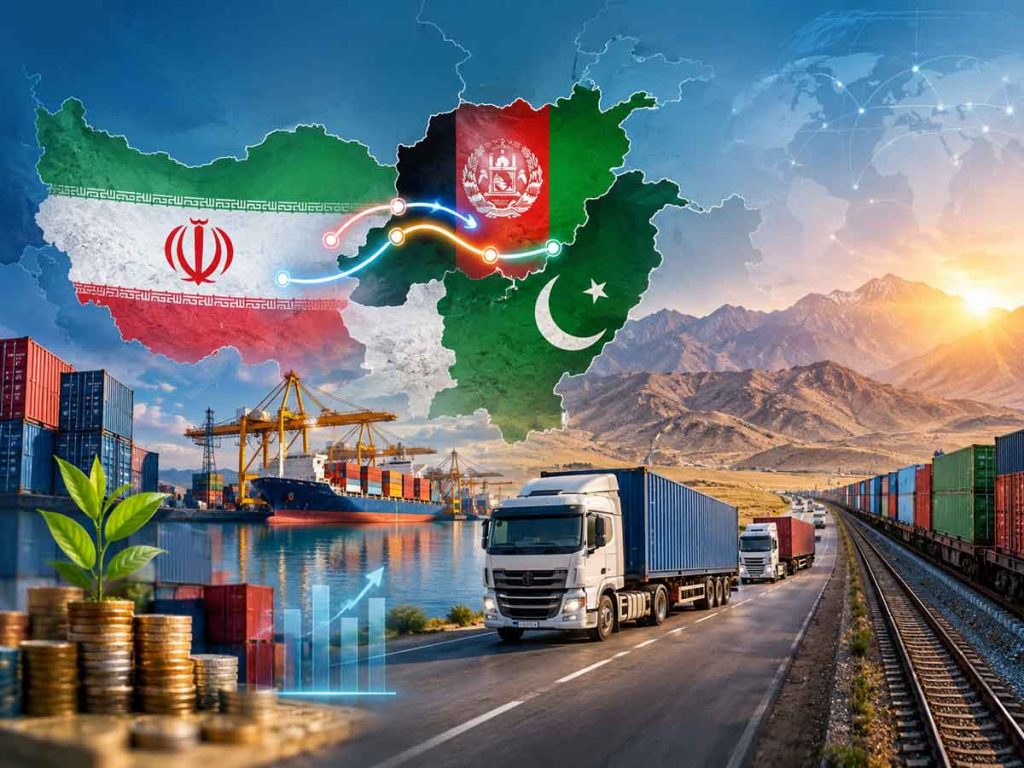
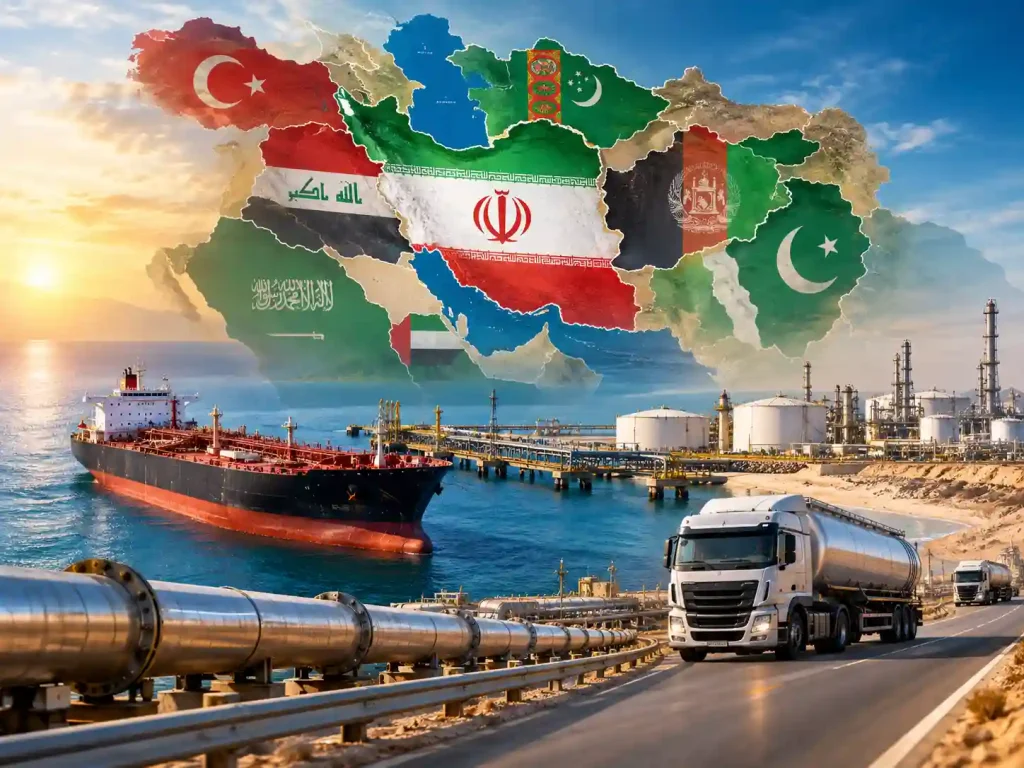
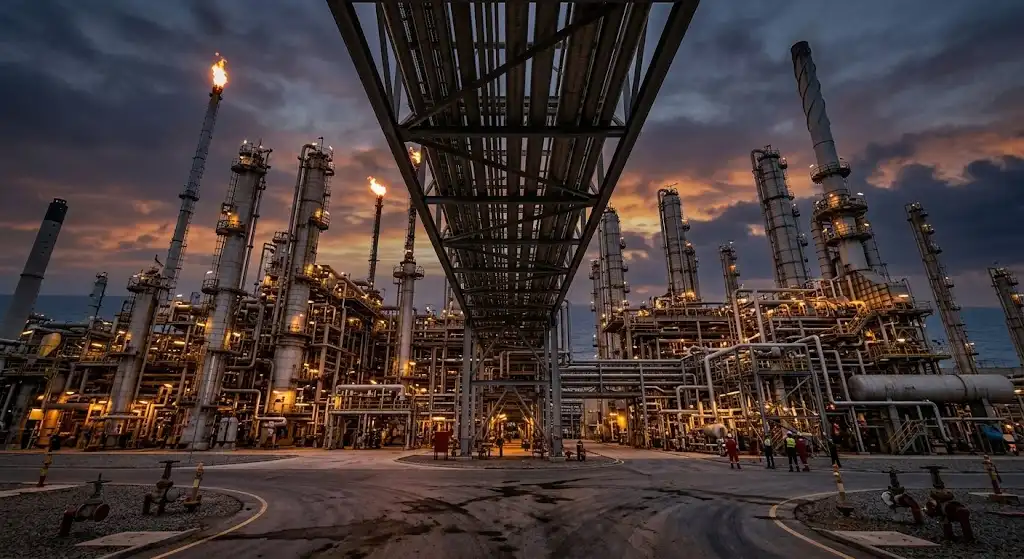
Given diesel’s high consumption and transit volume, storage terminals with adequate capacity near major routes play a critical role in balancing the supply chain. Terminals located in special economic zones such as Sarakhs and Mahirood allow for temporary storage, quality control, and precise scheduling for both domestic destinations and transit markets, including Afghanistan & Pakistan Logistics. This becomes especially important during periods of rising demand or temporary border restrictions.
Common Challenges in Diesel Fuel Transportation and How to Solve Them
| Challenge | Operational Solution |
|---|---|
| Seasonal demand spikes | Planning storage capacity and backup fleet in advance |
| Border and customs delays | Advance coordination with border authorities and complete documentation |
| Leak or quality risk | Regular fleet inspection and quality control at the loading point |
| Rising route fuel costs | Route optimization and reduced stopover time |
Diesel Fuel Transportation Within the Broader Oil & Gas Logistics Chain
Diesel does not move through the supply chain in isolation. It is part of the same broader system that defines Oil & Gas Logistics — standardized fleets, dedicated storage infrastructure, and coordinated route planning. Read more about how this system works as a whole in Oil & Gas Logistics: The Backbone of the Energy Supply Chain.
Diesel Alongside Other Petroleum Products
While diesel accounts for the largest share of volume in many markets, a resilient logistics operation cannot depend on a single product. Petroleum Products Transportation — covering gasoline, kerosene, and LPG alongside diesel — allows companies to diversify demand exposure and respond more flexibly to shifts in the market.
International Standards Relevant to Diesel Fuel Transportation
Diesel Fuel Transportation, particularly across international routes, generally needs to align with frameworks similar to ADR (the European Agreement concerning the International Carriage of Dangerous Goods by Road). This includes correct cargo labeling, complete safety documentation, and periodic risk assessment of active routes — the same principles that apply more broadly to International Transportation of fuel. Global energy demand trends can be tracked through the International Energy Agency (IEA).
Conclusion
Given its high volume and wide-ranging use, Diesel Fuel Transportation requires infrastructure capable of both sustaining supply chain stability and absorbing market fluctuations with flexibility. The combination of a standardized fleet, strategically located storage terminals, and an experienced operational team is the key factor behind success in this segment of fuel logistics.
Khazraei Logistics, with its specialized tanker fleet and storage terminals at Sarakhs and Mahirood, provides Diesel Fuel Transportation services for both domestic use and transit routes.