

Currency fluctuation in fuel transport is a financial risk that gets far less attention than operational risks like border delays or fleet technical issues — yet it can affect the profitability of an international transport contract just as much. When a fuel shipment is in transit for days or weeks, an exchange rate shift during that window can wipe out a logistics company’s entire profit margin. This article examines how currency fluctuation affects fuel transport costs and what solutions exist for managing this risk.
Why Currency Fluctuation Is a Serious Risk in Fuel Transport
- The gap between contract signing and final settlement: A transport contract’s price is usually set on the day the deal is signed, but final settlement may not happen until weeks later
- Exchange-rate dependency in operating costs: Part of a fleet’s fuel costs, spare parts, and certain international permits are directly or indirectly tied to foreign currency
- Price competitiveness in export markets: In international transportation contracts, currency fluctuation can suddenly make a company more or less expensive relative to regional competitors
Routes Most Exposed to Currency Risk
International Transportation Settled in Foreign Currency
International Transportation contracts settled in dollars or euros are directly exposed to exchange-rate fluctuation. A shift of just a few percentage points can translate into a significant difference in final profit or loss on large shipments.
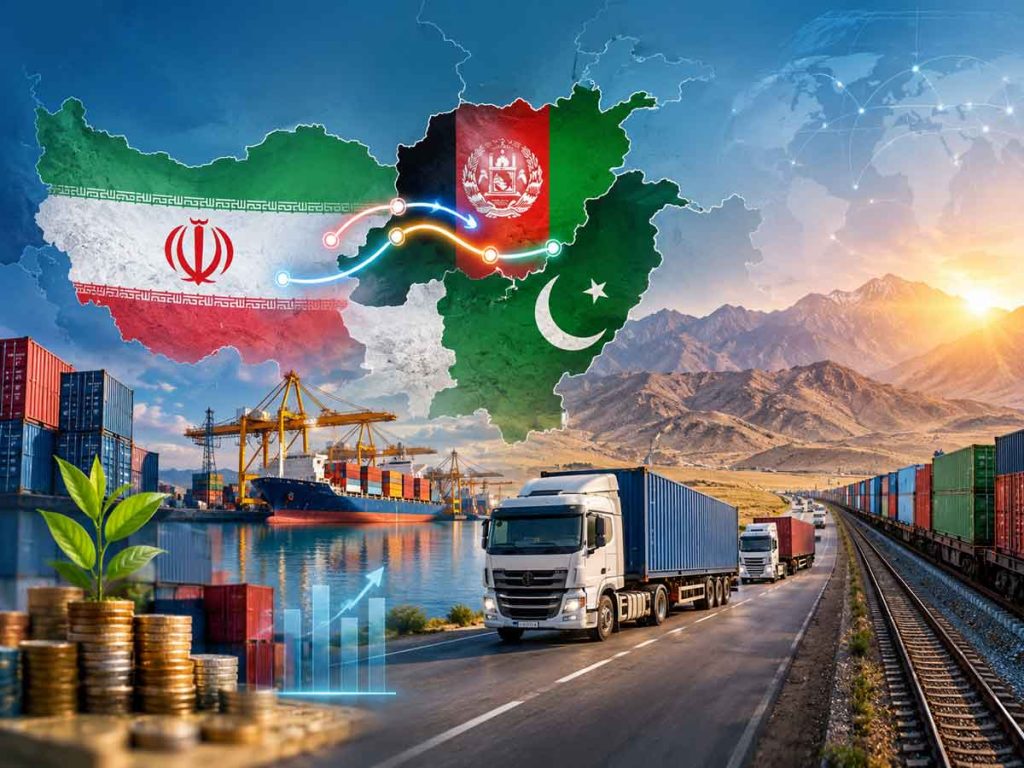
Regional Routes Like Afghanistan and Pakistan
On routes such as Afghanistan & Pakistan Logistics, differing currencies between origin and destination countries mean currency risk can hit a contract from two or even three directions at once — the rial, the destination country’s currency, and the dollar as an international reference currency.
How Currency Fluctuation Affects Different Cost Components
- Fleet fuel costs: Part of the price of fuel consumed by the fleet is indirectly tied to global exchange rates
- Spare parts and maintenance costs: Many specialized tanker parts are imported and directly affected by exchange rates
- International cargo insurance costs: International insurance policies are typically issued in foreign currency
- Tariffs and transit permit costs: Some of these costs in transit countries are charged in local currency or dollars
Strategies for Managing Currency Risk in Fuel Transport
1. Contracts with Exchange-Rate Adjustment Clauses
Including a price-adjustment clause tied to exchange-rate movement allows both parties to fairly rebalance the final price if rates shift sharply.
2. Forward Contracts to Lock In Rates
For large, long-term contracts, some companies use financial instruments such as forward currency contracts to fix the exchange rate in advance.
3. Diversifying the Contract Portfolio
Holding a mix of local-currency and foreign-currency contracts, rather than concentrating entirely in one currency, reduces overall risk.
4. Tighter Shipment Scheduling
The shorter the gap between signing a contract and final settlement, the lower the currency risk. This means precise route planning and reducing unnecessary stopover time function as both an operational advantage and a financial hedge.
Currency Risk and Shipment Volume: The Diesel Fuel Transportation Example
In high-volume shipments such as Diesel Fuel Transportation, even a small currency shift can translate into a significant amount once multiplied across the transaction’s large volume. Companies operating in this space tend to pay closer attention to currency risk management as a result. Learn more about this type of shipment in Diesel Fuel Transportation: From Route Planning to Safe Delivery.
How Stable Infrastructure Reduces the Impact of Currency Fluctuation
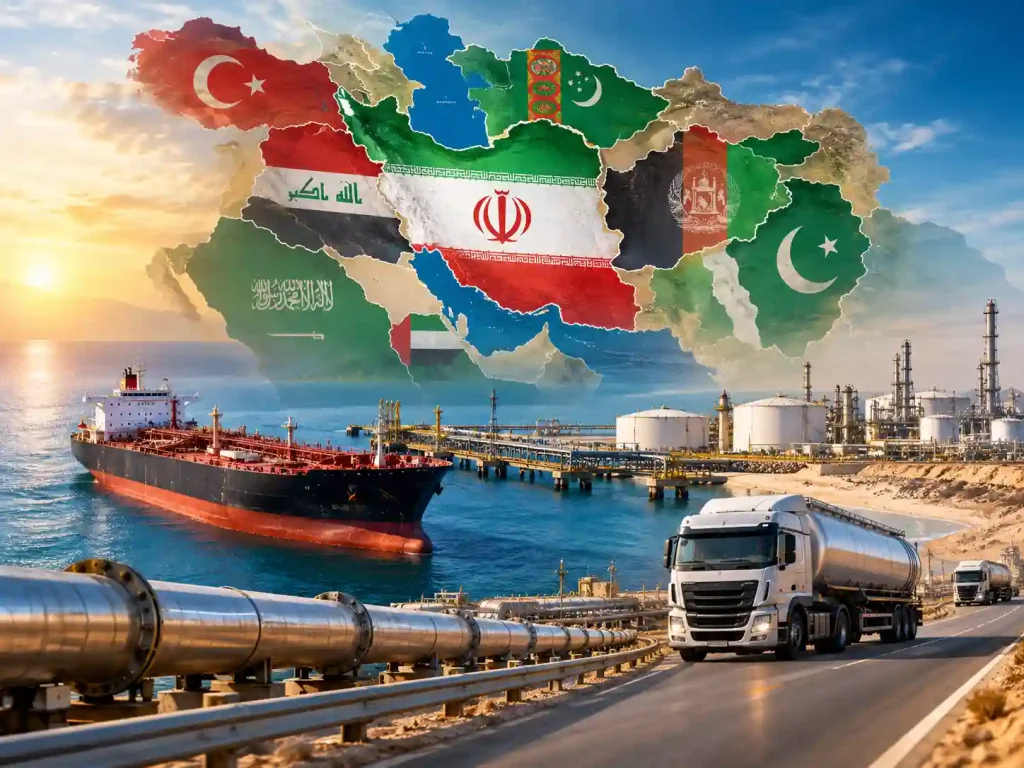
Strong Oil & Gas Logistics infrastructure — including a modern fleet that needs fewer imported parts, and storage terminals that allow better scheduling — can indirectly reduce the impact of currency fluctuation. Read the full picture in Oil & Gas Logistics: The Backbone of the Energy Supply Chain.
Conclusion
Currency fluctuation in fuel transport is a risk that often gets overshadowed by more visible operational risks like border delays or technical issues, yet it can have a substantial financial impact on international transport contracts. Companies that manage this risk through smart contract clauses, appropriate financial instruments, and precise scheduling can achieve greater financial stability in their export and regional operations.
Khazraei Logistics, through precise route planning and flexible contract structures, minimizes the impact of currency fluctuation on fuel transport costs for its customers.