

Environmental requirements for fuel transport have become one of the energy industry’s most pressing concerns over the past decade. Transporting and storing petroleum products without meeting environmental standards can lead to soil, water, and air contamination — damage whose cleanup cost is typically many times higher than the cost of meeting these requirements from the outset. This article covers the key dimensions of environmental requirements for fuel transport and the operational solutions used to meet them.
Why Environmental Requirements for Fuel Transport Keep Growing in Importance
- Increasing regulatory scrutiny: Environmental regulations in many countries, including Iran, have tightened significantly in recent years
- High cost of remediation: Cleaning up a fuel leak in soil or water can cost far more than the investment required to prevent it
- Impact on brand reputation: An environmental incident can seriously damage long-term trust with customers and business partners
- Growing demand for sustainable supply chains: International customers, particularly in export contracts, increasingly expect environmental compliance
Key Environmental Risks in Petroleum Products Transportation
Leaks During Transport and Loading
The greatest environmental risk in Petroleum Products Transportation comes from leaks during loading, unloading, or transit. Even small, recurring leaks can cause significant contamination around terminal sites over time.
Soil Contamination at Storage Terminals
Terminals lacking standardized flooring or leak-collection systems are exposed to product seeping into soil and groundwater.
Volatile Organic Compound (VOC) Emissions
Loading and unloading lighter products such as gasoline releases volatile vapors, which count as both an air pollutant and a fire safety risk.
Contamination from Road Accidents
A tanker collision or rollover can release a significant volume of product into the surrounding environment within minutes.
Operational Solutions for Meeting Environmental Requirements
1. Leak Detection and Monitoring Systems
Installing leak-detection sensors on tanks and tankers allows any leak to be identified quickly, before it escalates into a major incident.
2. Secondary Containment at Terminals
Standard terminals must be equipped with impermeable flooring and secondary containment basins so that, in the event of a leak, product does not reach the soil.
3. Vapor Recovery Systems
These systems capture volatile vapors released during the loading of lighter products, rather than allowing them to escape directly into the air.
4. Operational Team Training for Rapid Leak Response
A defined, practiced protocol for initial leak response — including quick access to absorption kits — can significantly limit the extent of environmental damage.
5. Periodic Fleet Equipment Inspection
A large share of leaks originate from the gradual wear of fittings and valves, which is preventable through regular inspection.
Environmental Requirements on International Transportation Routes
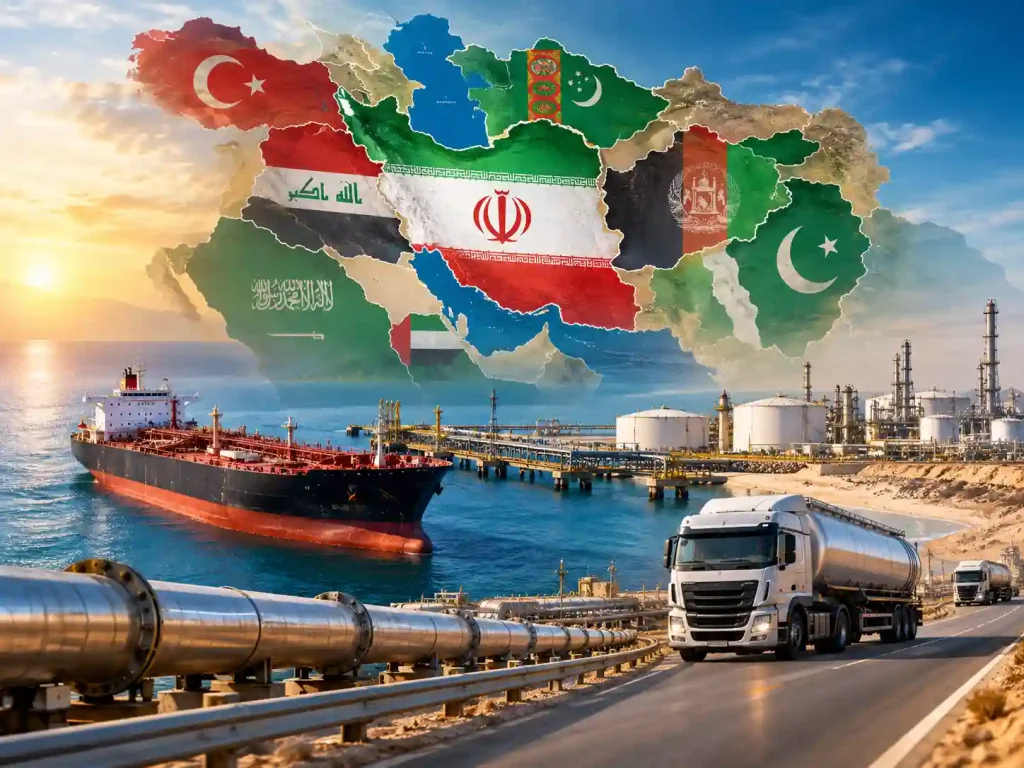
When it comes to International Transportation of fuel, environmental requirements become more complex, since the origin, transit, and destination countries may each have different standards. Companies operating on cross-border routes must be aware of the environmental requirements of transit countries in addition to domestic standards, and prepare the corresponding documentation.
Special Requirements for Diesel Fuel Transportation
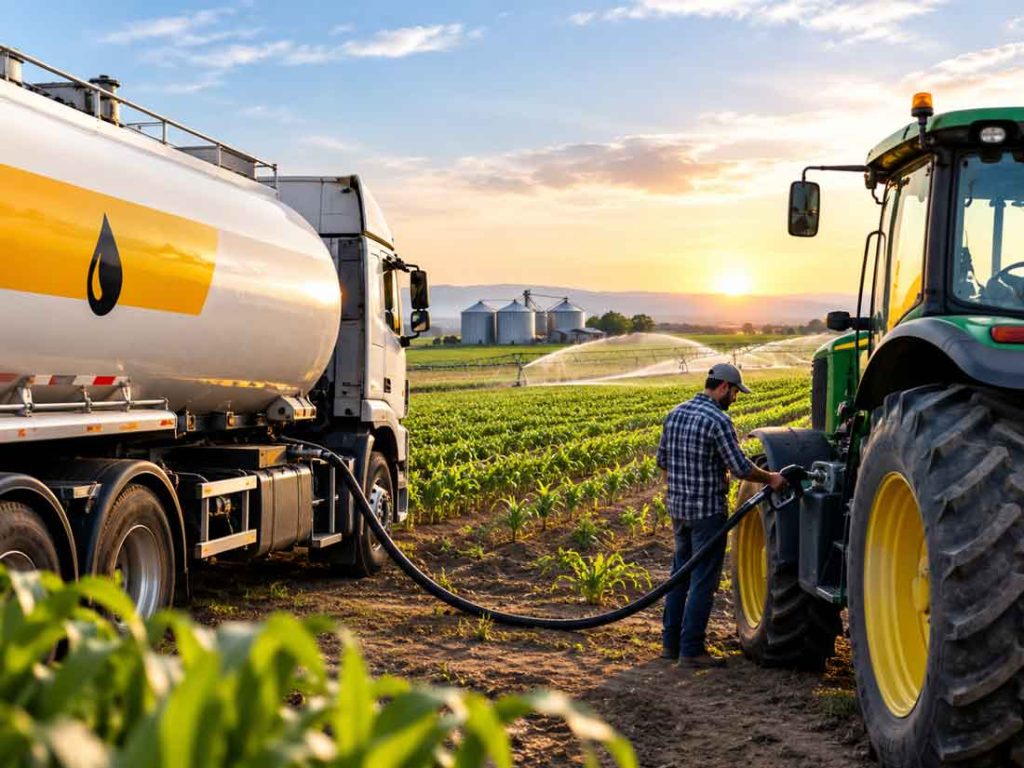
Given the high volume typical of Diesel Fuel Transportation compared to many other products, meeting environmental requirements carries added weight here — even a small leak in a large shipment can cause more extensive damage than a leak in a smaller one. Precise control of tank fill levels and frequent inspection of fittings are two of the most effective preventive measures in this area.
Relevant International Standards
Many environmental requirements for fuel transport, alongside safety regulations such as ADR, align with international environmental standards such as ISO 14001 (Environmental Management). Meeting these standards reduces legal risk and increases trust among international business partners. For more on global dangerous goods transport frameworks, see the UNECE Dangerous Goods portal.
How Environmental Compliance Fits Into the Broader Oil & Gas Logistics System
Meeting environmental requirements is an inseparable part of a standardized Oil & Gas Logistics infrastructure. Modern storage terminals, an up-to-date fleet, and a trained operational team all play a complementary role in reducing environmental risk. Read the full picture in Oil & Gas Logistics: The Backbone of the Energy Supply Chain.
Conclusion
Environmental requirements for fuel transport are no longer a peripheral legal obligation — they are a core part of risk management and long-term sustainability for any energy company. Companies that invest in leak-control equipment, terminal infrastructure, and operational team training not only reduce legal and financial risk but also strengthen long-term trust with their customers and business partners.
Khazraei Logistics, in full compliance with environmental and HSE standards, manages its storage terminals and fleet to the highest level of environmental requirements for fuel transport.