

Agriculture is one of the largest consumers of diesel in any economy — from tractors and combine harvesters to irrigation pumps and harvesting equipment. Agricultural diesel transport is a specialized branch of fuel logistics that faces unique challenges due to seasonal demand spikes and the wide geographic spread of farmland. This article examines why this field matters and what’s required to reliably supply fuel to the agricultural sector.
Why Agricultural Diesel Transport Is a Specialized Field
- Sharply seasonal demand: Diesel needs during planting and harvest seasons can be several times higher than other periods
- Geographically scattered destinations: Unlike industries concentrated in one location, farms are spread across scattered, sometimes remote areas
- Time-critical delivery: A delay in delivering fuel during harvest can directly translate into crop losses
- High consumption volume during peak periods: Requires sufficient storage capacity and fleet size to respond quickly
The Seasonal Pattern of Agricultural Diesel Demand
Planting Season
At the start of the growing season, diesel demand rises sharply for plowing, land preparation, and planting.
Irrigation Season
In areas where irrigation relies on diesel pumps, fuel consumption stays consistently high throughout the growing season.
Harvest Season
Peak demand typically occurs during harvest, when combine harvesters and transport vehicles operate simultaneously and intensively.
Challenges in Delivering Diesel to Agricultural Areas
- Limited road access: Many farms are located far from main roads, requiring a more flexible fleet
- Compressed scheduling during peak season: A large number of farms need fuel at the same time
- Need for local storage tanks: In some areas, temporary storage near farms is a better solution than frequent trips
- Domestic fuel price volatility: Directly affects agricultural production costs
Solutions for Reliable Diesel Supply to Agriculture
1. Pre-Season Planning
Coordinating with agricultural cooperatives and large-scale farmers before the planting or harvest season begins allows for more accurate forecasting of required volumes.
2. Flexible Fleet for Low-Access Areas
Using smaller, more agile tankers for rural routes, alongside the main fleet for high-volume transport.
3. Establishing Temporary Regional Storage Points
Small terminals or temporary tanks near high-density agricultural areas significantly reduce response time during peak season.
4. Aligning with the Regional Agricultural Calendar
Each agricultural region has its own planting and harvest calendar; understanding this calendar precisely is the foundation of effective diesel transport planning.
The Real Scale of Demand: An Official Figure
According to Iran’s Ministry of Agriculture Jihad, more than 2.7 billion liters of fuel have been allocated to the agricultural sector for the current farming year to keep agricultural machinery running without interruption (source: Etemad Online). This figure shows clearly that agricultural diesel transport is far from a small, local need — it is a critical part of the national fuel supply chain.
How Agricultural Diesel Transport Connects to Broader Oil & Gas Logistics
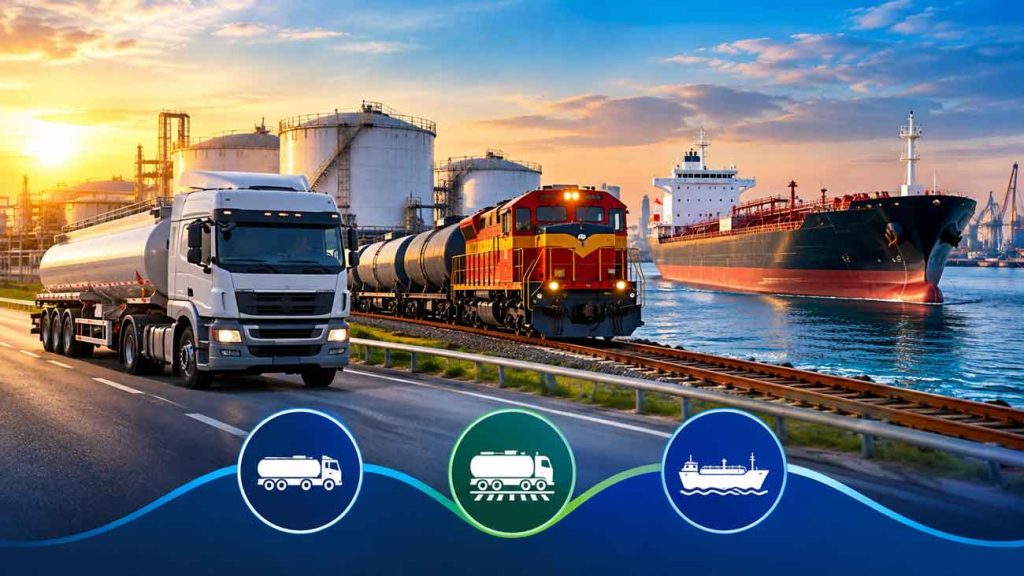
Agricultural diesel transport cannot function reliably without strong Oil & Gas Logistics infrastructure at the macro level — storage terminals, a diverse fleet, and route planning. Read the full picture in Oil & Gas Logistics: The Backbone of the Energy Supply Chain.
How This Differs from Other Petroleum Products Transportation Segments
Unlike industrial transport, which usually moves to fixed locations on a predictable schedule, Petroleum Products Transportation for agriculture requires greater flexibility in both route and timing. This difference shapes fleet design and planning differently from the industrial segment for logistics companies operating in this space.
The Growing Importance of This Field for Agricultural Exports
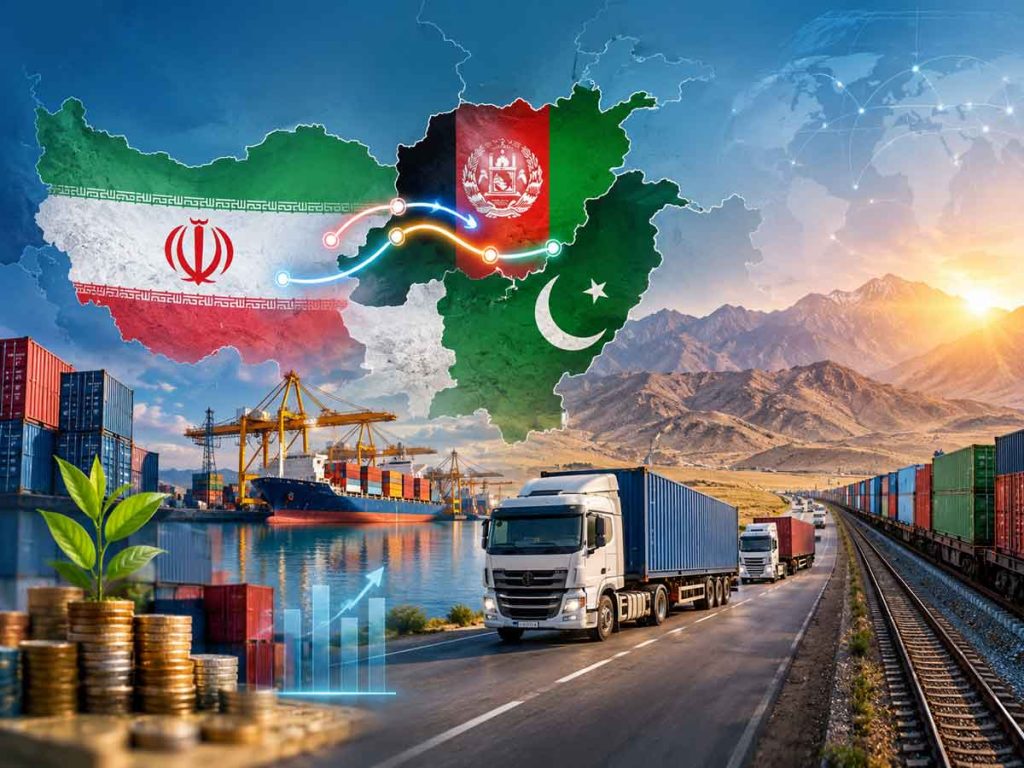
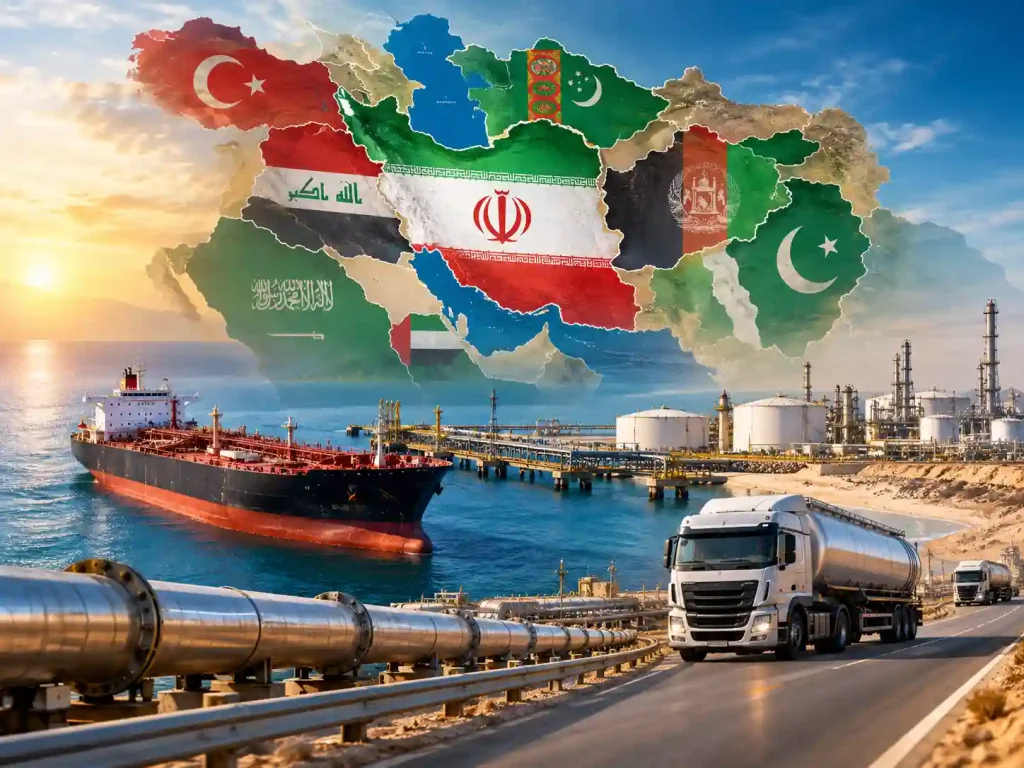
As Iran’s agricultural exports to regional markets grow, timely fuel supply to the agricultural sector indirectly affects the country’s export capacity too. This connection turns agricultural diesel transport from a purely domestic matter into part of the broader International Transportation chain for food and agricultural products.
Conclusion
Although less visible than industrial or export-focused fuel transport, agricultural diesel transport plays a vital role in food security and the agricultural economy. Companies that meet this need through pre-season planning, a flexible fleet, and regional storage not only support farmers but also secure their position in a stable, growing market.
Khazraei Logistics, with a diverse fleet and precise seasonal planning, delivers agricultural diesel supply with the highest level of reliability.