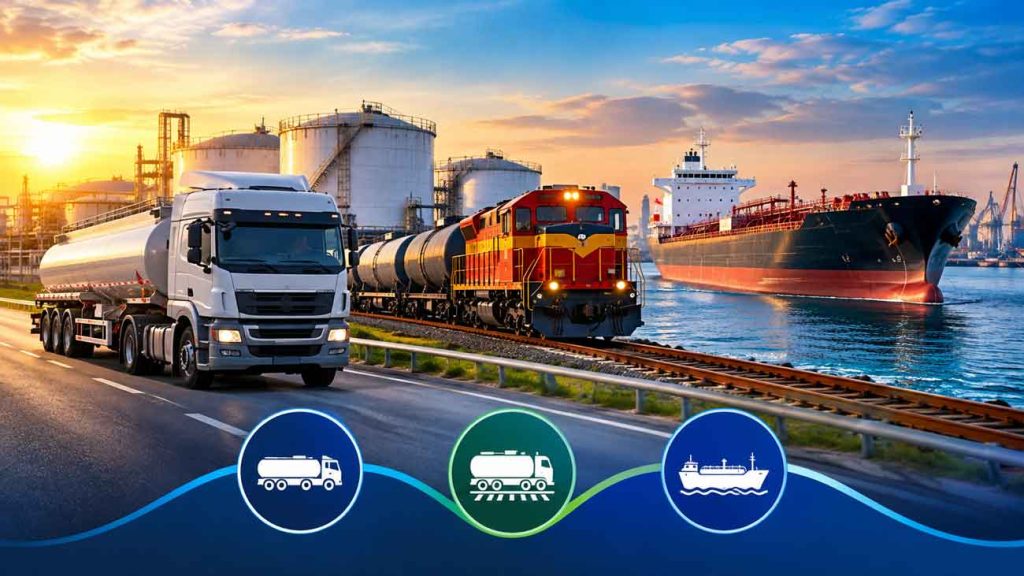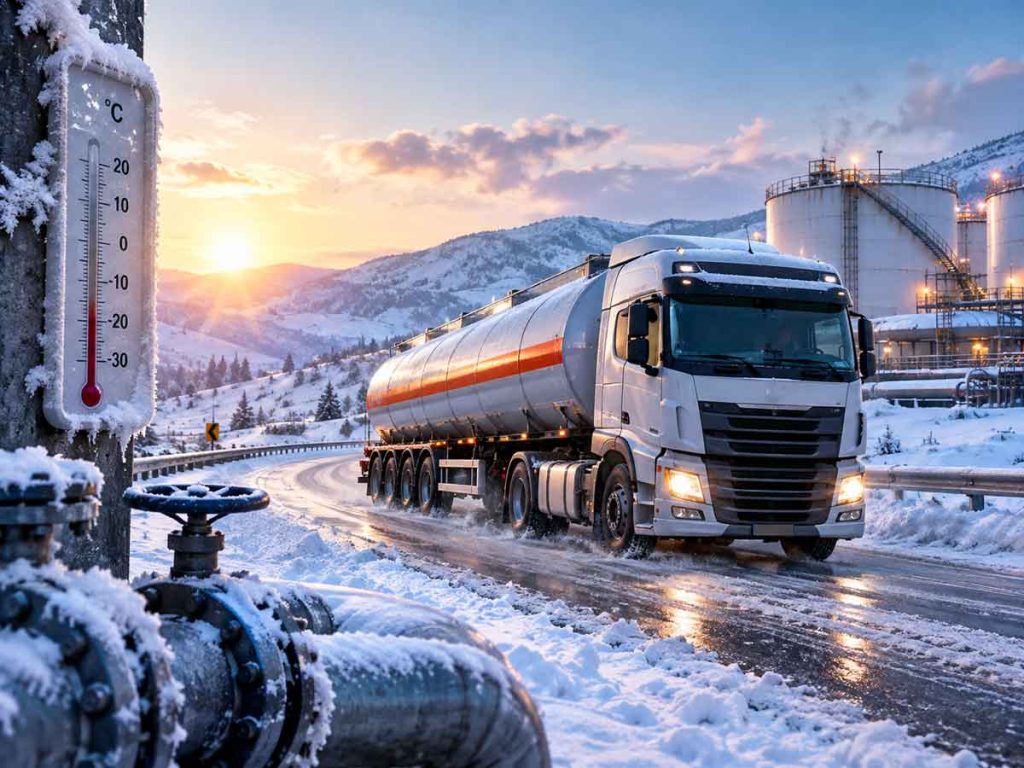


International Transportation of petroleum products is one of the most complex branches of global trade. Unlike general cargo, which can usually move through several alternative routes, fuel shipments require far more precise planning due to safety sensitivities, strict customs requirements, and limited border infrastructure. In this article, we examine the key dimensions of International Transportation in the energy sector and the practical solutions used to manage it.
Why Is International Transportation of Fuel More Complex Than Other Goods?
- Regulatory diversity across countries: Every destination or transit country has different rules for the entry, transit, and unloading of petroleum products.
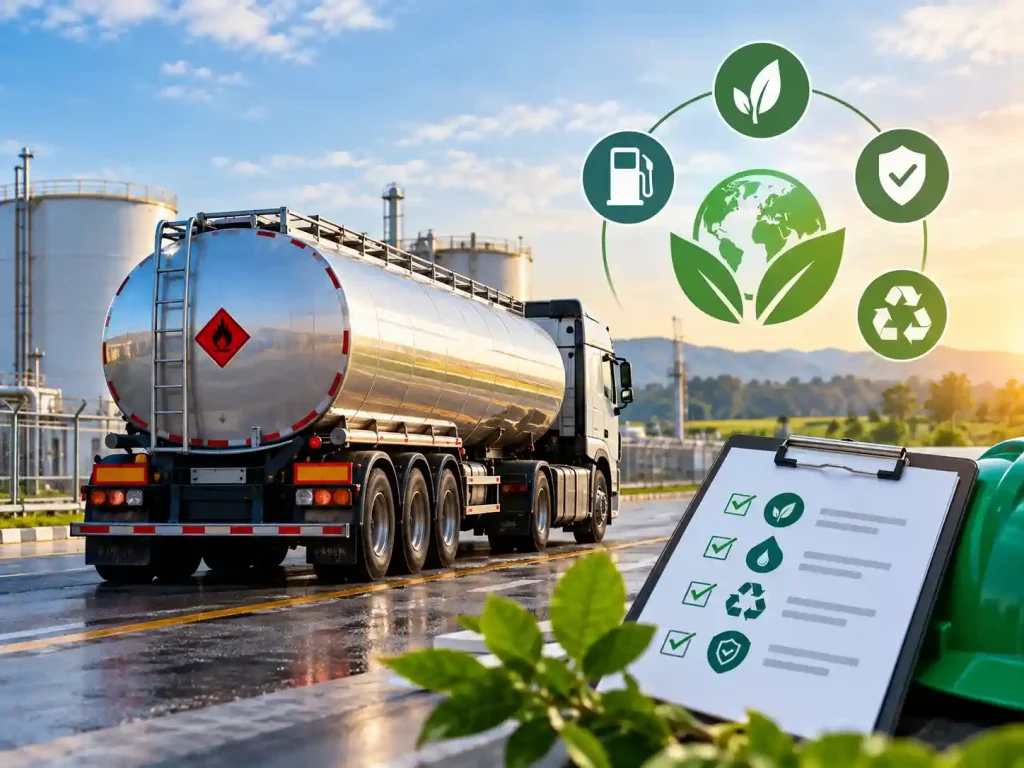
- Safety requirements for flammable materials: Fleets, drivers, and routes must comply with international standards for hazardous materials transport.
- Dependence on border infrastructure: The capacity of border terminals and the speed of customs procedures directly affect delivery times.
- Price and exchange-rate volatility: Delays in transport increase the financial risk caused by fluctuations in global fuel prices.
International Transportation sits at the core of a much broader discipline. For a deeper look at that discipline, see our article on Oil & Gas Logistics: The Backbone of the Energy Supply Chain.
Key Routes for International Transportation of Fuel from Iran
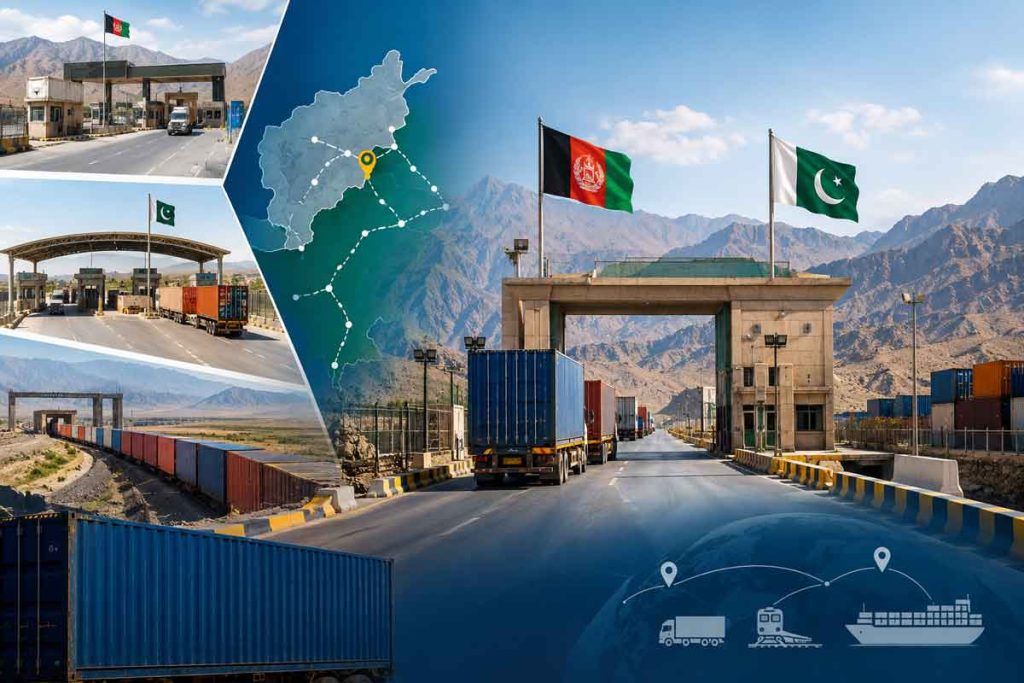
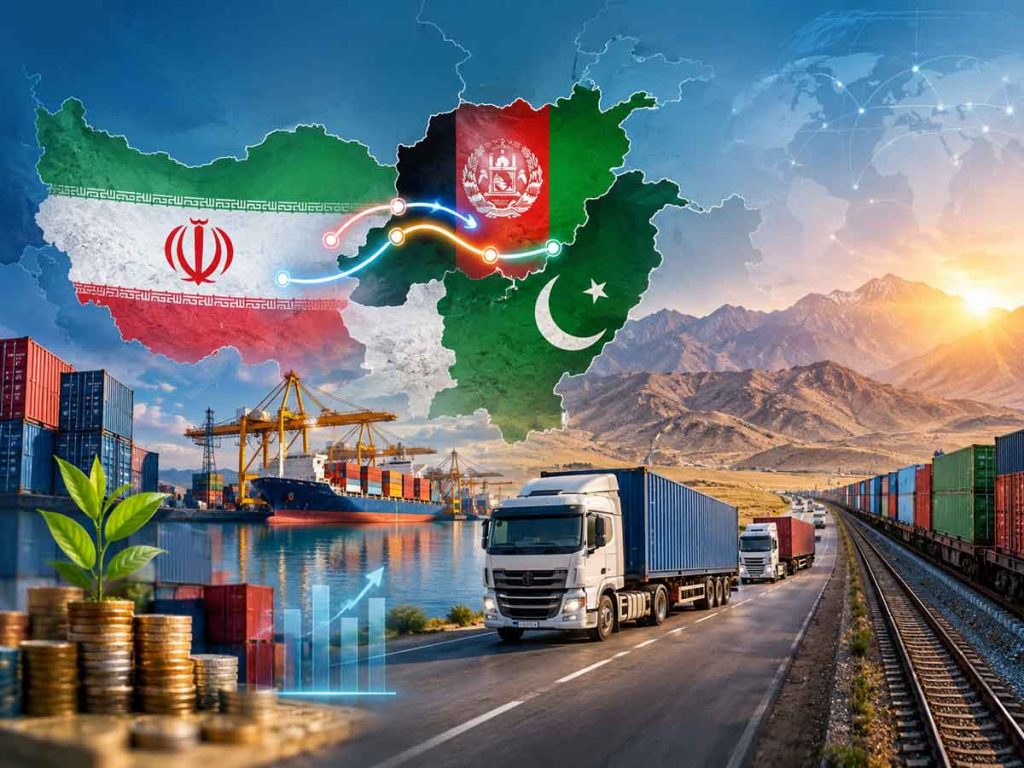
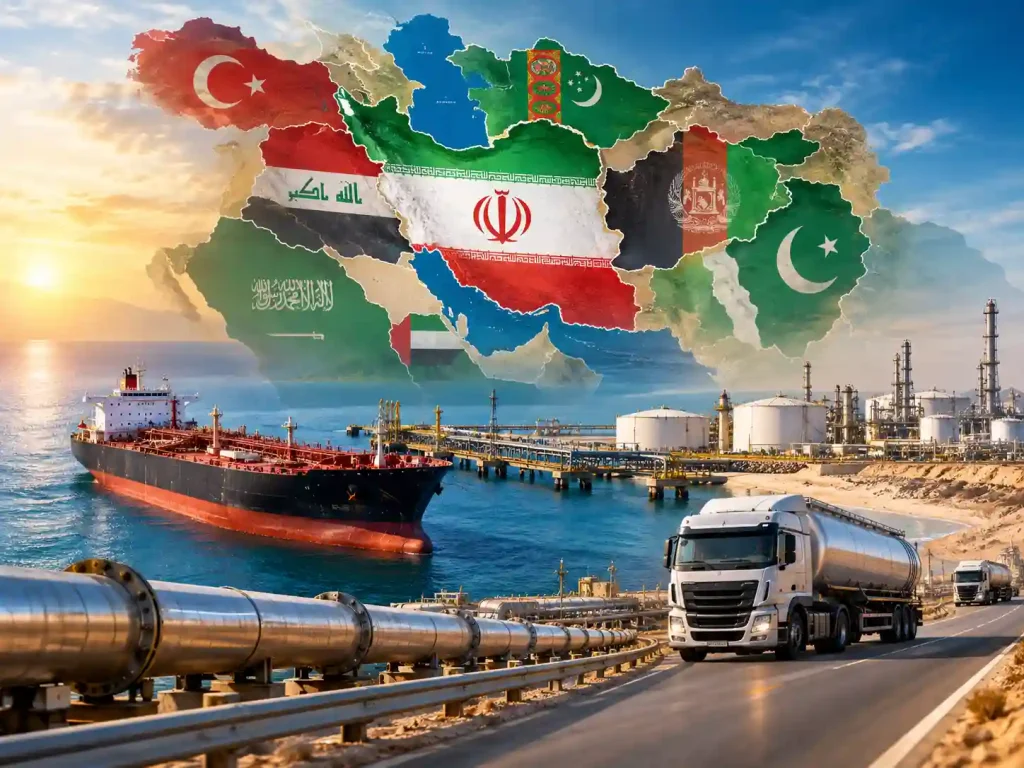
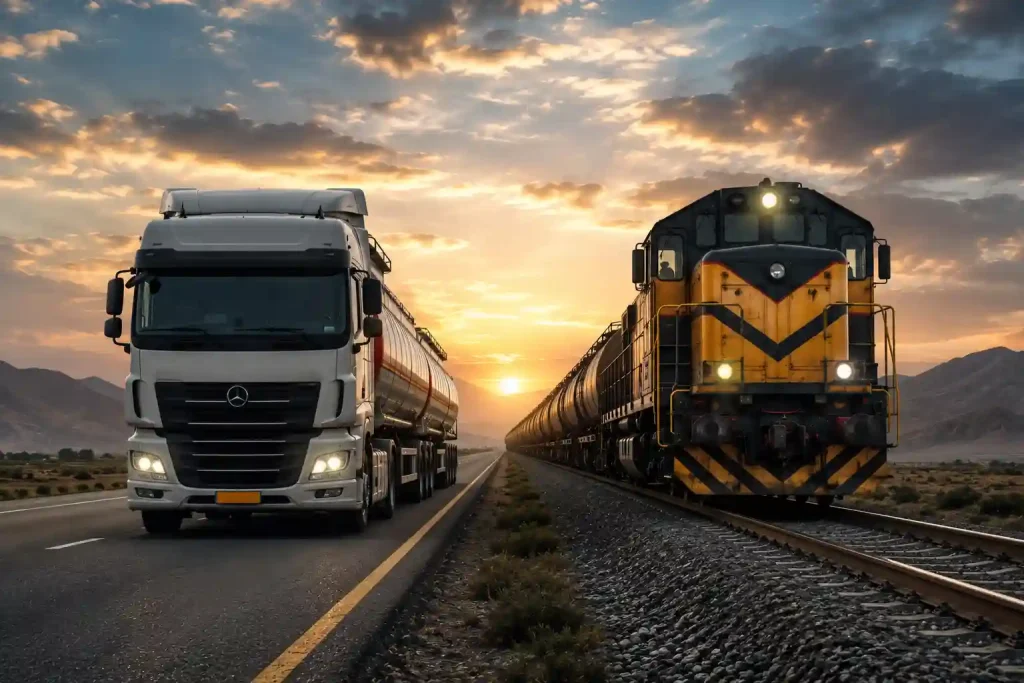
Iran’s geopolitical position has made it one of the primary options for energy transit between regional producers and consumer markets. The country’s eastern land routes, particularly the border crossings connected to Central Asia, Afghanistan, and Pakistan, provide access to markets that would otherwise require costlier and slower sea or air routes. For a full review of this corridor, see Afghanistan & Pakistan Logistics.
Companies active in International Transportation along these routes typically succeed by combining three elements:
- A dedicated, standardized fleet for transporting sensitive products
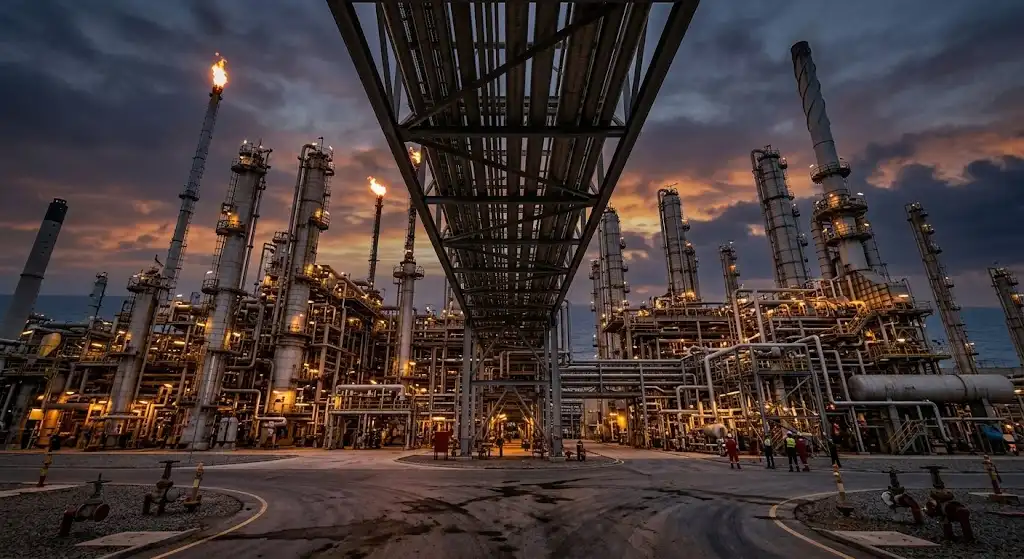
- Storage terminals near the border to manage scheduling
- An operational team well-versed in the customs and transit procedures of destination countries
Operational Stages of a Shipment in International Transportation
- Planning and route selection: Assessing border, seasonal, and security conditions along the route
- Documentation preparation: Shipping documents, certificates of origin, transit permits, and cargo insurance
- Loading and safety inspection: Quality and safety checks before departure
- Route monitoring: Real-time tracking to manage the risk of delay or incident
- Customs clearance and delivery: Coordination with destination customs and final delivery to the recipient
For example, Diesel Fuel Transportation — one of the highest-volume shipments handled under International Transportation — has its own specific requirements, detailed in our article Diesel Fuel Transportation: From Route Planning to Safe Delivery.
The Role of Risk Management in International Transportation
Delays at border crossings are not merely a financial risk; they can also lead to lost business opportunities and damage long-term relationships with foreign partners. For this reason, successful companies in International Transportation have built real-time monitoring systems and direct communication channels with customs and border authorities into their processes, allowing them to respond quickly when issues arise. Global standards for hazardous goods transport can be tracked through international bodies such as the International Energy Agency (IEA).
Beyond Diesel: International Transportation of All Petroleum Products
While diesel represents the largest share of volume, International Transportation also covers a wider range of goods. Petroleum Products Transportation — including gasoline, kerosene, and LPG — follows the same core principles of route planning, documentation, and border coordination, though each product carries its own handling requirements.
Conclusion
Successful International Transportation in the energy sector is the result of combining infrastructure, operational experience, and risk management. Companies that bring these three elements together with a standardized fleet and border storage terminals can guarantee reliable, on-time delivery for their international customers.
Khazraei Logistics, relying on its specialized fleet and the Sarakhs and Mahirood border terminals, provides International Transportation services for petroleum products along regional routes.